

Come see us at the Southwest Ag Summit at Arizona Western College in Yuma, Arizona, on February 25–26. Ray Speakman and Nathan Smith will be there in Booth 52 to answer all of your Huma Gro questions. For more information, go to www.swagsummit.com.

Related Posts

Control Pests and Improve Soil Health with PROUD 4 + ZAP
Learn how PROUD 4 and ZAP work together to control soil pests, suppress diseases and nematodes, and rebuild a healthy, biologically active soil. Discover why this carbon-based program helps protect crops while improving long-term soil health.
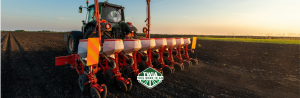
The Spring Rush: What Farmers Are Up Against
The Spring Rush: What Farmers Are Up Against “Farmers are always thinking about our products.” I’ll never forget those words, uttered by an old client of mine. She worked for a large life sciences company. We were launching a pre-emergence corn herbicide, to a market saturated with them. I thought she was joking. She wasn’t. I told her that in the hierarchy of thoughts occupying a farmer’s mind, pre-emergent herbicides barely registered. Adding that we had already spent more time thinking about them during our meeting than most farmers do all year. To be fair, she isn’t the only one to share this flawed view. Few occupations require more versatility, or have more irons in the fire, than farming. That’s why I’ve long advocated that anyone marketing to farmers considers not just the product they are selling, and what challenge or opportunity it may address, but what impact it will have on their entire operation – from soil to software, labor to logistics. Because that’s how farmers think. As the calendar turns to April, we’re entering the busiest – and most critical time – of the year.

The Busiest Slow Month in Agriculture
February may look frozen on the surface, but agriculture is anything but idle. From Federal Crop Insurance price setting and tax deadlines to almond blooms in California, spring calving, equipment maintenance and trade show season, this “slow” month is packed with decisions that shape the entire year ahead.



