
Huma Agriculture Products
Our dry humate biostimulant products accelerate microbial activity to greatly improve soil health and fertility, build organic matter, fast-track regenerative agriculture systems and reduce crop input costs, while reducing dependency on synthetic fertilizers and chemicals. We further process Huma humates to create our proprietary Micro Carbon Technology (MCT). MCT super charges our innovative carbon-rich liquid products to naturally increase nutrient availability and uptake, improve soil and plant health, and offer zero-residue crop protection against pests and diseases. MCT delivers fast-acting results and greater uptake in the foliage and soil at much lower rates.
Product Categories
Renew, rebuild & maintain your soil
Maximize fertilizer potential and increase soil organic matter
Improve Flowering, Fruit Set, Sizing, and Maturity
Maximize Nutrient Availability & Efficiency
Promotes Strong, Steady Growth and Higher Yields
Powerful Organic Pesticides, Fungicides, and Nematicides
Carefully Crafted Line of Organic Products
Case Studies
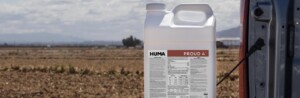
PROUD 4 Demonstrates Broad-Spectrum Control of Plant Diseases
[fusion_builder_container type="flex" hundred_percent="no" hundred_percent_height="no" min_height_medium="" min_height_small="" min_height="" hundred_percent_height_scroll="no" align_content="stretch" flex_align_items="flex-start" flex_justify_content="flex-start" flex_wrap_medium="" flex_wrap_small="" flex_wrap="wrap" flex_column_spacing="" hundred_percent_height_center_content="yes" equal_height_columns="no" container_tag="div" menu_anchor="" hide_on_mobile="small-visibility,medium-visibility,large-visibility" status="published" publish_date="" class="" id="" html_attributes="" spacing_medium="" margin_top_medium="" margin_bottom_medium="" spacing_small="" margin_top_small="" margin_bottom_small="" margin_top="" margin_bottom="" padding_dimensions_medium="" padding_top_medium="" padding_right_medium="" padding_bottom_medium="" padding_left_medium="" padding_dimensions_small="" padding_top_small="" padding_right_small="" padding_bottom_small="" padding_left_small="" padding_top="" padding_right="" padding_bottom="" padding_left="" link_hover_color="" link_color="" border_sizes="" border_sizes_top="" border_sizes_right="" border_sizes_bottom="" border_sizes_left="" border_color=""

Huma® X-Tend® Increases Glyphosate Effectiveness Against Resistant Weeds
Objective Over the years, some weeds have developed resistance to common herbicides such as glyphosate. To overcome this hurdle, some growers may bump up the rates or add other herbicides or products with different mechanisms/modes of action into the tank mix. Such approaches have had mixed results over the long run and have increased the
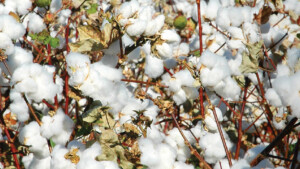
Super Potassium on Cotton
Background: Farmers who try to supply K2O needs on the farm don’t have too many options to get K into the plant, especially in deficient soils. A typical application is KCl which contains an excess amount of Chloride which may not be beneficial to the plant and soil microbes. Huma’s Micro Carbon Technology® based Super
Featured Blogs

Fall’s Favorite Flower
Mums are a signature sight of fall, filling porches, gardens and landscapes with vibrant blooms. But what makes these flowers thrive as the seasons change? Discover the science, history and growing habits behind fall’s favorite flower.

The Story Behind the Pink Tickets
For most people, fall means changing leaves and football. For me, it means pink scale tickets, old grain trucks and memories of growing up around harvest. It's a look back at family traditions, country grain elevators and the hardworking people who keep harvest moving.

What Does Bushels Per Acre Mean?
We talk about bushels per acre all the time during harvest, but what does that measurement actually mean? Here’s a quick look at where bushels came from, how they’re used and what those yield numbers really tell us.

Related Products

OM LIQUID HA 16
Huma's OM LIQUID HA 16 is OMRI-Listed® for organic farming and carbon-complexed with Micro Carbon Technology®.
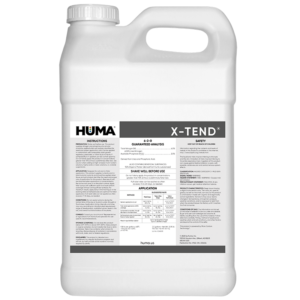
X-TEND
Huma's X-TEND® is an excellent source of Micro Carbon Technology®. It is formulated with organic acids and nutrients to improve...
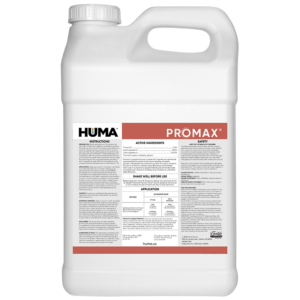
PROMAX
PROMAX® is an OMRI-Listed®, EPA-exempt crop protection product. It is a protective and curative pesticide recommended for control of plant...