
This Week In Ag #176
Who’d have thought a convenience like air conditioning would become such a geopolitical hot button?
Western Europe is experiencing its hottest summer on record, as temperatures consistently soared above 40 degrees C (aka over 100 degrees to us) throughout the continent. That’s caused a bit of a rift between the Old and New World. Politicians across the pond accused the US of causing their heat wave due to climate change from reliance on our a/c units, even as their own citizens visiting America for the World Cup basked in the amenity.
While many in ‘Merica either shake their heads or poke fun at the Euros aversion to modernized cooling systems – 90% of Americans have a/c, compared to only 20% of Europeans – the summer swelter is stressing more than just their comfort. It’s leading to widespread drought and severe crop stress across the continent.
Europe is expecting its smallest corn crop in 19 years. France, the largest corn producer in the EU, will see its lowest harvest in 50 years. Overall, total European grain output is projected to drop by over 9%. As is always the case in the business of farming, misfortune for some leads to opportunity for others.
Grain markets are on a steep rally. Within the past month, corn has soared 60 cents, while both wheat and soybeans hit two-year highs, surging $1.32 and $1.39 respectively. Conditions in Europe have driven the markets, so has tension in the Middle East, which are raising uncertainty in the supply chain and energy prices.
But conditions abroad aren’t all that’s turning bears into bulls.
While many crops may look good from the windshield, a closer look between the rows, and down in the soil, tells a different story. Recent crop reports reveal about one-third of corn and soybeans are rated poor to very poor. Half of Iowa is now in drought or abnormally dry. One year ago, just 5% of the Hawkeye State was experiencing some form of dryness. Current conditions are far worse in Nebraska, Minnesota and South Dakota (three massive grain-producing states), while much of the west is undergoing extreme drought.
Weather during the next few weeks will be critical. While much of the wheat crop is already in the bins, corn and soybeans have much at stake. About 60% of the US corn crop has reached silking, so the all-important reproduction stage is still underway in many fields and subsequent grain fill is very dependent on moisture. August is the critical time for soybeans, as plants need to optimize setting and holding more blooms and pods.
Now is when rain makes grain. And when grain makes markets.

Related Posts
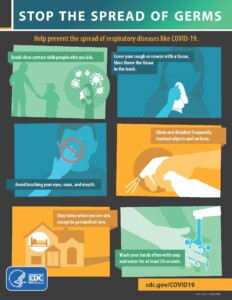
BHN Remains Open for Business
At this time, though we have reduced all nonessential staff travel/interaction and are not accepting visitors, Bio Huma Netics remains open for business and is processing all orders. In anticipation of the possibility that we may have to suspend production at some future time to protect the health of our staff, we encourage our customers
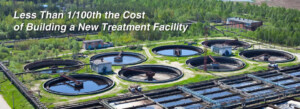
Reduce the Need for New Treatment Plants
Try our Probiotic Solutions® products before considering building a new treatment plant. Probiotic Solutions® products are used successfully in wastewater treatment systems to improve water quality and reduce operating costs.

BHN Approved to Import Fertilizers to Brazil
Bio Huma Netics, Inc., producer of Huma Gro® and Fertilgold® Organics liquid crop nutrition and protection products, has been granted an unlimited import license to bring fertilizers into Brazil for commercial sale.