
Bio Huma Netics, Inc.—the company that makes Huma Gro®, Huma Gro® Turf, and Probiotic Solutions® products—was founded under the name Sunburst Mining Company in 1973 by Dr. Jordan Smith, Don Organ, and Delworth Stout. These men discovered a unique oxidized humate that was rich in natural organic compounds and minerals in a mine in the northwestern United States. The founders developed a proprietary process to extract organic acids, valuable minerals, and other organic components from this material. This extract contains the base of Micro Carbon Technology® that is the foundational ingredient used in almost all of the more than 70 products produced by BHN.
This short video narrated by Lyndon Smith, current President/CEO of BHN and son of founder Jordan Smith, tracks the history of BHN from 1973 to the present.

Related Posts

BHN 2018 World Conference
The biannual Bio Huma Netics, Inc. (BHN), World Conference was held November 6–9, 2018, at the DoubleTree by Hilton Conference Center in Gilbert, Arizona. The BHN World Conference was attended by 72 Huma Gro®, Huma Gro® Turf, and Probiotic Solutions® product distributors and users representing 18 countries. Conference attendees were welcomed by BHN President and
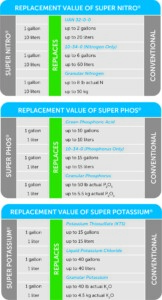
Huma Gro®: The World’s Most Efficient Delivery of Crop N-P-K Nutrients
Huma Gro® products with Micro Carbon Technology® offer an unsurpassed level of application efficiency, allowing farmers to grow more with less fertilizer input. Growing more with less lowers input costs and maximizes return on investment. It also decreases the amount of N-P-K residues that can negatively impact the environment.

Rye: A Popcorn Farmer’s Experience with Cover Crops
Nebraska farmer Dan Hilger recently incorporated rye into his corn and soybean crop rotation. Cover crops are a natural addition to Dan’s farming methods, which include minimum tillage and biostimulant inputs (Huma Gro® products). These practices increase soil health, reduce pest and weed pressure, and diversify his income.