
 In Episode 7 of The Huma Gro Farmer podcast we interview Bio Huma Netics President & CEO Lyndon Smith, BHN’s Eastern U.S. Sales Manager Barrett Smith, and BHN’s Florida Sales Agronomist Jason Garcia on the subject of achieving Optimal Crop Growth using Huma Gro® Optimal Growth Management liquid products with Micro Carbon Technology®.
For those of you unfamiliar with American painter and television host Bob Ross, who is alluded to in the podcast, here’s a link showing Bob painting his “happy little trees.”
As discussed in the podcast, flower on the right in the photo below was from a plant that had Breakout® applied. Note the much larger yellow anthers on the flower that had Breakout®.

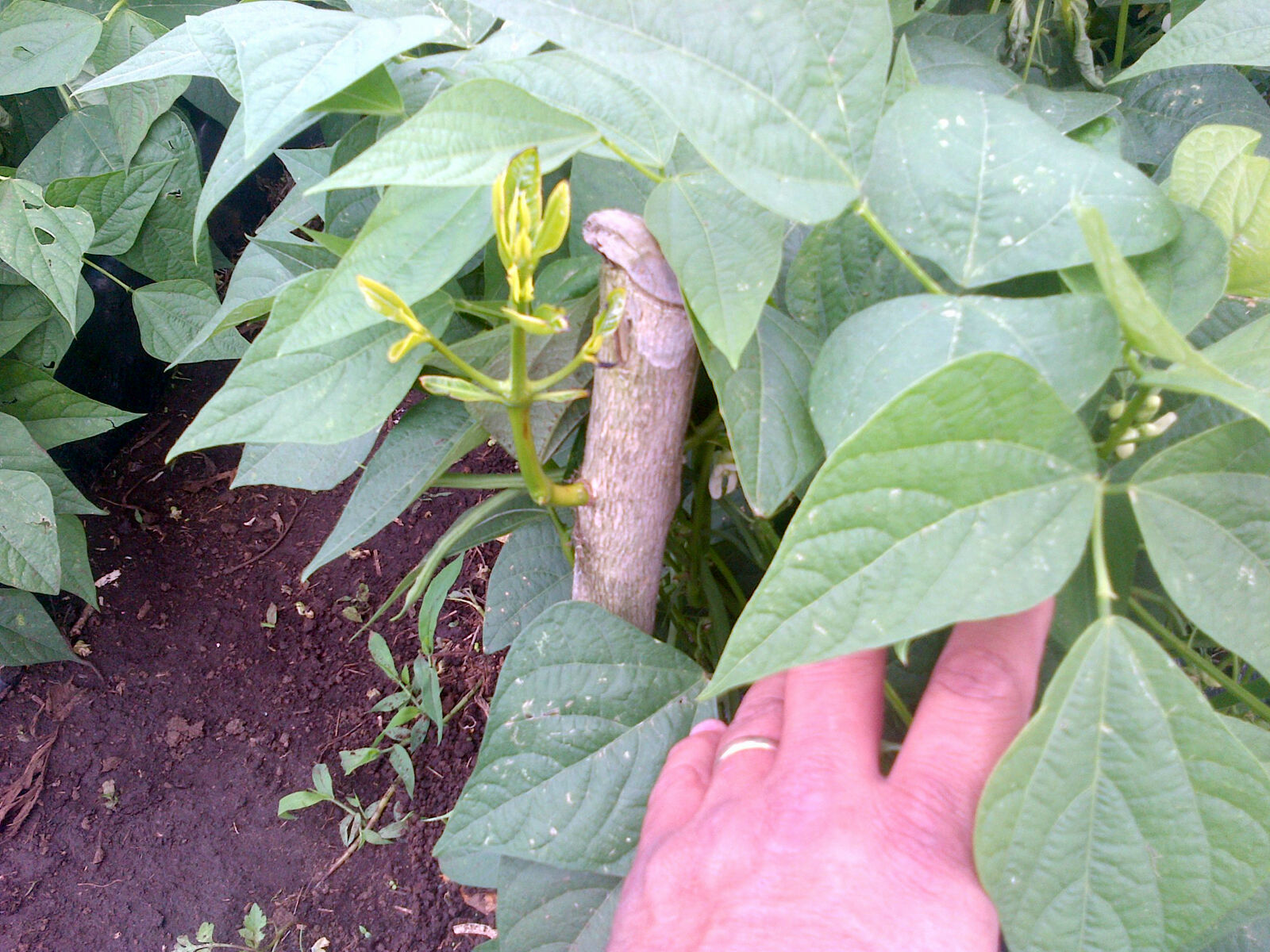
Cut-branch stakes (see photo below), used to support green bean crops in Mexico, began sprouting after the crop was sprayed with Breakout®.
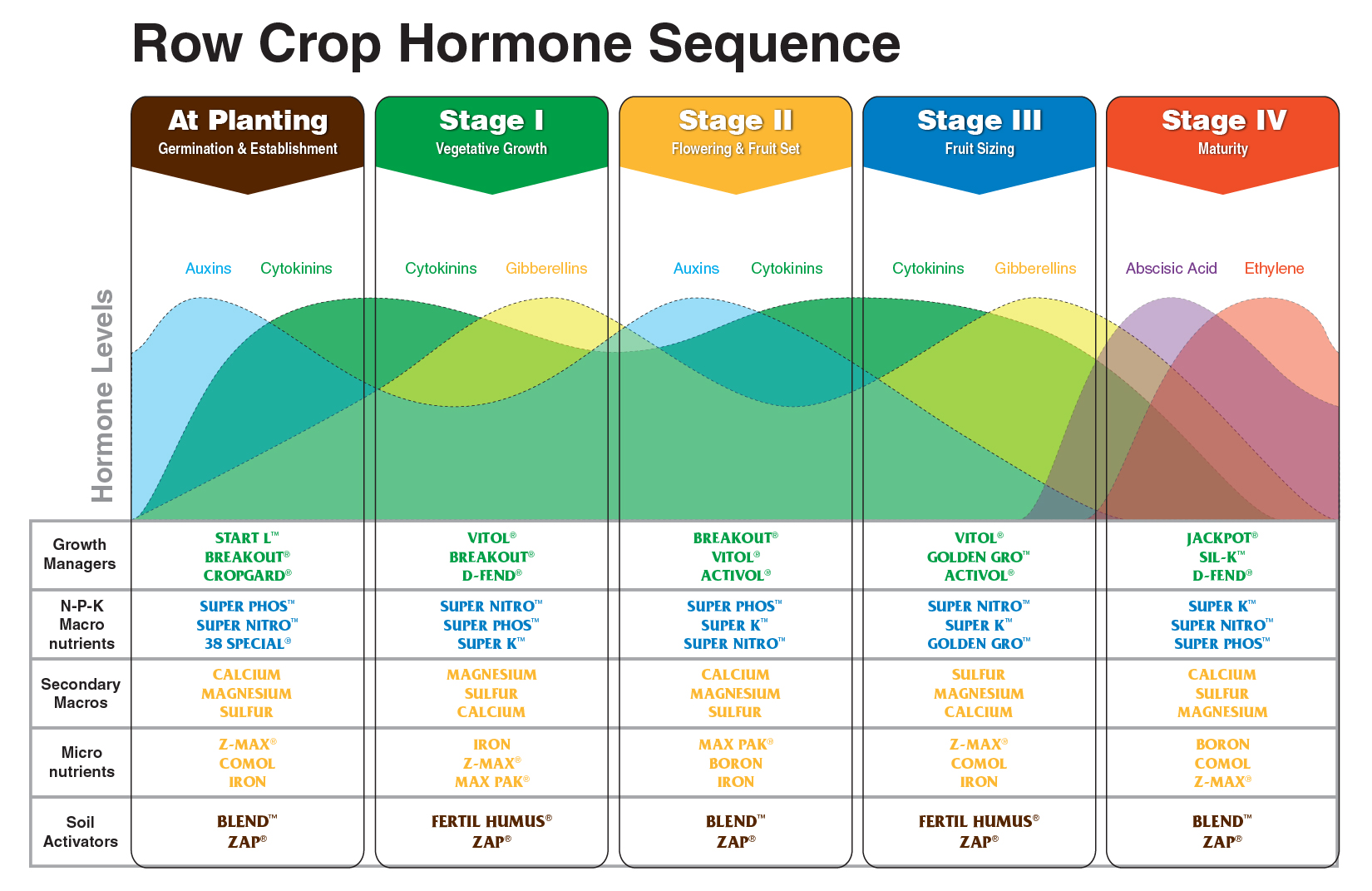
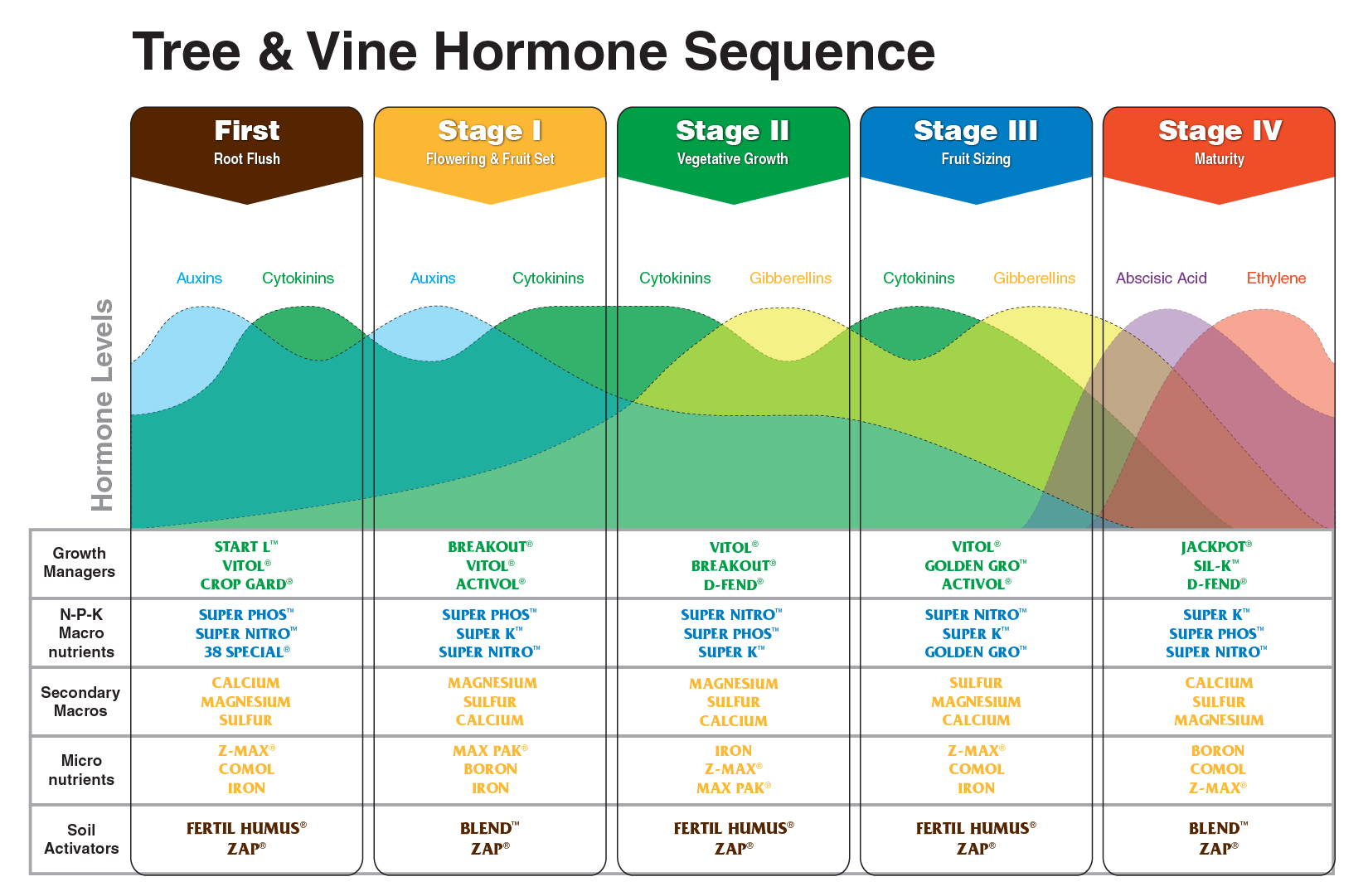
Lyndon also mentioned the Row Crop Hormone Chart and the Tree & Vine Hormone Chart, which we’ve posted below.

Related Posts

Field Trial: Promax® Controls Nematodes for English Boxwood
Virginia Tech Kentland Experimental Research Farm, McCoy, Va. This two-year trial aimed to assess the suppression effects of PROMAX® and 2 types of beneficial nematode treatments (S. feltiae and S. riobrave) versus a control on plant-parasitic nematodes (Stunt, Lance, Ring, and Spiral) for English Boxwood (Buxus sempervirens L. var. suffruticosa) ornamental plants. The results reported

Humic Acids vs. Compost
Two of the most common methods used for rapidly increasing soil organic matter and improving soil biology are to add compost or to add humic substances. There are pros and cons with each.

HUMA GRO® ZAP® CAULIFLOWER TEST FIELD IN SPAIN
Distributor: Huma Gro Hispaña HUMA GRO® application was ZAP® 5L/ha The cauliflower on the left was planted 3 weeks earlier than the cauliflower on the right, meaning the control is an older crop—although it looks worse for wear and is shorter. The two groups have equal nutrition programs: the difference is time and ZAP® at 5L/ha.