OM 1-3 mm
Benefits of Use:
• Uniform granular size promotes even coverage/distribution of humic substances for sustainable carbon benefit
• Long-term soil organic-matter building
• Increased water penetration
• Increased flocculation of clays
• Promotes conversion of fertilizer into plant-available food
• Increases soil nutrient mineralization
• Sustainable soil microbial activation
FAQs
Natural Carbon for Healthier Soils and Stronger Crops
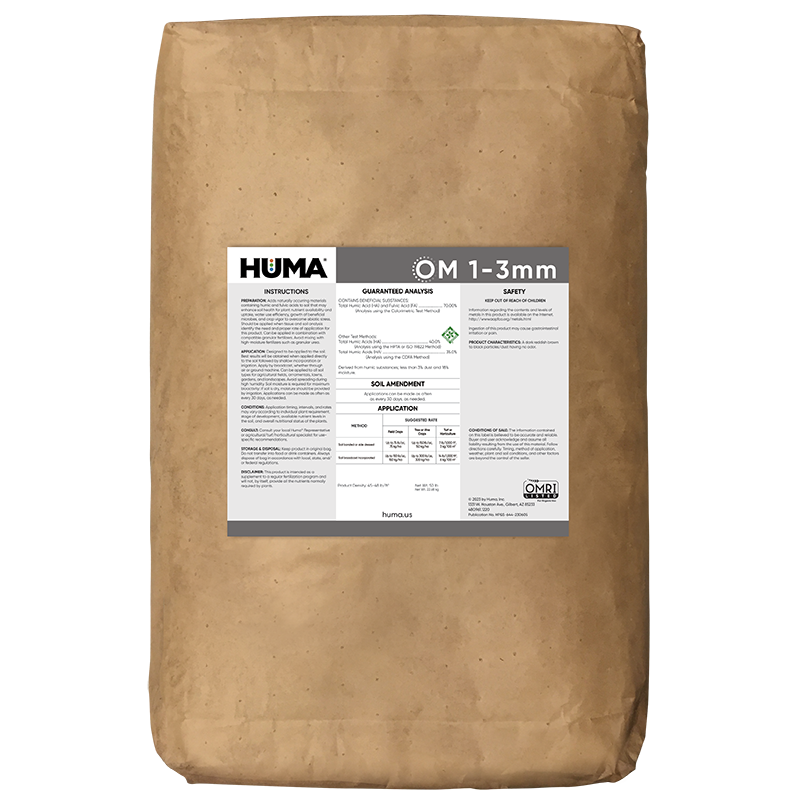
Huma’s OM 1–3 mm is a natural humic product processed from naturally occurring, oxidized lignite. It provides a concentrated source of humic substances and is a supplemental source of trace elements. Humic substances add organic matter to soils—which stimulates soil microbial life and soil fertility, enhances plant nutrient availability and uptake, improves root development and root mass and growth, and increases crop quality and yield. OMRI-Listed® OM 1–3 mm is ground and screened to a uniform crumble (contains less than 3% dust) ideal for mixing with other dry inputs that are not hygroscopic. It can be applied to all soils—broadcast in fall, post-harvest, or early spring—either pre-plant or with seed. Incorporation is not required. It can be applied in bands, either with seed, fertilizer, or after planting.
Guaranteed Analysis
Contains beneficial substances:
Total Humic Acids (HA)………………………………….40.0%
(Analysis using the HPTA or ISO 19822 Method)
Other Test Methods:
Total Humic Acids (HA)…………………………………. 35.0%
(Analysis using the CDFA Method)
Total Humic Acid (HA) and Fulvic Acid (FA)……… 70.0%
(Analysis using the Colorimetric Test Method)
Derived from leonardite; less than 3% dust and 18% moisture.
PHYSICAL PROPERTIES
Form: Dry granule
Appearance: Dark reddish-brown-to-black particles/dust having no odor.
Product Density: 45–48 lb/ft3
Net Weight: 50 lb / 22.68 kg
50 lb. Paper Kraft Bags – Our fifty-pound bags are “blow-in” type bags with 2 paper layers and an inner layer of impermeable plastic. Air holes in the bags allow the product to be blown in through an opening in the top of the bag. This opening is self-closing when the bag is filled to capacity. Fifty-pound bags are stacked on 40×48″ pallets for shipping, with 45 bags to the pallet (2,250 pounds of product per pallet. The pallets themselves weigh 50 pounds). Shrink wrapping of palleted bags is available upon request. The bags are a plain brown paper with no printing. Pre-printed customer bags can be filled upon request.
1Ton Mini Tote Bags – The most popular method for shipping our products is in mini-bulk bags, each of which holds approximately 1 ton of product. These bags are made of a synthetic material and are resistant to moisture. The bags are “duffel top”, meaning they can be tied closed at the top. A spout on the bottom of the mini-bulk bags is tied closed for filling and can be opened to allow dumping of the product into a hopper or mixer. Straps at the four top corners of the bags allow easy handling with a forklift. We can ship mini-bulk bags on pallets (36×26″) upon request.
Bulk – Granular humate products can be shipped in larger bulk storage containers such as grain trucks (hoppers), belt trailers, etc. Please inquire if you are interested in bulk shipments.
75-150 lbs. per acre, broadcast in fall, post-harvest or early spring, either pre-plant or with seed. Incorporation not required. Banding: either with seed or after planting, reduce application rates proportionally. Can be applied to all crops.
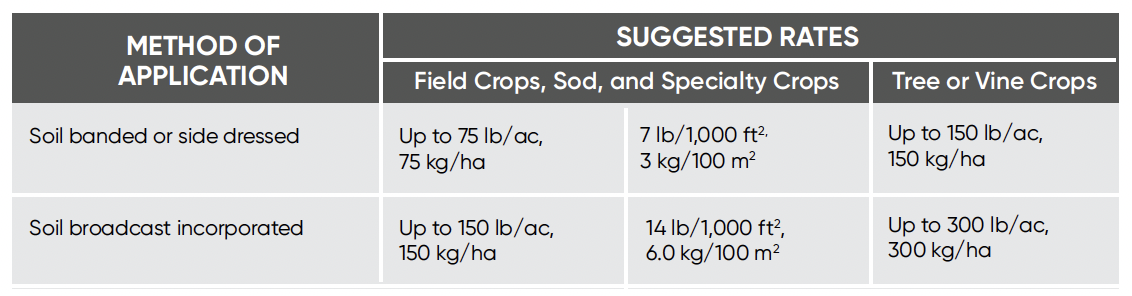
OM 1 3 mm Application Rates Chart
Related Videos
Huma Minute – What is Humic Acid with Cory Ritter
Huma Mid-West Regional Sales Manager Cory Ritter discusses the different types of humic acids and what they do for your plants.
Learn More
Huma Minute – Humate Application Rates with Cory Ritter
Huma Mid-West Regional Sales Manager Cory Ritter discusses humate application rates and why there is not a one-size fits all rate.
Learn More
Huma Minute – Humic Acid Testing Methods with Cory Ritter
Huma Mid-West Regional Sales Manager Cory Ritter discusses the differences in the various humic acid testing methods.
Learn More
Related Case Studies
Huma® Organic 1-3 mm Dry Humate vs Biochar in Soybeans, With ROI of 4:1
Background Humates are used as soil amendments that have shown to improve crop production. The usage of biochar as a soil amendment has gained traction and has also shown to increase crop yield. Objectives The aim of this study was to test how preplant soil application of organic (OMRI-Listed) humates (Huma® OM 1-3mm) and biochar

Huma® and Zia Pueblo Farm Corn Project
Background Many small-scale farms (1-2 acres each) are established in Zia Pueblo community near San Ysidro, New Mexico. Huma® Inc. was asked to establish an experimental farm in the tribal community that could demonstrate the usage of beneficial agricultural inputs producing high-yield crop and preserving the health of the soil. Huma® humic-based products stimulate plant
Huma® OM 1-3 mm Organic Humates Improve Potato Yield by 9%, With 5:1 ROI
Background Scientific research shows that humic and fulvic acids are biostimulants—enhancing nutrient availability and uptake, improving plant root growth and mass, and impacting both crop yield and quality. Objective The focus of this study was to assess the effect of pre-plant application of a raw humic product on potato yield. Materials & Methods One week
Related Blog Posts
This Week in Ag #21
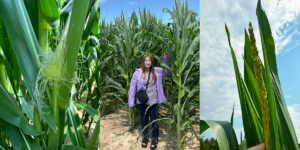
You’ve all heard the saying “knee-high by the fourth of July” to describe the progress of a corn crop. It’s a phrase many folks still refer to today. But as the photo below shows, that saying is now laughable. In fact, if you’re a Midwest farmer and your corn is now knee high, it’s probably in big

This Week In Ag #96
The greatest event in history took place at a farm setting, in a stable. The first to bear its witness were farmers, the shepherds. Merely coincidences? I think not. Here’s wishing you a Very Merry Christmas!

This Week in Ag #50
When explaining the carbon offset market, many of you have heard me give the example of companies and individuals purchasing carbon credits to “offset” their carbon footprints. By nature of what they do, some businesses such as airlines have no choice, as they’ll otherwise never come close to meeting self-imposed carbon footprint targets.
Related Products
OM POTASSIUM
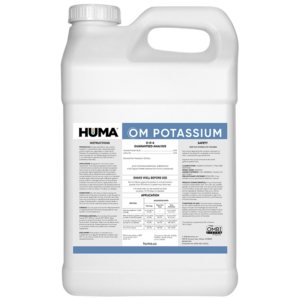
Carbon-complexed with Micro Carbon Technology®, OMRI-Listed® OM POTASSIUM is an organic potassium product that effectively maximizes potassium uptake by plants....
Z-MAX
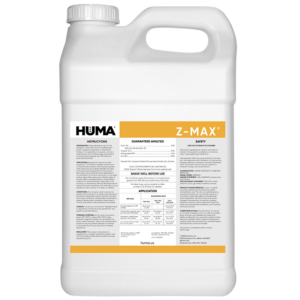
Z-MAX®, carbon-complexed with Micro Carbon Technology®, ensures efficient and effective uptake of zinc, sulfur, manganese, and copper to optimize micronutrient...
STABLESOL POWDER
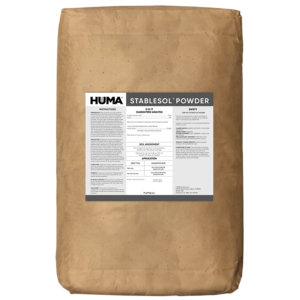
STABLESOL® POWDER is a water soluble powder produced using a proprietary extraction, modification, and spray dry process. This process yields...