
This Week In Ag #166
Amber waves of grain? More like light ripples.
US growers are projected to harvest the smallest wheat crop in over half a century. That’s due to both how much was sown and how much will be reaped.
Farmers planted the lowest number of wheat acres since World War I. Declining acreage has been trending for many years. Growing up, like on most Midwest farms, wheat was a staple of our operation. We needed it for straw to bed our livestock. It provided cash flow in the summer. Helped manage risk within a crop rotation. Provided a cover crop on hilly ground (okay, hilly by Illinois standards). And in some years, we’d double crop by planting soybeans after wheat harvest. Now, you can drive a long way before spotting wheat fields in the Cornbelt.
Severe drought throughout the Great Plains has decimated crop yield outlooks in many areas. Among the top seven wheat-producing states, only 15% of the acres are rated as good-to-excellent. Huge spikes in crop input costs, especially fertilizer, made growers gun-shy about further feeding their crop. Yields in America’s top wheat state, Kansas, are projected to decline 38%.
Logically, one would assume wheat prices would rise dramatically. But after hitting its two-year high at the beginning of last week, prices plummeted 50 cents per bushel by week’s end. At $6.35 on the Board of Trade, prices are slightly above the 15-year mean when adjusted for inflation. But when you factor in the basis (the local cash price minus the futures price, which takes into account shipping), prices are at or even below $6 in many areas.
You may be asking: what will this mean for the price of bread and other baked goods at the grocery store? Oh, they’ll continue to increase. They already are. Grocery prices are rising at their fastest monthly pace in four years. But it’s not because of the prices farmers get for their wheat. It’s driven by runaway fuel, freight and handling costs.
A loaf of bread typically contains about one pound of wheat. Even at the current July Board price of $6.35 per bushel, that equates to about one dime’s worth of wheat per loaf of bread. So even major price fluctuations in commodity wheat prices have nominal impact of bread prices.

Related Posts

This Week in Ag #69
As we celebrate National Dairy Month, my thoughts are with Jack & Frances Watt, my old neighbors (when you live in the country, a “neighbor” can reside within at least 5 miles of you) who were dairy farmers. They were among the hardest working, kindest people I’ve ever known. Vacations were a foreign concept to

How Dry Conditions Drive #Plant25 Decisions
There’s an old saying in farming: “Plant in dust, your bins will bust”. The premise is that dry soils will encourage faster, deeper root growth early in the season, which will lead to more robust root systems and stronger plants throughout the growing season. Conversely, crops planted in ideal moisture conditions may become lazy and their roots remain shallow, causing potential problems later in the season when summer heat and dry conditions often arise. If that old adage is true, then Midwest farmers would be looking at a bumper crop in 2025. Then again, there’s dry, then there’s very dry.
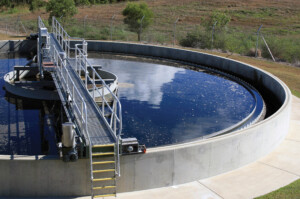
Bio Energizer, Micatrol & Bio Feed Reduce COD and Stabilize Wastewater Treatment for Plastic Producer
A plastic manufacturer in Taiwan needed a new process to efficiently treat elevated incoming chemical oxygen demand (COD) to comply with stringent EPA regulations for effluent discharge. The plant is an activated sludge treatment system with an influent of approximately 2,000 cubic meters per day (CMD) which is equivalent to approximately 530,000 gallons per day