
This Week In Ag #151
My Grandma Nichols taught class in a one-room schoolhouse. Think “Little House on the Prairie”. Literally. The schoolhouse sat on the western Illinois prairie and included all grades. Her suitor would arrive at the schoolhouse early each morning to get a stove fire burning prior to starting his farm chores. His chivalry paid off, as Grandpa would go on to cherish seven decades of marriage to the most wonderful person I’ve ever known.
Recently, I came across her old lesson plans. The student body at Maple Grove School in the rural community of Gilson, Illinois, was what you’d expect. So much of her curriculum was designed around farming. And many of those studies revolved around the subject of corn (Now can you tell where I get it?).
Among her class projects, she took students to a corn field (likely not a far walk from the school, perhaps just a few steps past the outhouse) to teach them “How can we tell whether an ear will make desirable seed corn?” Keep in mind this lesson was taught about 100 years ago, before the widespread commercial use of hybrid seed corn. Using a technique called mass selection, she had each student select five ears and discuss them with the other students. She encouraged them to look for plants that, “while standing, are formed from vigorous, erect stalks with good care, with long good ears on strong shanks.” She had them look at stalk strength, standability, ear size, kernel size and appearance. Sounds about like how we evaluate crops today.
She outlined an 11-step process for growing corn, which included events such as selecting the right fields for the right crop, manure selection and application (commercial fertilizer wasn’t widely adopted until after WWII), germination tests, seedbed preparation, cultivation, husking, storage and selling. Similar lessons were prepared for raising livestock and other crops, including the importance of bees and other pollinators. What we now call regenerative agriculture, Grandma called farming.
She listed “social aids” and how they have and will continue to help farmers. Among them were good roads, good schools, churches, rural free delivery (fairly new at the time, it underscored the importance of providing timely information such as farm magazines), Chautauquas (traveling road shows and the predecessors to trade shows), telephone, radio and granges (precursors to associations).
Grandma never really stopped teaching. Sure, she may have left the one-room school. But the same passion and curiosity she instilled in the classroom was later transferred to her front porch. Taught while snapping peas, shucking corn and pitting cherries. She would often say, “I’ll always be amazed at how all of this life comes from planting and caring for a tiny seed.”
Thanks to her, so will I.

Related Posts

BHN Presented With USDC Export Achievement Award
The United States Department of Commerce (USDC) has awarded Bio Huma Netics, Inc. (BHN) an Export Achievement Certificate in recognition of recent accomplishments in the global marketplace. The certificate was presented to BHN CEO Lyndon Smith in Phoenix by Congressman Andy Biggs (Arizona’s Fifth Congressional District). In presentation remarks, it was stated that, “For the
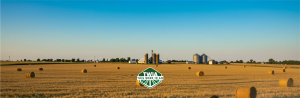
Making Memories by Making Hay
Making Memories by Making Hay A nostalgic look back at the labor, sweat, and family memories made during hay season — from hand-stacking square bales to the arrival of the game-changing round baler.

This Week In Ag #102
All four faces on Mount Rushmore are farmers. Along with being the father of our country, George Washington was a father of regenerative agriculture, implementing intense crop rotation (he grew 60 different crops), cover crop practices, manure management, and grazing from multiple livestock species on his 8,000-acre Mt. Vernon farm. Thomas Jefferson, considering himself “first a