
Agriculture is one of the world’s oldest industries. In fact, many countries’ economies still depend on the agricultural industry. Today, on October 12, we recognize the hard work that goes into feeding a nation. Previously known as Old Farmers Day, National Farmers’ Day dates back to the 1800s, a time when a higher percentage of the population was involved in agriculture, with harvest festivals and events in September and October. National Farmers Day encourages Americans to thank farmers and ranchers for providing the food, clothing, fuel, and materials that we otherwise take for granted.
See how The Old Farmer’s Almanac celebrates National Farmer’s Day: https://www.almanac.com/newsletters/archive/2018-10-12

Related Posts
This Week in Ag #43
December 8th is #NationalChristmasTreeDay. This of course sets up the great debate, real or fake? While every family weighs the pros and cons of choosing the Tannenbaum they rock around, a popular nation is that fake trees are more eco-friendly. After all, they can keep for many years, right? And isn’t it bad to cut down real trees merely for decoration? Not so fast.
This Week in Ag #21
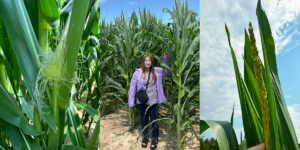
You’ve all heard the saying “knee-high by the fourth of July” to describe the progress of a corn crop. It’s a phrase many folks still refer to today. But as the photo below shows, that saying is now laughable. In fact, if you’re a Midwest farmer and your corn is now knee high, it’s probably in big
This Week in Ag #54
Farmers love to kick tires, share stories, and due to their curious nature, are always looking to pick up tips for their trade. It’s no wonder the agricultural industry is rife with trade shows. Perhaps the most influential show is Commodity Classic, where the National Corn Growers Association, American Soybean Association, National Wheat Growers Association