
Agriculture is one of the world’s oldest industries. In fact, many countries’ economies still depend on the agricultural industry. Today, on October 12, we recognize the hard work that goes into feeding a nation. Previously known as Old Farmers Day, National Farmers’ Day dates back to the 1800s, a time when a higher percentage of the population was involved in agriculture, with harvest festivals and events in September and October. National Farmers Day encourages Americans to thank farmers and ranchers for providing the food, clothing, fuel, and materials that we otherwise take for granted.
See how The Old Farmer’s Almanac celebrates National Farmer’s Day: https://www.almanac.com/newsletters/archive/2018-10-12

Related Posts
This Week in Ag #41
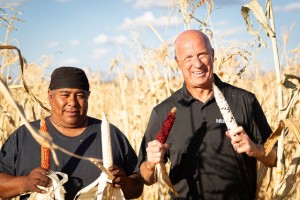
This is American agriculture’s big week – Thanksgiving! Our celebration of food takes center stage on family dining tables from sea to shining sea. Not only do we honor the 1% who currently feed us, we also reflect upon the many contributions of the original American agriculturalists, our Native Americans. For starters, they saved the Pilgrims from starvation during their first years in the New World. The Wamponoag tribe utilized their famous “Three Sisters” cropping practice: corn, beans and squash.

The Original Farm App: The Notebook
Before apps, dashboards and precision tools, there was something simpler and just as powerful: a pocket notebook. Tucked into a shirt pocket, it held the story of every field, every decision and every season. For many farmers, it wasn’t just a record book. It was a diary.