
In this short video, Shawn Whitmer, PE, discusses how foam and settling caused by filamentous bacteria can create problems for municipal activated sludge wastewater treatment plants. Our Probiotic Solutions® liquid stimulant product, Bio Genesis®, can help facilities take a bioremediation approach to improve treatment performance; reduce foam, SVI, sludge, and FOG; and decrease energy costs.

Related Posts

World Soil Day is December 5
The Food and Agriculture Organization of the United Nations sponsors World Soil Day every December 5 to focus attention on the importance of healthy soil and the sustainable management of soil resources. Sponsored every year since 2014, this year’s theme focuses on soil pollution. Here is an excerpt from the World Soil Day Website: “These
This Week in Ag #79
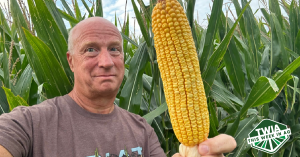
Seeing is believing. And I’m convinced the recent WASDE reports on crop production aren’t lying. Over the weekend we took my son to college. Our scenic journey through farm country – beauty is in the eye of the beholder, after all – took us deep into the Corn Belt. The projected 2024 corn yield in the Prairie State

Moving Closer to Farmers
Just as all politics are local, all farming is local. Terrain, soils, weather patterns, market access and cultural production practices vary dramatically across the Fruited Plain, as do the issues and concerns shaping ag policy. So it only makes sense for the entity that combines politics and farming to go local. Because in an urbanized city located on the banks of the Potomac, run by elephants and donkeys, you don’t see many cows, pigs or chickens, much less corn, wheat or almonds.