
Bio Genesis
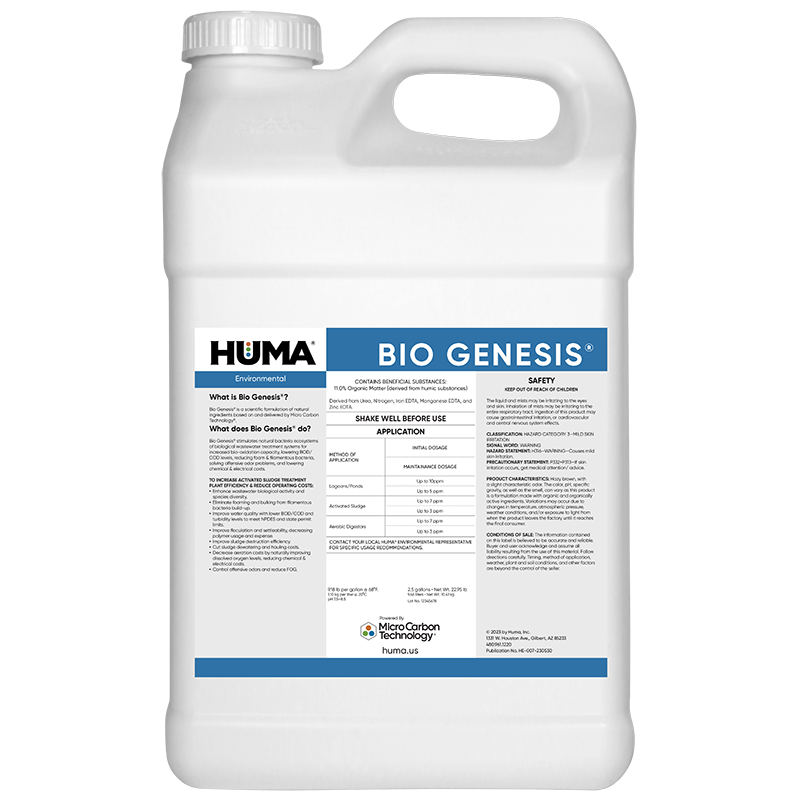
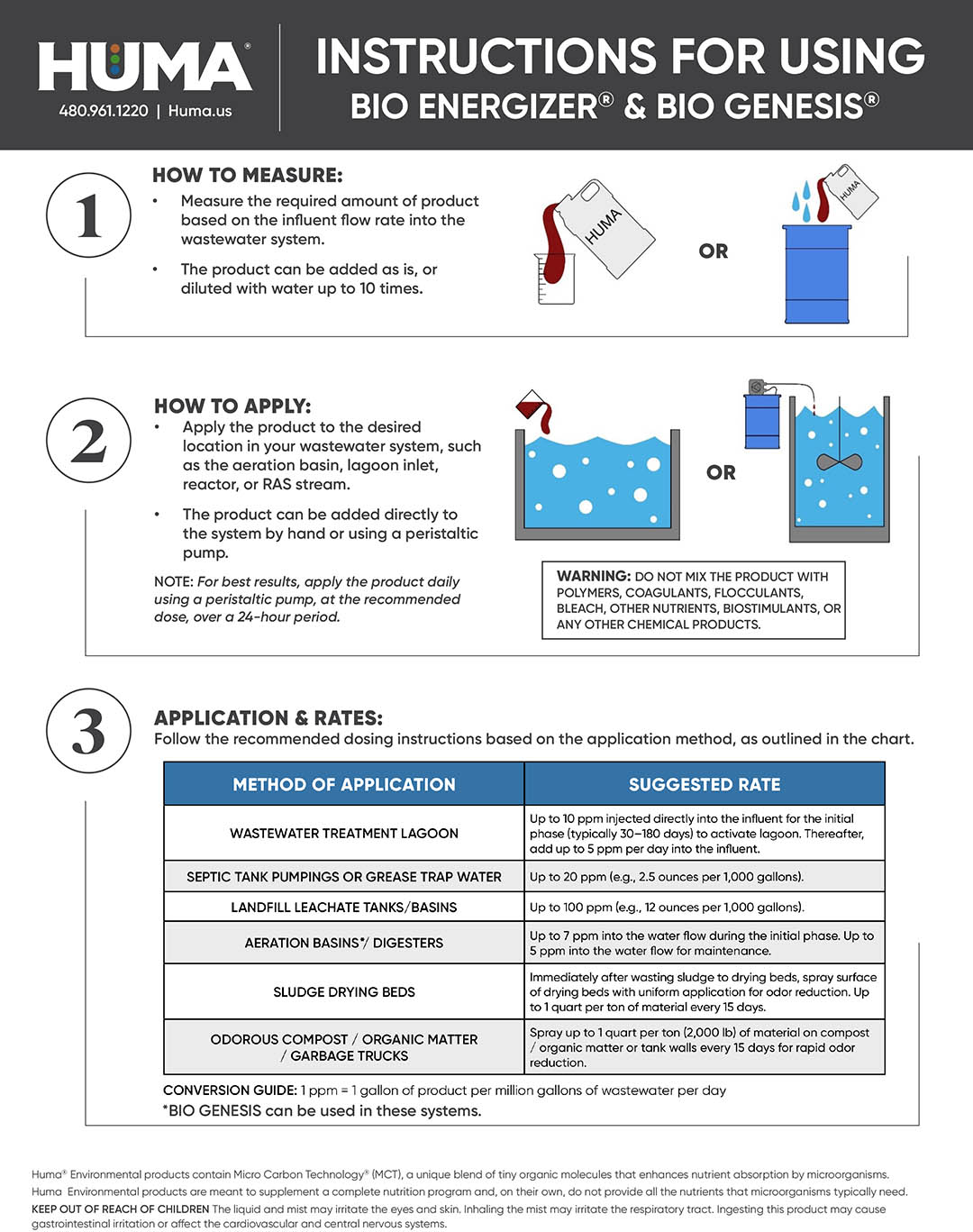
Benefits of Use:
- Improves flocculation and settleability
- Improves SVI
- Sustains dissolved oxygen levels
- Decreases mechanical aeration and energy costs
- Reduces noxious odors
- Reduces coagulant and flocculant chemical use and costs
- Minimizes upsets
- Reduces chlorine disinfection demands
- Reduces filamentous bulking, foaming, and scum
- Reduces wasting, sludge volume, and out-of-service time
- Improves effluent water quality
FAQs
Related Videos
Huma Environmental Bio Genesis
View our Huma Environmental Bio Genesis Video
Learn More
Huma Environmental Wastewater Treatment Products
Huma Environmental wastewater treatment products are meant to work with all of the systems to proactive with biology. Our products stimulate the biology that is already present. A product line that stimulates what's already present
Learn More
Related Case Studies

Bio Genesis® Reduces Foam and Increases Stability at Idaho Municipal Wastewater Treatment Facility
Problem A municipal wastewater treatment facility in Idaho uses a small, activated sludge system to treat 35,000 gallons per day (gpd); waste activated sludge (WAS) is removed from the system approximately every 2 to 3 weeks. The system frequently experienced intermittent foaming and settling issues, as well as seasonal impact from grease relating to the
Bio Genesis® Reduces Foam and Increases Stability at Arizona Municipal Wastewater Treatment Facility
Problem A municipal wastewater treatment facility in Arizona uses an activated sludge system with 4 oxidation ditches to treat approximately 9 million gallons per day. The system frequently experiences intermittent foaming and settling issues. The operator was looking for a solution to the foaming and settling issues that would also provide operational stability throughout the
Related Blog Posts

The Impact of Commonly Abused and Illicit Drugs in Wastewater Treatment
By Heather Jennings, PE, Senior Project Engineer for Probiotic Solutions® I was attending a wastewater conference and overheard an operator talking about how a drug bust turned his lagoon orange and almost put him out of compliance with his permit. At another location, I was told that the city I was visiting had been hit by
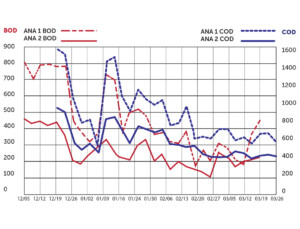
Bio Energizer® Reduces Cost and Turbidity in Paperboard Lagoons
A paper mill wastewater facility was treating 940 tons of paper bags, recycled linerboard, and corrugating medium, daily. The mill was interested in improving wastewater operating efficiency and lowering operating expenses over their standard polymer usage. The plant was experiencing filamentous bacteria, solids, and bulking issues in the final clarifier. It was discharging 4,000 pounds

A Powerful and Proven Strategy to Cut Wastwater Treatment Costs
Using our proprietary Micro Carbon Technology®, Probiotic Solutions® product BIO ENERGIZER® efficiently reduces sludge, odor, BOD, COD, and FOG’s. It’s a scientific formulation of organic acids, buffers, and nutrients designed to stimulate natural biological ecosystems that increase biooxidation of sludge in wastewater treatment plants, lagoons, and ponds. It also reduces grease and solids accumulation problems
Related Products
OM GREENS (HE)
Huma® OM Greens is a natural humic and fulvic acid product processed from naturally occurring, oxidized humic substances. It provides...
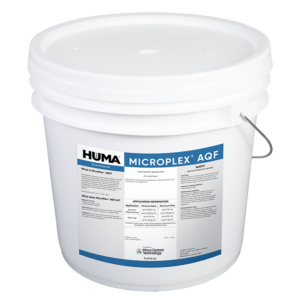
MicroPlex® AQF
Huma® MicroPlex® AQF is a formulation of aerobic and facultative bacteria and flocculant aids. The microorganisms are specifically chosen for their ability...
MICROPLEX JS
Huma's MICROPLEX® JS is a two-part formulation of a live synergistic blend of natural, Class I bacteria, specifically chosen for their...