
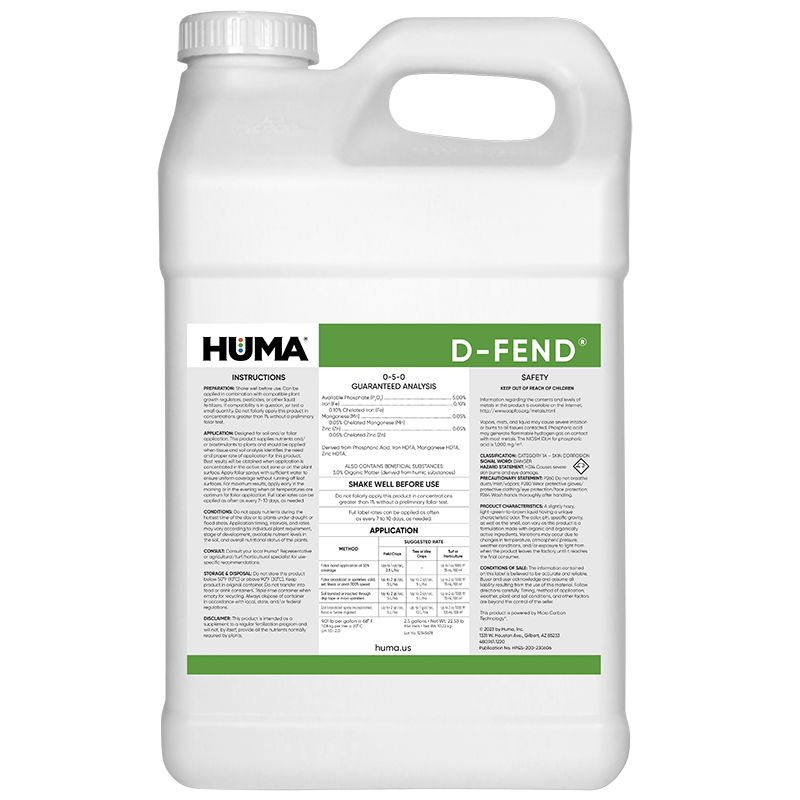
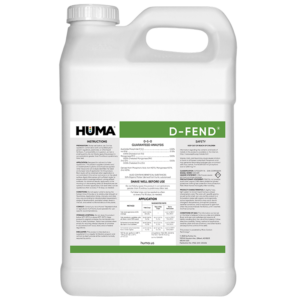
D-FEND
Benefits of Use:
- Provides essential plant nutrients
- Nutrients plus natural oils and extracts improve plant tolerance of environmental stresses
- Tank-mixes with most chemical pesticides
- Delivers maximum performance with no negative environmental impact
- Can be used to carry any combination of Huma® nutrients
- Minimizes leaf burn or phytotoxicity associated with foliar nutrient sprays
Deficiency Symptoms—When to Apply:
- Plants weakened due to stress/disease
- Nutrients not being absorbed by plant
- Yellowing of leaves
- Early decay of plants
FAQs
Related Case Studies
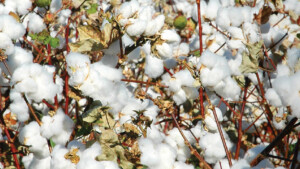
Huma® Fertil Soil® Increases Cotton Yield 16%, With 265% ROI
Background Application of Fertil Soil® to soils in combination with other Huma® fertilizers at various locations previously resulted in crops with improved plant growth and higher yields. Applying Fertil Soil® as a single product application or with grower standard products to soil and plants could also impact results. Objective The focus of this study was

Huma® Breakout® Increases Processing-Tomato Yield With 8:1 ROI
Objective In this study, the Huma® growth manager product Breakout® was evaluated in terms of its effects on yield and quality of processing tomatoes. Materials & Methods In cooperation with the University of California, processing tomato seedlings were transplanted on a farm in Central Valley of California near Patterson on April 4 and then harvested

Recoverable Sugar of Sugar Beets Yield Increased Using Huma® Program, Year 2
Objective This field trial was conducted to observe effectiveness of additional preharvest applications of Huma® products on recoverable sugar of sugar beets and return on investment. Materials & Methods This trial on sugar beet (Beta vulgais vulg. altissima) was conducted in Homedale, Idaho. The crop was seeded on April 18 and was harvested on October




Related Blog Posts

Organic Fertilizer Success—45 Years in the Making
The creation of Fertilgold® Organics was a journey 45 years in the making that grew from a desire to contribute to a shared world abundance through our traditions and time-tested values. We have set a new standard for organic fertilizers.

This Week in Ag #71
Farmers are not fast forgetters. They have long memories. Past weather events, cultural practices, product usage, and marketing decisions often drive future decisions. With that, I’m guilty as charged. Last season, a straight-line wind caused major greensnap to a new corn hybrid, wrecking my goals. This made me take pause and return to some of the

This Week In Ag #92
Should regenerative agriculture resemble a Chinese menu, where you freely pick and choose the ingredients you want to include or eliminate from your entrée, rather than taking a holistic approach? That depends on your perspective of regen farming.
Related Products
SULFUR
Huma's SULFUR, carbon-complexed with Micro Carbon Technology®®, enables sulfur nutrient absorption by the plant. SULFUR is a major nutrient involved...
STABLESOL POWDER
STABLESOL® POWDER is a water soluble powder produced using a proprietary extraction, modification, and spray dry process. This process yields...
D-FEND
D-FEND®, carbon-complexed with Micro Carbon Technology®, is a foliar formulation of nutrients and refined plant oils that facilitate nutrient uptake...