
COPPER
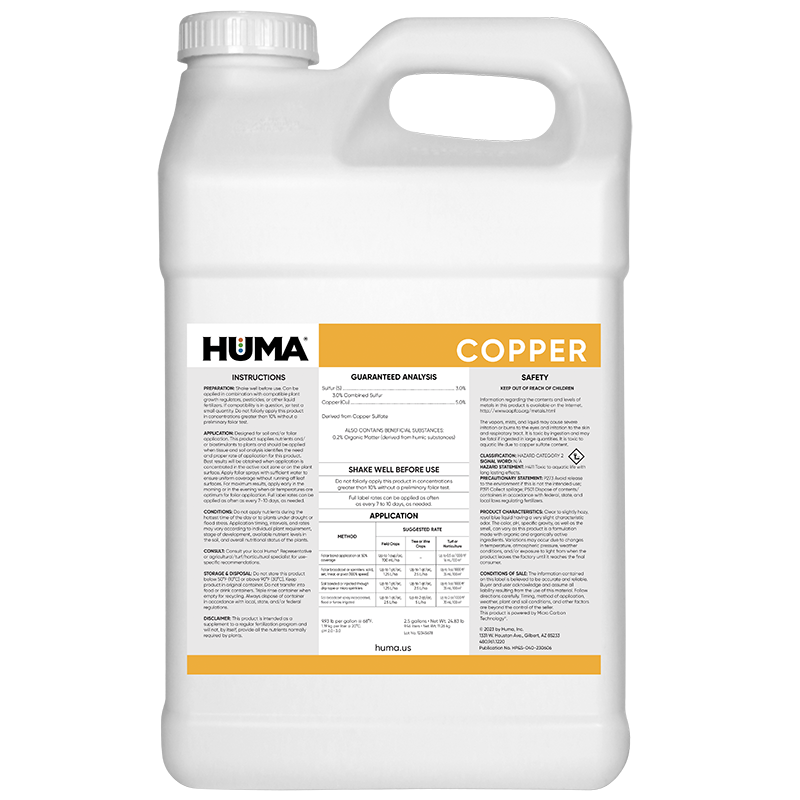
Benefits of Use:
- Increases enzyme activity in the metabolism of plant
- Has a regulatory effect when soil nitrogen is high
- Has a role in the production of Vitamin A within the plant and funtions in chlorophyll formation
- May be used with sulfur to improve plant tolerance of environmetal stresses
Deficiency Symptoms—When to Apply:
- Young leaves become wilted, chlorotic, and twisted, followed by withering and dying
- Plants show a half-dwarfing effect with an inward rolling of leaves that develop a blue-green appearance
FAQs
Related Case Studies

Huma® Fertilizer Products Increase Cucumber Yields at ROI of 113%
Objective The purpose of this research project was to evaluate how Huma® liquid fertilizer products with Micro Carbon Technology® affect cucumber yield when compared with a control program of grower’s standard fertilizer. Materials & Methods This study was conducted at the Southeast Ag Research facilities in Chula, Ga. The experiment was conducted with four replicates.

Huma® X-Tend® Increases Glyphosate Effectiveness Against Resistant Weeds
Objective Over the years, some weeds have developed resistance to common herbicides such as glyphosate. To overcome this hurdle, some growers may bump up the rates or add other herbicides or products with different mechanisms/modes of action into the tank mix. Such approaches have had mixed results over the long run and have increased the
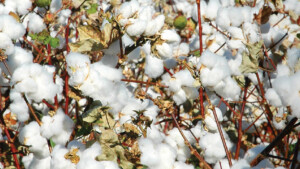
Huma® Zap® Increases Cotton Lint Yield by 125.8 lb/A, With 67% ROI
Background Application of Zap® to soils in combination with other Huma® fertilizers at various locations previously resulted in crops with improved plant growth and higher yields. Applying Zap® with grower standard products or as a single product application to soil and plants could also impact results. Objective The focus of this study was to observe




Related Blog Posts
This Week in Ag #34
Earl Butz, one of the most famous and popular US Secretaries of Agriculture, once told me that a key competitive advantage for US farmers in the global marketplace is our built-in natural infrastructure. Our Great Lakes and river system is perfectly designed to transport grain efficiently. The Mississippi River is the backbone of our agricultural transportation system: 60% of all grain exported from the USA is shipped by barge down the Mighty Mississippi.

This Week in Ag #13
Corn came screaming out of the ground in just five days on my farm at Agricenter International in Memphis. Other than the seed and herbicide, I’m using 100% Huma® products. My belief is that you don’t just farm the crop, you farm the soil. These Mid-South soils have low organic matter levels, so the pre-plant application

This Week in Ag #23
Move over carbon credits, and make room for carbon intensity scores. That’s the sentiment of many in the ag industry. Launched with plenty of fanfare, and hailed by celebrities and politicians alike, carbon credits seemed to represent a modern-day gold rush. Yet we’re multiple years in, and adoption sits at about 1-3% of farmers. Why
Related Products
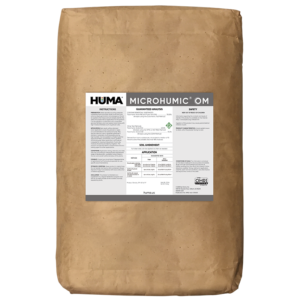
MicroHumic OM
The Organic Solution for Stimulating Seeds, Soil, and Crops OMRI-Listed as both a soil amendment and as a seed treatment,...
VITOL
VITOL®, carbon-complexed with Micro Carbon Technology®, feeds the natural metabolic processes within the plant for vegetative development and fruit sizing....
COPPER
Huma's COPPER carbon-complexed with Micro Carbon Technology®, ensures efficient and effective uptake of copper, which is a micronutrient involved in...