
OM SOIL ACTIVATOR
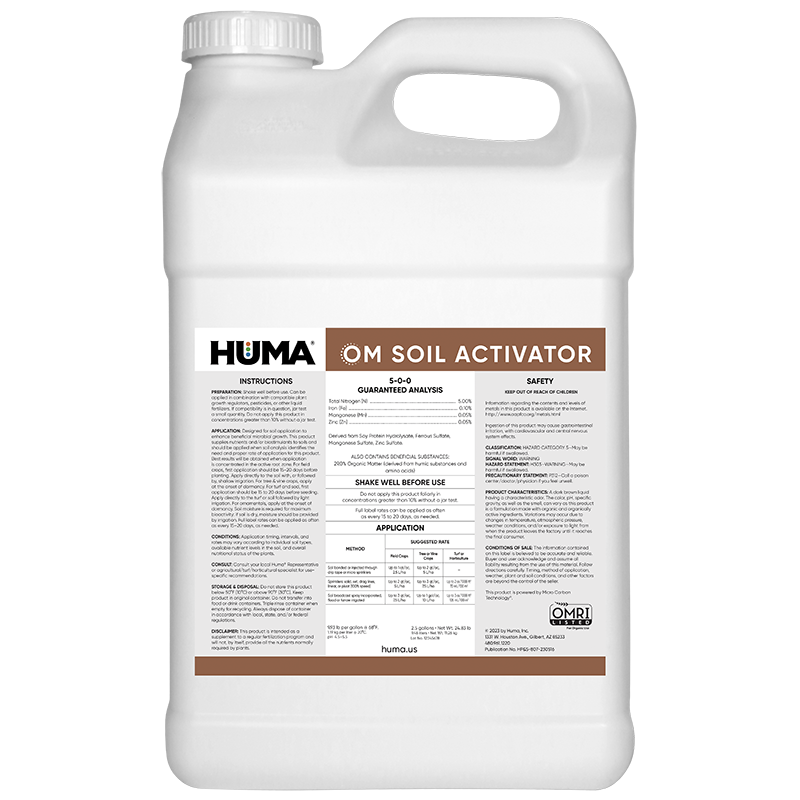
Benefits of Use:
- Helps to improve the soil environment for aerobic biological growth and diversity
- Builds biological humus development in all soil types
- Flocculates clay particles in soil for better aeration and soil tilth
- Increases water-use efficiency
- Buffers salts in high alkaline or sodium soils
- Increases nutrient availability at all soil pH levels for easier plantuptake
- Encourages root mass development and root depth penetration
FAQs
Related Case Studies

Huma® OM Soil Activator Increases Corn Yield 19%, With 240% ROI
Background In an earlier in-house research project, it was observed that OM Soil Activator (formerly known as Fertilgold® Soil) caused plants to grow better and improve soil characteristics. The product was then released for field trial status. Objective The focus of this study was to observe if Huma® OM Soil Activator, an OMRI-Listed product for
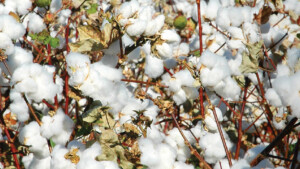
Huma® OM Soil Activator Increases Cotton Yield 20%, With 141% ROI
Background In an earlier in-house research project, it was observed that OM Soil Activator (formerly known as Fertilgold® Soil) caused plants to grow better and improve soil characteristics. The product as then released for field trial status. Objective The focus of this study was to observe if OM Soil Activator could improve cotton yield under
Related Blog Posts

Field Trial: Promax® and Zap® Reduce Nematodes, Increase Yields for Green Chiles
A recent field trial on green chile peppers has concluded that Promax® and Zap® treatment is noticeably effective in lowering the parasitic nematode population while improving the beneficial microbe population. This positive effect on the soil biology boosted the yield of green chile peppers and resulted in an increased profit for the farmer.

From the Field: Journey of the Perfect Valentine’s Day Rose
Centuries before Saint Valentine was marrying couples in ancient Rome, legend says the red rose sprouted from the ground, watered by Aphrodite’s tears and her lover Adonis’ blood. Throughout the ages, the quintessential red rose has been a symbol of love, but have you wondered where it comes from? Most rose production is centralized in

The Right Stuff for Soils and Plants
By Mojtaba Zaifnejad, PhD When applied fertilizers benefit soil health and plant growth, and are readily available to them, it is said that they are bioavailable. The extent of bioavailability of nutrients and fertilizers applied to soil and plants determines their effectiveness in improving soil health and crop yield. In addition to the 4Rs approach,
Related Products
SILI-MAX
SILI-MAX®, carbon-complexed with Micro Carbon Technology®, is a highly available source of silica, which is essential in grains and grasses...
COPPER
Huma's COPPER carbon-complexed with Micro Carbon Technology®, ensures efficient and effective uptake of copper, which is a micronutrient involved in...
STABLESOL POWDER
STABLESOL® POWDER is a water soluble powder produced using a proprietary extraction, modification, and spray dry process. This process yields...