
Welcome to Wastewater Wednesday with Andrew!
Have you heard of the federal Community Project Funding yet? The Massachusetts’s town of Swansea has secured a whopping $1 million in funding through the program for an upcoming sewer collection system upgrade. Swansea is looking to expand growth and draw in more taxpayers and has drawn up and approved plans for a $21 million dollar sewer expansion along Route 6. The town has also gotten creative in allocating funding and used funding from the American Rescue Plan Act during the planning stages of the project. It is always a welcome notion when a growing community sees the importance of sewer upgrades to match anticipated expansion.
Wastewater is not always at the forefront of the debate and is easily overlooked, but planning for it beforehand can save a lot of money and headaches later down the road. Has your community used any federal funding for such projects? The money is there to be used, and it never hurts to have a few extra dollars.
Read more here.
Read more about the FY24 Community Funding Project here.

Related Posts
Huma Gro® Nutrient and Fumigation Replacement Program Increases Strawberry Yields 97%
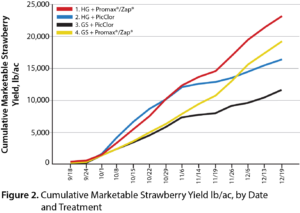
Conducted by: Pacific Ag Research Huma Gro® Products: Ultra-Precision™ Blend (Fresca CA Strawberry Mix), Promax®, and Zap® OBJECTIVE This field trial assessed the effects on strawberry yields of replacing field fumigation with periodic applications of Huma Gro® Promax® and Zap® and replacing a grower’s standard fertilizer program with irrigation-applied Ultra-Precision™ blended liquid Huma Gro® crop

A Farmer’s Fourth of July: The Fireworks Waited
This Week In Ag #122: A Farmer's Fourth of July: The Fireworks Waited For many Midwest farm families, the Fourth of July wasn’t about fireworks or cookouts—it was wheat harvest season. In this personal reflection, Fred recalls a time when the combine came first, soybeans followed close behind, and the only bangs came from the grain bin, not the sky.

Micronutrients Are the Key to Better Yields
Micronutrients play a critical role in plant vigor, yield, and harvest quality. Yet, they are often overlooked when growers develop their nutrient programs. In this article, we provide an overview of what micronutrients are, the roles they play, how availability is affected by soil and other conditions, how to recognize deficiencies, and the important steps to take when developing a micronutrient plan for your crops.