
 Dr. Rita Abi-Ghanem, Senior Director of Research & Development at Bio Huma Netics, Inc., has been selected to speak as part of a Soil Science Society of America (SSSA) panel discussion on Leadership at the 2019 International Soils Meeting, “Soils Across Latitudes, on January 8, 2019, in San Diego, California. Dr. Abi-Ghanem will be representing an Industry perspective. Other panelists include Dr. Johannes Bouma, Emeritus Professor of Soil Science, Wageningen University, Netherlands (International); Dr. Alfred Hartemink, Professor of Soil Science and Dept. Chair, University of Wisconsin, Madison (Academia); Dr. Ole Wendroth, SSSA Incoming President-Elect, Professor at University of Kentucky (SSSA); and Dr. David Lindbo, Director of Soil Science Division, United States Department of Agriculture (Government).
The panel discussion will be held at 10:30 a.m. until 12 noon on Tuesday at the Sheraton Hotel, Spinnaker 1. The discussion will be focused on professional leadership skills needed by students, post-docs, and early career members.
Dr. Abi-Ghanem—a native of Lebanon and a Fulbright Scholar who earned her doctorate in Soil Science from Washington State University—was honored earlier this year when she was selected for two 40-Under-40 awards sponsored by The Phoenix Business Journal and jointly by the editors of Fruit Growers News and Vegetable Growers News. She was previously presented with the Association for International Agriculture 2016 Young Professional Award. She has been Senior Director of Research & Development for Bio Huma Netics, Inc., since 2014.

Related Posts

The South Is Sweating and So Is The Corn
Just step outside. It's brutal. You’ll instantly know it’s “sweating season” across the South and much of the Midwest. Sure, temperatures are hot, consistently now in the upper 90s across the Delta. But it’s the humidity that instantly gets your attention and triggers sweat glands overload. The dew point - aka "the misery index" - indicates the temperature where dew forms: the higher the dew point, the more moisture is in the air. The National Weather Service defines dew points above 75 degrees as “oppressive.” That’s where we’ve consistently been across the Delta; most days reaching the upper 70s.
This Week in Ag #38
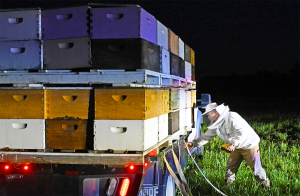
When you’re carving your Halloween pumpkins this week, be sure to thank a bee. That’s because pumpkins are not self-pollinating plants. Unlike cotton and soybeans, where pollen produced within a flower fertilizes the ovary of the same flower on the same plant, pumpkins have specific male and female flowers across their vines. So they need bees to carry pollen between the flowers. Pumpkin growers will rent bee colonies during the growing season to ensure better pollination and higher yields.
This Week In Ag #93
Is ROI still king? Return on investment has long been the primary measure for evaluating product purchase decisions by farmers. The concept seems straightforward: a product delivers x amount more of yield or weight, you multiply the additional yield by the price you receive for your crop, then subtract the cost of the product. That’s how