
38 SPECIAL
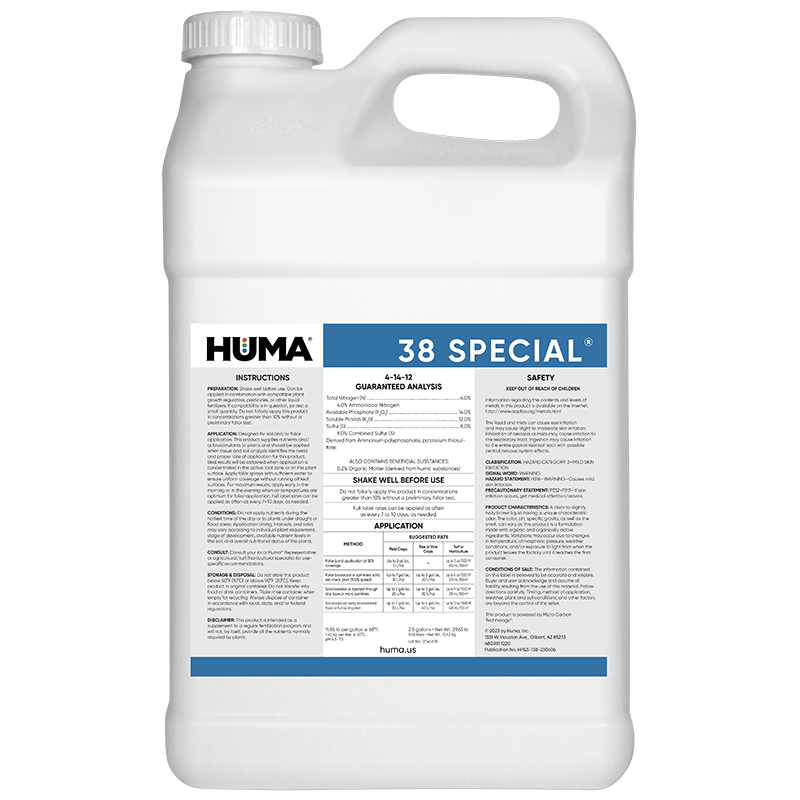
Benefits of Use:
- Stimulates root growth in seedlings and transplants
- Improves plant vigor
- Increases phosphorus levels that promote flowering and fruit set
- Organically complexed and salt-buffered to reduce leaf burn and phytotoxicity
- Foliar nutrients are “leaf friendly” to ensure maximum uptake and translocation
Deficiency Symptoms—When to Apply:
- Plant stress caused by nutrient deficiencies, insects, disease, weather, or chemical/mechanical damage
- Leaf burn or phytotoxicity from foliar applications
- Seedling diseases
FAQs
Related Case Studies

Huma® Ultra-Precision™ Blend Plus Root Dip Increases Strawberry Yields 30%
Objective The purpose of this research project was to evaluate how a special blend of fertilizer solution and a root dip made of Huma® products with Micro Carbon Technology® affect strawberry yield when compared with a control program of grower’s standard fertilizer and a competitor root dip product. Materials & Methods Strawberry cultivar San Andreas

Huma® Breakout® Improves Blueberries Yield in Northwest, With Increased Yield and ROI of 7:1
Background Oregon is one of the top blueberry producing states. Increasing blueberry production in an economical way with a high return on investment will significantly benefit blueberry growers. Breakout®, a yield-enhancing product, has increased the yield of fruit producing crops such as tomatoes. Objectives This field study aimed to test the effects of Huma® Breakout®on

PROUD 3 Fungicide Replacement
Background Huma® fungicide programs with Micro Carbon Technology® provide growers with effective options that can replace synthetic fungicides with a more sustainable and environmentally friendly approach, while providing excellent control and improving crop health, yield and quality. Objective The focus of this study was to assess if 2 of Huma’s products CROP-GARD® (Growth Manager) and




Related Blog Posts

This Week in Ag #52
What are farmers doing during these cold winter days? If they farm in the Midwest, they may be laying tile. I realize this may be a foreign concept to my friends in the west, but in many areas of the Corn Belt, you must often move water out of your fields. In heavier soils, excessive rainwater can remain

Blooming Before Solstice
For years, growers believed soybeans wouldn't flower until after the summer solstice. Today, many soybean fields are proving otherwise. Earlier planting dates and improved management practices are changing crop development timelines, allowing soybeans to capture more sunlight, produce more growth, and ultimately deliver higher yields.

This Week in Ag #22
Twenty years ago, I found myself in the position of operating a farm all by myself. My father, who I was farming with, passed away suddenly that January. So in addition to my full-time ag marketing job, I was flying solo across my family farm in western Illinois.
Related Products

OM GREENS
Huma's OM GREENS is a natural humic and fulvic acid product processed from naturally occurring, oxidized humic substances. It provides a...

OM ZINC
Carbon-complexed with Micro Carbon Technology®, OMRI-Listed® OM Zinc is an organic zinc nutrient derived from zinc sulfate (Zn 10.0%, with...
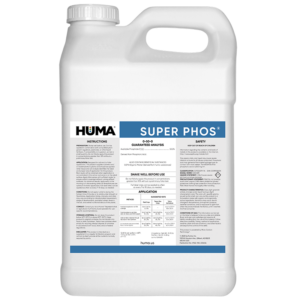
SUPER PHOS
SUPER PHOS®, carbon-complexed with Micro Carbon Technology®, can be foliar-applied, according to label directions, without the risk of phytotoxicity. When...