
OM MICROS
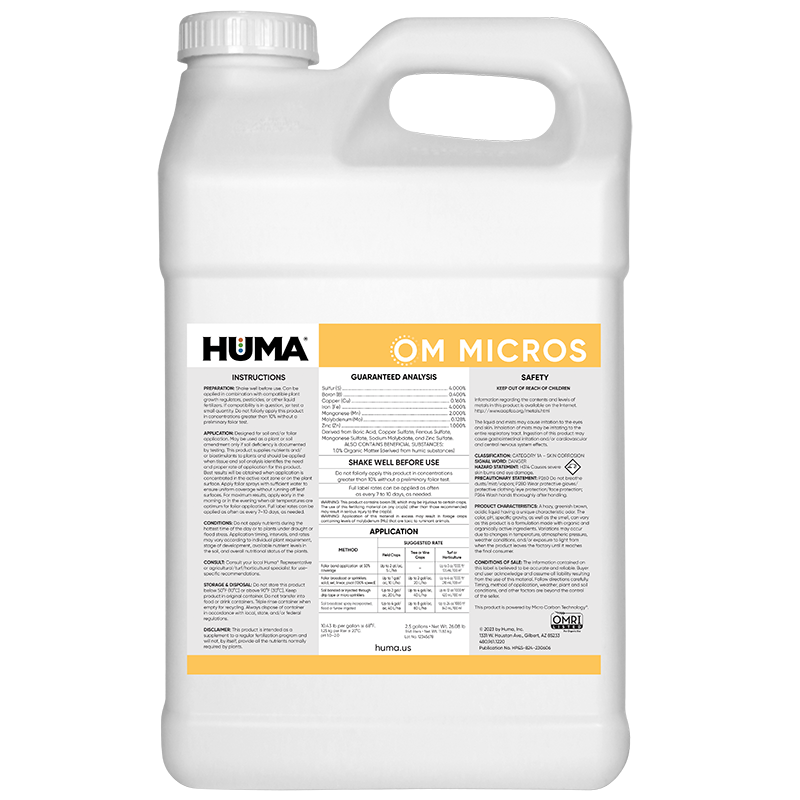
Benefits of Use:
- Micronutrient booster, provides essential plant nutrients in a balanced formulation
- Provides quick crop response and can be applied just prior to actual crop need
- Can be applied foliarly (according to label directions) without risk of phytotoxicity
- Can be effectively tank-mixed with other organic crop inputs
- Resists tie-up in the soil and remains available through the plant root system
- Improves plant vigor
- Provides essential components required in chlorophyll, plant enzyme systems, protein and carbohydrate metabolism, photosynthesis, respiration, vitamins, and hormones
FAQs
Related Case Studies

OM 3-2-4 and OM Micros Liquid Fertilizers Increase Organic Cantaloupe Yield 120%
Summary In this study of Huma® organic macronutrient (OM 3-2-4) and micronutrient (OM Micros) liquid products compared with a grower’s standard treatment on organic cantaloupes applied under field conditions in Arizona, the Huma® organic treatments powered by a proprietary Micro Carbon Technology® resulted in a 120% yield increase with a 3-to-1 return on investment (ROI).

Huma® Organic Fertilizers Easy to Use, Improve Yield on Organic White Corn
Objective The objective of this field trial was for the grower to evaluate the ease of use and the effectiveness of 4 OMRI-Listed liquid Huma® organic crop nutrition products based on known field deficiencies. Materials & Methods The organic producer provided 2 80-acre plots of organic white corn in eastern Nebraska that was at the
Related Blog Posts

Video: Super Phos + Calcium Mixing Stability Test
English and Spanish subtitles are available. In this video, we demonstrate the unique compatibility of our highly concentrated Super Phos® 0-50-0 product when mixed with calcium. In traditional fertilizers, when phosphorus and calcium are mixed they can precipitate and fall out of solution. The resulting calcium phosphate can clog drip emitters and damage sprayers. Our

The Farm Bill That Rocked the 80s (and Beyond)
The 1985 Farm Bill wasn’t just another piece of legislation; it reshaped modern agriculture. Born out of the farm crisis, it introduced conservation programs, supply controls, and payment systems that still influence farming today. Forty years later, its legacy continues to spark debate.

USA250: Looking Back to 1976
As America celebrated its 200th birthday in 1976, farmers were experiencing one of the most prosperous periods in agricultural history. Take a look back at the optimism, growth, and pivotal decisions that helped shape the future of American agriculture.
Related Products
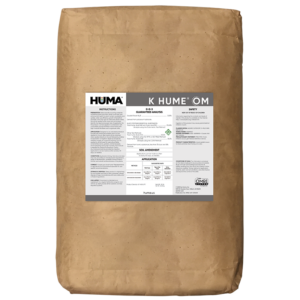
K HUME OM
Huma's K HUME® OM is a natural humic and fulvic acid product processed from naturally occurring, oxidized humic substances. Humic...

LUCKY 7
LUCKY 7® is a broad-spectrum liquid nutrient formulation carbon-complexed with Micro Carbon Technology®. It's a complete nutrient package containing most macro-...

38 SPECIAL
38 SPECIAL®, carbon-complexed with Micro Carbon Technology®, is designed for a wide range of uses and can be applied to...