
FAQs
Related Videos
Huma Minute – What is Humic Acid with Cory Ritter
Huma Mid-West Regional Sales Manager Cory Ritter discusses the different types of humic acids and what they do for your plants.
Learn More
Huma Minute – Humate Application Rates with Cory Ritter
Huma Mid-West Regional Sales Manager Cory Ritter discusses humate application rates and why there is not a one-size fits all rate.
Learn More
Huma Minute – Humic Acid Testing Methods with Cory Ritter
Huma Mid-West Regional Sales Manager Cory Ritter discusses the differences in the various humic acid testing methods.
Learn More
Related Products
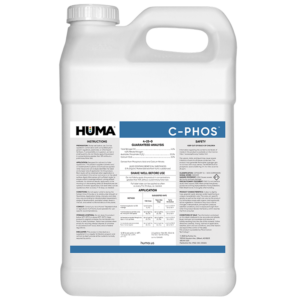
C-PHOS
C-PHOS™, carbon-complexed with Micro Carbon Technology®, nourishes crops and corrects calcium and phosphorus deficiencies in a uniquely clear and stable...
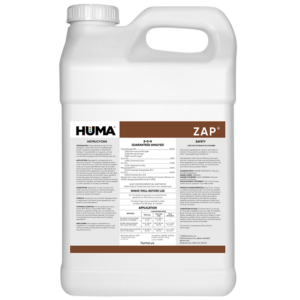
ZAP
ZAP® carbon-complexed with Micro Carbon Technology® is an organic-based formulation of nutrients for feeding the native beneficial soil microbial balance....

OM IRON
Carbon-complexed with Micro Carbon Technology®, OMRI-Listed® OM IRON is an organic iron nutrient derived from ferrous sulfate (Fe 5.0%, with...
Related Case Studies
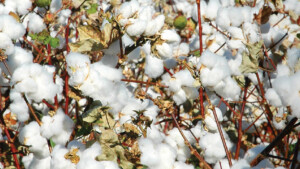
Huma Pro® Mix, pH-Stable Liquid Humic Acid Product, Increases Cotton Lint Yield
Conducted by: Bruce Kirksey, PhD, Agricenter International, Memphis, Tenn. Huma® Product: Huma Pro® Mix Background Scientific research shows that humic and fulvic acids are biostimulants—enhancing nutrient availability and uptake, improving plant root growth and mass, and impacting both crop yield and quality. Humic acid products are not all the same. They are marketed in solid

Huma Pro® Mix, pH-Stable Liquid Humic Acid Product, Increases Corn Yield
Conducted by: Bruce Kirksey, PhD, Agricenter International, Memphis, Tenn. Huma® Product: Huma Pro® Mix Background Scientific research shows that humic and fulvic acids are biostimulants—enhancing nutrient availability and uptake, improving plant root growth and mass, and impacting both crop yield and quality. Humic acid products are not all the same. They are marketed in solid
Related Blog Posts
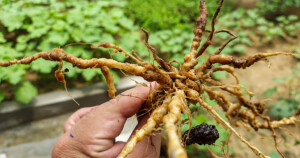
Nematodes: Friends, Foes, or Both?
During field visits, I often come across people who ask – what exactly are nematodes? More often than not, many of them associate nematodes with everything bad that happens to their crops. Is this true? We’ll get into that too, but first, what exactly are nematodes? Nematodes are invertebrate worms that have been around
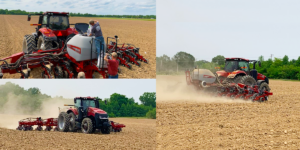
This Week in Ag #7
For most farmers, April means the start of planting season. It’s a lot like opening day for a baseball team: heavy planning, great excitement and anticipation, lots of optimism and more than a few watch outs. So when exactly do farmers start planting? While they all have a plan, Mother Nature usually has the final say. There is

BHN Approved to Import Fertilizers to Brazil
Bio Huma Netics, Inc., producer of Huma Gro® and Fertilgold® Organics liquid crop nutrition and protection products, has been granted an unlimited import license to bring fertilizers into Brazil for commercial sale.