
HUMA PRO MIX
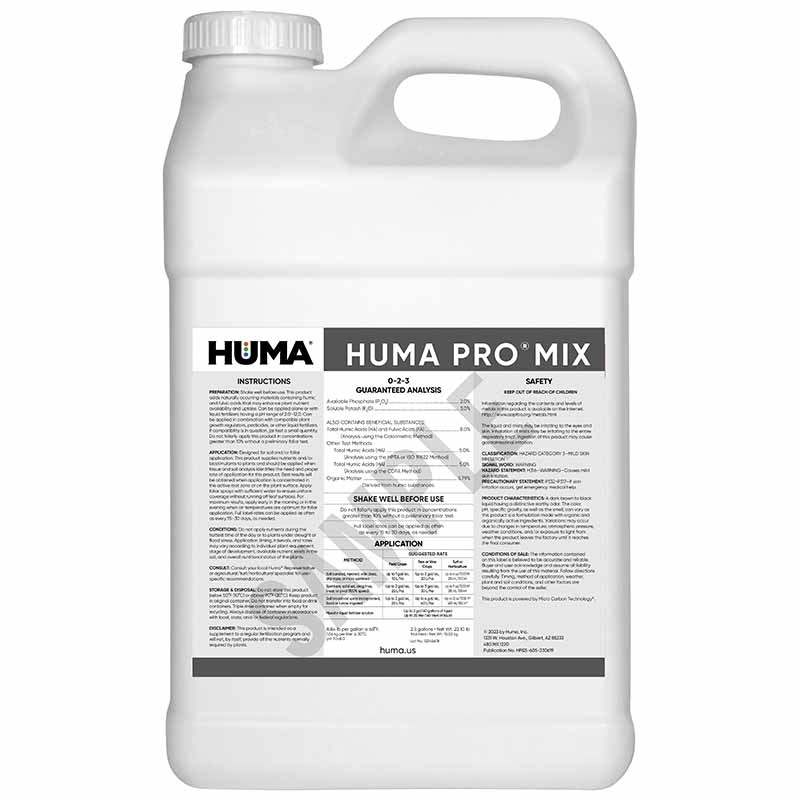
Benefits of Use:
- Can be tank mixed with other agrochemicals within a wide pH range (2.0–12.0) without gumming up application equipment.
- Short-term soil organic matter building
- Short-term soil microbial activation
When to Apply
- Any time of the year, but recommended to use with pre-plant and post-harvest applications
FAQs
Related Videos
Huma Minute – What is Humic Acid with Cory Ritter
Huma Mid-West Regional Sales Manager Cory Ritter discusses the different types of humic acids and what they do for your plants.
Learn More
Huma Minute – Humate Application Rates with Cory Ritter
Huma Mid-West Regional Sales Manager Cory Ritter discusses humate application rates and why there is not a one-size fits all rate.
Learn More
Huma Minute – Humic Acid Testing Methods with Cory Ritter
Huma Mid-West Regional Sales Manager Cory Ritter discusses the differences in the various humic acid testing methods.
Learn More
Related Case Studies
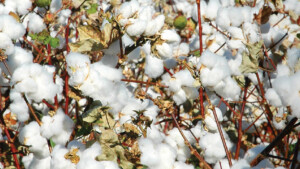
Huma Pro® Mix, pH-Stable Liquid Humic Acid Product, Increases Cotton Lint Yield
Conducted by: Bruce Kirksey, PhD, Agricenter International, Memphis, Tenn. Huma® Product: Huma Pro® Mix Background Scientific research shows that humic and fulvic acids are biostimulants—enhancing nutrient availability and uptake, improving plant root growth and mass, and impacting both crop yield and quality. Humic acid products are not all the same. They are marketed in solid

Huma Pro® Mix, pH-Stable Liquid Humic Acid Product, Increases Corn Yield
Conducted by: Bruce Kirksey, PhD, Agricenter International, Memphis, Tenn. Huma® Product: Huma Pro® Mix Background Scientific research shows that humic and fulvic acids are biostimulants—enhancing nutrient availability and uptake, improving plant root growth and mass, and impacting both crop yield and quality. Humic acid products are not all the same. They are marketed in solid
Related Blog Posts

The Last Hunter’s Moon We Shared
Twenty-five years ago, after finishing the corn harvest on my wife’s family farm, our family paused beneath a brilliant orange Hunter’s Moon. We didn’t know it would be the last one we’d share with Dad. Today, that beautiful autumn night remains a treasured memory of family, faith, and one of God’s great masterpieces.

How Dry Conditions Drive #Plant25 Decisions
There’s an old saying in farming: “Plant in dust, your bins will bust”. The premise is that dry soils will encourage faster, deeper root growth early in the season, which will lead to more robust root systems and stronger plants throughout the growing season. Conversely, crops planted in ideal moisture conditions may become lazy and their roots remain shallow, causing potential problems later in the season when summer heat and dry conditions often arise. If that old adage is true, then Midwest farmers would be looking at a bumper crop in 2025. Then again, there’s dry, then there’s very dry.

The Christmas Cactus
Blooming just in time for the holidays, the Christmas cactus is more tropical than desert-tough. Native to the Brazilian rainforest, this festive plant thrives in humid conditions, indirect light, and even grows on trees, making it a unique holiday classic with a surprising backstory.
Related Products
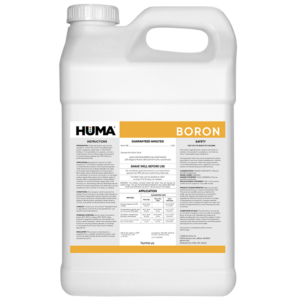
BORON
Huma's BORON is carbon-complexed with Micro Carbon Technology®, ensures efficient and effective uptake of boron, which is required for cell...
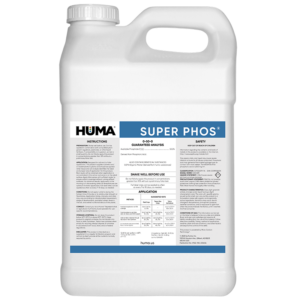
SUPER PHOS
SUPER PHOS®, carbon-complexed with Micro Carbon Technology®, can be foliar-applied, according to label directions, without the risk of phytotoxicity. When...

BORO-PRO
Huma's BORO-PRO® is carbon-complexed with Micro Carbon Technology®, ensures efficient and effective uptake of boron, which is required for cell...