
FAQs
Related Videos
Huma Minute – What is Humic Acid with Cory Ritter
Huma Mid-West Regional Sales Manager Cory Ritter discusses the different types of humic acids and what they do for your plants.
Learn More
Huma Minute – Humate Application Rates with Cory Ritter
Huma Mid-West Regional Sales Manager Cory Ritter discusses humate application rates and why there is not a one-size fits all rate.
Learn More
Huma Minute – Humic Acid Testing Methods with Cory Ritter
Huma Mid-West Regional Sales Manager Cory Ritter discusses the differences in the various humic acid testing methods.
Learn More
Related Case Studies

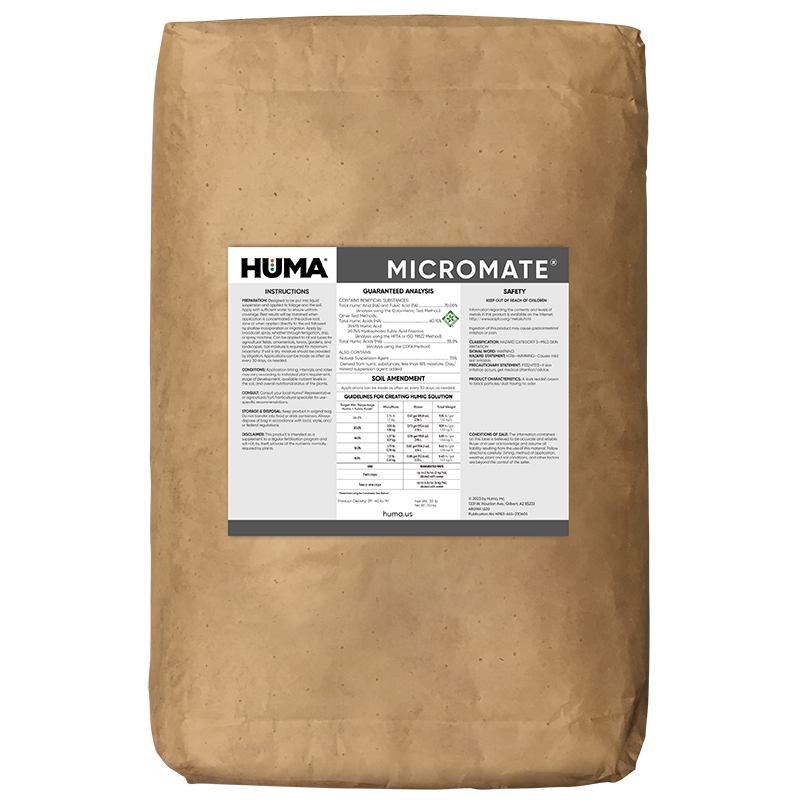
Huma® MicroMate Humic Acid Makes More Blooms, Faster, on Commercial Petunias
Objective Speeding up the maturity timing of flowers and having more flowers on commercial ornamental plants will make them more marketable and help flower growers produce more potted flower plants per year. The focus of this study was to assess the effects of a natural humic product from Huma® called Micromate on the speed of
Related Blog Posts
What Differentiates Humic and Fulvic Acids?
By Richard Lamar, PhDDirector of Humic ResearchBio Huma Netics, Inc. For centuries, humic acids (HA) were thought to be composed of much larger molecules than those found in fulvic acids (FA). However, the application of Fourier-transform ion cyclotron resonance mass spectrometry (FT-ICR MS), which separates molecules on the basis of molecular weight, demonstrates that the

The Price of Scarcity: Iowa Farmland at a Record High
A record-breaking $32,000-per-acre farm sale in northwest Iowa is turning heads across agriculture. While the math behind today’s farmland prices may not pencil out, limited land supply, prime soils, and motivated buyers continue to push values to historic highs.
This Week in Ag #72
How do you just find 1.5 million acres? That’s like finding two Rhode Islands. But that’s what USDA did on Friday, when they upped US corn acreage to 91.5 million, from the 90 million acres estimated in March. Predictably, that sent the market tumbling down. New corn prices are now trading in the $3s. These are
Related Products
STABLESOL LIQUID
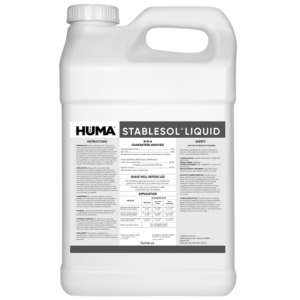
STABLESOL® LIQUID is an activated liquid humic-acid source derived from a highly oxidized, naturally occurring carbon and mineral deposit. STABLESOL LIQUID treats...
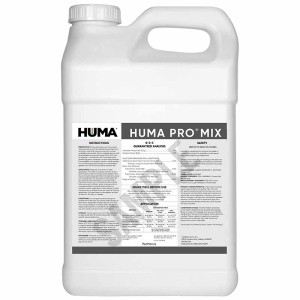
HUMA PRO MIX
HUMA PRO® MIX, carbon-complexed with Micro Carbon Technology®, is an activated liquid humic-acid source derived from a highly oxidized, naturally occurring...
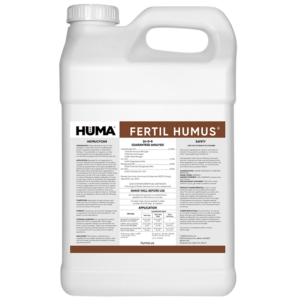
FERTIL HUMUS
FERTIL HUMUS® carbon-complexed with Micro Carbon Technology® has the nutrients necessary to feed beneficial fungal activity in the soil and...