
X-TEND
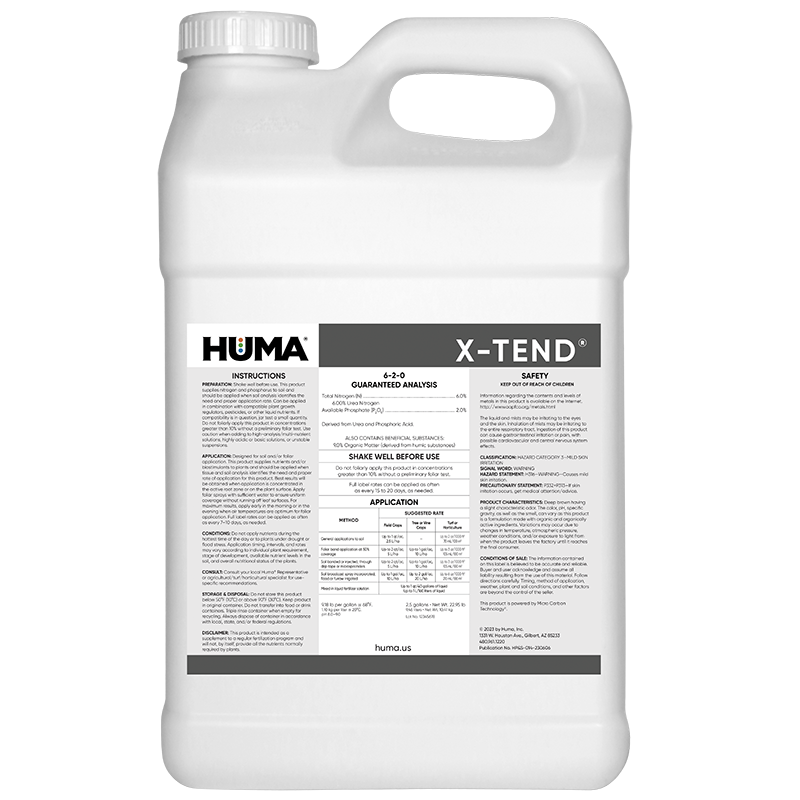
Benefits of Use:
- Complexes nutrients for easier plant uptake
- Encourages root growth
- Buffers salts in high alkaline or sodium soils
Deficiency Symptoms – When to apply
- Loss of nutrients by leaching below root zone
- Fertilizer tie-ups in alkaline conditions
- Salt and chemical toxic damage to plant
FAQs
Related Videos
Huma Minute – X-Tend Enhancing Fertilizer with Cory Ritter
Huma Minute - X-Tend Enhancing Fertilizer with Cory Ritter - Huma Inc.
Learn More
Huma Minute – X-Tend on Soybeans with Steve Walmsley – Huma Inc.
Huma Mid-South Regional Sales Manager Steve Walmsley reports on a field trial with Huma X-Tend on Soybeans.
Learn More
Mid South Stories From The Field
Huma Gro® farming products increase yields; bring life into the soil; reduce soil salinity; treat chemical damage and water damage from flooding; stimulate plant growth; and strengthen plants against pests and disease. Farmers in
Learn More
Related Case Studies

Huma® X-Tend® Increases Glyphosate Effectiveness Against Resistant Weeds
Objective Over the years, some weeds have developed resistance to common herbicides such as glyphosate. To overcome this hurdle, some growers may bump up the rates or add other herbicides or products with different mechanisms/modes of action into the tank mix. Such approaches have had mixed results over the long run and have increased the

X-TEND Increases Soybean Yields
Background Huma’s X-TEND® has been applied to dry fertilizer and liquid blends to improve fertilizer effectiveness and to decrease nutrient losses. X-TEND may also be utilized to treat the soil and the plants directly to improve nutrient use efficiency, and act as a biostimulant to improve plant growth, and ultimately look at an increase in
Huma® Improves Alfalfa Quality In the Southwest
Background All Huma® Inc. products are based on extractions of humic substances and other materials that can stimulate plant growth and improve crop quality. Objective The objective of this field trial was to evaluate the efficacy of applying Huma® products, specifically Encapsalt®, Super Phos®, Max Pak®, 44 Mag,® Vitol®, Super Nitro®, Breakout®, Fertil Soil®, Iro-Max®,


Related Blog Posts

BHN Approved to Import Fertilizers to Brazil
Bio Huma Netics, Inc., producer of Huma Gro® and Fertilgold® Organics liquid crop nutrition and protection products, has been granted an unlimited import license to bring fertilizers into Brazil for commercial sale.

Discover Three Products to Prep Your Soil for Spring Planting
As I begin to write, I’m reminded of an excerpt from Ode to the West Wind — “If winter comes, can spring be far behind?” Well, spring is certainly not far behind, especially for those of us working in the agriculture sector. Winter can be a tricky time for growers, as many of them face

A Farmer’s Fourth of July: The Fireworks Waited
This Week In Ag #122: A Farmer's Fourth of July: The Fireworks Waited For many Midwest farm families, the Fourth of July wasn’t about fireworks or cookouts—it was wheat harvest season. In this personal reflection, Fred recalls a time when the combine came first, soybeans followed close behind, and the only bangs came from the grain bin, not the sky.
Related Products
FERTIL HUMUS
FERTIL HUMUS® carbon-complexed with Micro Carbon Technology® has the nutrients necessary to feed beneficial fungal activity in the soil and...
COPPER
Huma's COPPER carbon-complexed with Micro Carbon Technology®, ensures efficient and effective uptake of copper, which is a micronutrient involved in...
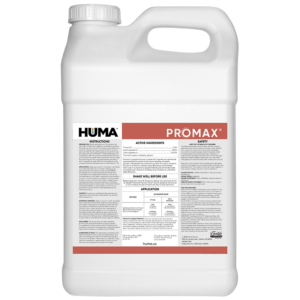
PROMAX
PROMAX® is an OMRI-Listed®, EPA-exempt crop protection product. It is a protective and curative pesticide recommended for control of plant...