
FAQs
Related Case Studies
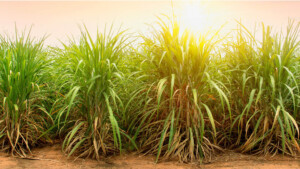
Huma® Products on Sugar Cane Result in 14x Less P and 32x Less K Required, Plus Increased Yield and Net Return
Background Humates and plant growth stimulators can positively influence a crop such as sugar cane to produce a higher yield. Objective The focus of this study was to observe how fall application of Huma® products Fertil Soil®, a source of soil nutrients and humates, and Breakout®, which stimulates growth, would affect sugar cane production. The

Huma® Breakout® Improves Blueberries Yield in Northwest, With Increased Yield and ROI of 7:1
Background Oregon is one of the top blueberry producing states. Increasing blueberry production in an economical way with a high return on investment will significantly benefit blueberry growers. Breakout®, a yield-enhancing product, has increased the yield of fruit producing crops such as tomatoes. Objectives This field study aimed to test the effects of Huma® Breakout®on
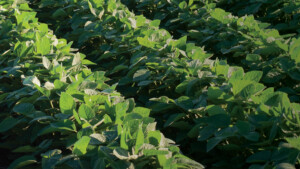
Huma® Program Increases Soybean Yields 21%, With an ROI of 389%
Objective This field trial assessed the effects of 2 foliar applications of 2 combinations of Huma® products versus a control during the growing season on the yield of soybeans (Glycine max, variety AG48X7) when compared with the grower’s standard crop nutrition program. Materials & Methods This trial was set up in a complete randomized-block design




Related Blog Posts
This Week In Ag #90
The year was 1984. It was totally awesome. Ronald Reagan had just carried 49 states to win re-election. Purple Rain reigned over the air waves. Daniel-san had defeated Cobra Kai (well, for the first time). Steve Jobs introduced a little beige box that would soon change the world. Yet in farm country, one news item
This Week in Ag #77
Farmers waiting on a summer market rally must feel like teenagers waiting by the phone to be asked to the dance. Only their prospects are much dimmer. Capitalizing on summer rallies is how many farmers base their marketing plans. When you chart commodity prices throughout this century, highs typically spike during the summer months. That’s

This Week In Ag #96
The greatest event in history took place at a farm setting, in a stable. The first to bear its witness were farmers, the shepherds. Merely coincidences? I think not. Here’s wishing you a Very Merry Christmas!
Related Products

OM ZINC
Carbon-complexed with Micro Carbon Technology®, OMRI-Listed® OM Zinc is an organic zinc nutrient derived from zinc sulfate (Zn 10.0%, with...
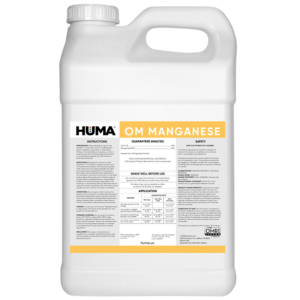
OM MANGANESE
Carbon-complexed with Micro Carbon Technology®, OMRI-Listed® OM MANGANESE is an organic manganese nutrient derived from manganese sulfate (Mn 5.0%, with...

OM SOIL ACTIVATOR
Carbon-complexed with Micro Carbon Technology®, OMRI-Listed® OM SOIL ACTIVATOR improves soil structure and enhances the beneficial soil microbial community. This...