
FAQs
Related Case Studies
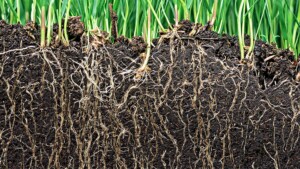
Huma Pro® Stimulates Rhizophagy Cycle of Microbes to Increase Root Growth
Objective The purpose of this research project was to evaluate how humic acids stimulate microbial activity and initiation of the rhizophagy cycle (in which plants cultivate microbes on their roots and then absorb them to extract their nutrients). Huma® Huma Pro®, a liquid 6% humic acid product, was used as the humic acid biostimulant source.

Huma® OM Liquid HA 16 With Micro Carbon Technology® Improves Spring Wheat Yield With 60% Increased ROI
Background Humic substances have been shown to improve crop yield. Solid and liquid forms of humic substances with high levels of organic acids can be produced by incorporating Micro Carbon Technology®. Some are suitable for conventional and others for organic farming. Huma® OM Liquid HA 16, OMRI-Listed for organic farming, is a liquid form of
Huma® OM 1-3 mm Organic Humates Improve Potato Yield by 9%, With 5:1 ROI
Background Scientific research shows that humic and fulvic acids are biostimulants—enhancing nutrient availability and uptake, improving plant root growth and mass, and impacting both crop yield and quality. Objective The focus of this study was to assess the effect of pre-plant application of a raw humic product on potato yield. Materials & Methods One week

Related Blog Posts

Welcome to Huma®: Humic Solutions with a Human Touch
I am extremely proud to officially unveil our company’s new branding and name. We are now Huma®– a 50-year-old legacy ready to be reintroduced to the world! It is a strategic decision to shorten our name from Bio Huma Netics® (BHN) to Huma® and we are confident that this progressive move is in our company

Q&A: Leveraging Biostimulants and Biofertilizers for Sustainable Growth
Fred Nichols, Chief Sales and Marketing Officer at Huma®, shared his perspective in a recent article on biostimulants and biofertilizers, published in CropLife and American Fruit Grower Magazine. In the article, Fred discusses the growing role of these products in sustainable agriculture, their benefits, and their impact on crop production. Below are the questions posed
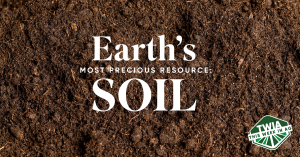
This Week In Ag #94
On Thursday we celebrate #WorldSoilDay. Along with water, soil is Earth’s most precious resource. That’s because 95% of our food comes from soil. The importance of nurturing soil can be traced back to Biblical times. Jesus himself spoke of the importance of seeds falling on good soil. While soil health has become a buzzword in today’s
Related Products
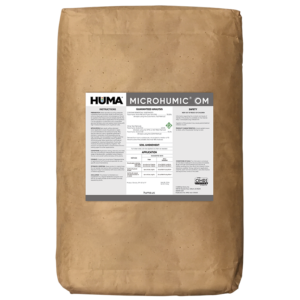
MICROHUMIC OM
The Organic Solution for Stimulating Seeds, Soil, and Crops OMRI-Listed® as both a soil amendment and as a seed treatment,...
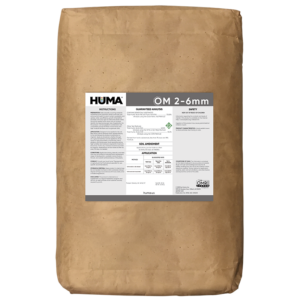
OM 2-6 mm
Huma's OM 2–6 mm is a natural humic and fulvic acid product processed from naturally occurring, oxidized humic substances. It provides...
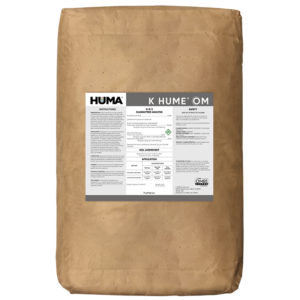
K HUME OM
Huma's K HUME® OM is a natural humic and fulvic acid product processed from naturally occurring, oxidized humic substances. Humic and...