
FAQs
Related Case Studies

Bio Energizer® Reduces Sludge at Small N.M. Municipal Facility
Problem A small town in New Mexico (pop. 1,300) had a municipal wastewater system with a flow rate of 50,000 gallons per day. The system included a series of three lagoons that tapered to a depth of 13 feet. Pond 1 had an average sludge depth of 1.9 feet, Pond 2 averaged 3.5 feet, and
Super Phos® Lowers Papermill Operating Costs in China
Problem The existing wastewater treatment system uses 600 kg/day of diammonium phosphate (DAP) to provide the needed phosphorus concentration to maintain a healthy microbial population to treat wastewater. These microorganisms break down the organic matter being discharged from the paper processing facility. Without the correct concentration of available phosphorus, the microorganisms are unable to grow
Bio Energizer® Reduces Costs and Turbidity in Paperboard Lagoons at Kentucky Papermill Wastewater Facility
Problem A paper mill wastewater facility was treating 940 tons of paper bags, recycled linerboard, and corrugating medium, daily. The mill was interested in improving wastewater operating efficiency and lowering operating expenses over their standard polymer usage. The plant was experiencing filamentous bacteria, solids, and bulking issues in the final clarifier. It was discharging 4,000
Related Blog Posts

Micro Carbon Technology® for a Greener, Cleaner World
Probiotic Solutions® products are manufactured with our exclusive, proprietary Micro Carbon Technology® that consists of very small carbon-rich molecules. These ultra-fine molecules help efficiently reduce biosolids, improve settleability and promote dissolved oxygen.

Healthy Bacteria Are Vital to Wastewater Treatment
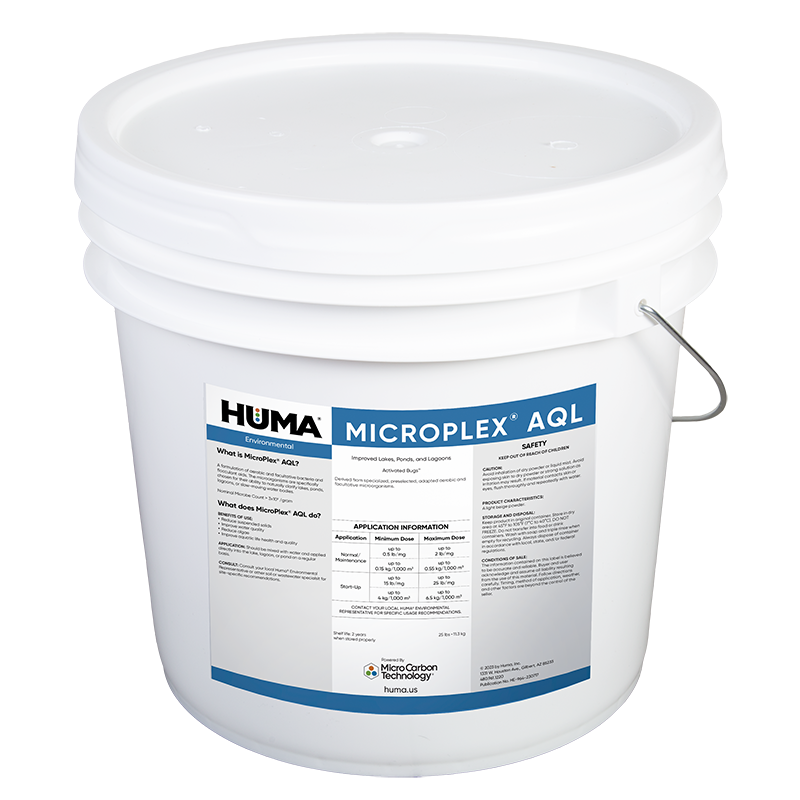
Bacteria break down organic material in wastewater and form the floc that settles and separates solids from liquids. Controlling F/M ratio–a vital component to creating a favorable environment for wastewater bacteria–can be accomplished through the use of bioremedial products.
Bio Energizer, Micatrol & Bio Feed Reduce COD and Stabilize Wastewater Treatment for Plastic Producer
A plastic manufacturer in Taiwan needed a new process to efficiently treat elevated incoming chemical oxygen demand (COD) to comply with stringent EPA regulations for effluent discharge. The plant is an activated sludge treatment system with an influent of approximately 2,000 cubic meters per day (CMD) which is equivalent to approximately 530,000 gallons per day
Related Products
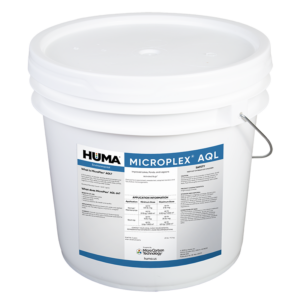
MicroPlex® AQL
Huma® MicroPlex® AQL is a formulation of aerobic and facultative bacteria and flocculant aids. The microorganisms are specifically chosen for their ability...
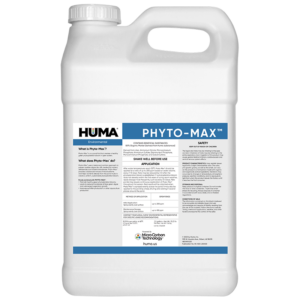
Phyto-Max
Huma® Phyto-Max™ is a nutrient complex that creates a healthy green phytoplankton bloom in open water systems. Phyto-Max™ uses a...
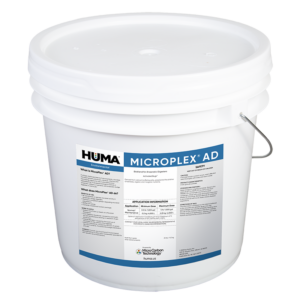
MicroPlex® AD
Huma® MicroPlex® AD is a unique, balanced blend of micronutrients, microbes, microbial growth enhancers, minerals, vitamins,and neutralizing agents for use in stimulating...