
Super Phos (HE)
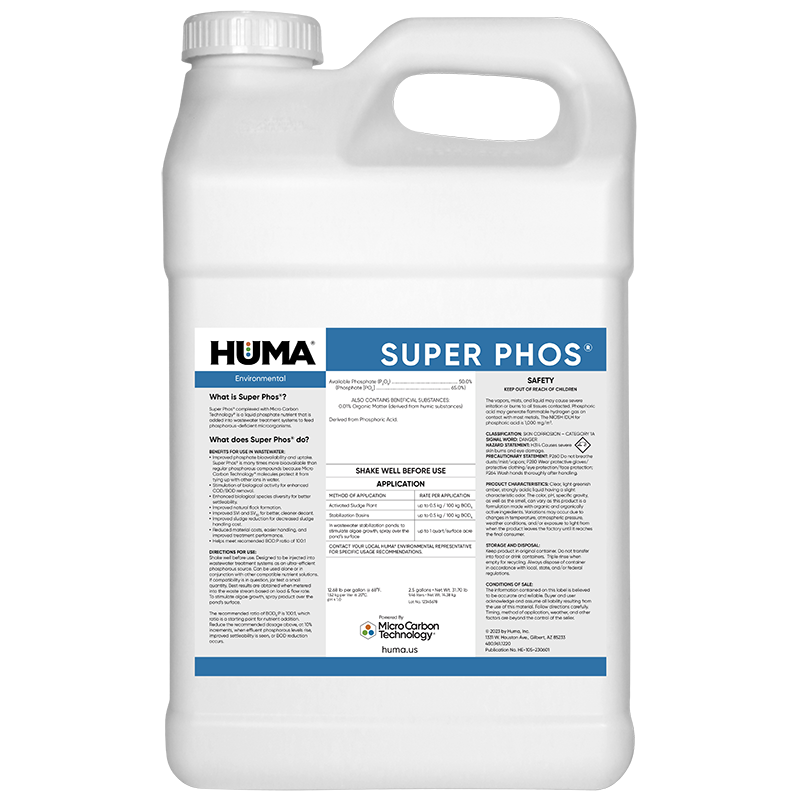
Benefits of Use:
- Helps to meet BOD:P ratio of 100:1
- Improved phosphate bioavailability and uptake. Super Phos® is many times more bioavailable than regular phosphorous compounds because Micro Carbon Technology® molecules protect it from tying up with other ions in water.
- Stimulation of biological activity for enhanced COD/BOD removal.
- Enhanced biological species diversity for better settleability.
- Improved natural floc formation.
- Improved SVI and SV30 for better, cleaner decant.
- Decreased phosphate levels in the effluent stream. Because Super Phos® is more bioavailable less phosphorus is applied, resulting in lower discharges. Typically, one-fourth to one-tenth the amount of Super Phos® is used when compared with common-grade phosphoric acid nutrients.
- Reduced material costs, easier handling, and improved treatment performance.
Problem Conditions Improved:
- Formation of insoluble phosphorous precipitates
- Foaming caused by filamentous bacteria
- Excess sludge production
- Excess phosphorus levels in effluent
- Settleability concerns
- Tankage/Storage concerns
FAQs
Related Case Studies

Super Phos® Lowers Papermill Operating Costs in China
Problem The existing wastewater treatment system uses 600 kg/day of diammonium phosphate (DAP) to provide the needed phosphorus concentration to maintain a healthy microbial population to treat wastewater. These microorganisms break down the organic matter being discharged from the paper processing facility. Without the correct concentration of available phosphorus, the microorganisms are unable to grow
Related Blog Posts
Microplex® JS Jump Starts Utah Summer Camp WWTF
by Heather Jennings, PE If I had to choose a favorite of our microbial products it would have to be our Microplex® JS product. It is a two-part formulation of a live synergistic blend of natural, Class I bacteria, specifically chosen for their ability to rapidly degrade solids, fats, lipids, proteins, detergents, hydrocarbons, and other
Probiotic Solutions® Hosted Wastewater Microbiology Course in Arizona
By Heather Jennings,Director, Probiotic Solutions® In the last week of August, Probiotic Solutions® hosted a Wastewater Microbiology Course at our headquarters in Gilbert, Arizona. This educational event with Dr. Toni Glymph-Martin, cosponsored by AZ Water Association and Rural Water Association of Arizona (RWAAZ), successfully served its purpose of helping industry professionals learn more about several

NMRWA 2019 Instructor of the Year Award Presented to Probiotic Solutions® Project Engineer, Heather Jennings
By Jael Batty Bio Huma Netics, Inc. congratulates Heather Jennings, Project Engineer for Probiotic Solutions®, who was awarded Instructor of the Year at the New Mexico Rural Water Association (NMRWA) Conference on April 10. Ms. Jennings, who has been training and presenting for five and a half years, teaches basic and advanced wastewater math for
Related Products
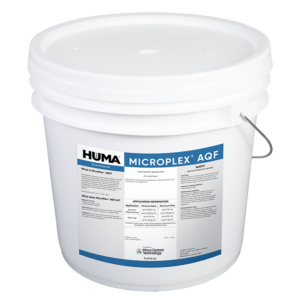
MicroPlex® AQF
Huma® MicroPlex® AQF is a formulation of aerobic and facultative bacteria and flocculant aids. The microorganisms are specifically chosen for their ability...
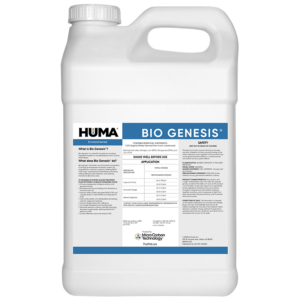
Bio Genesis
Solution for Wastewater Settling, Filamentous Bacteria, Turbidity, and Power Consumption Huma® Bio Genesis® is a formulation of nutrients, organic acids,...
MICROPLEX HC
Huma's MICROPLEX® HC is a highly concentrated blend of natural bacteria specifically chosen for their ability to metabolize petroleum hydrocarbons and treat...