
FAQs
Related Videos
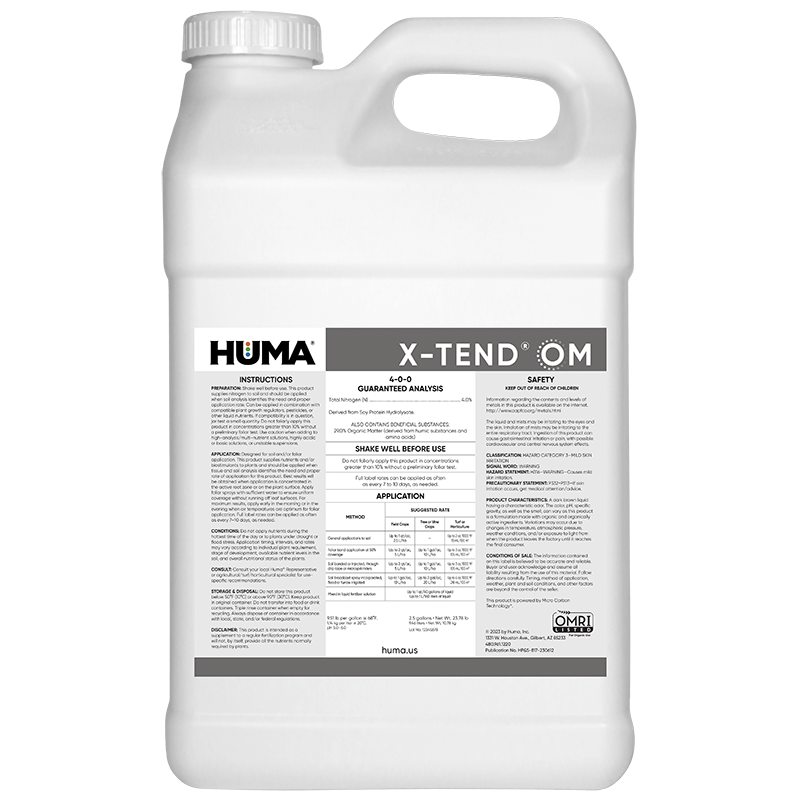
Huma Minute – X-Tend Enhancing Fertilizer with Cory Ritter
Huma Minute - X-Tend Enhancing Fertilizer with Cory Ritter - Huma Inc.
Learn More
Huma Minute – X-Tend on Soybeans with Steve Walmsley – Huma Inc.
Huma Mid-South Regional Sales Manager Steve Walmsley reports on a field trial with Huma X-Tend on Soybeans.
Learn More
Related Case Studies

Promax® Controls Nematodes for English Boxwood Ornamental Plants
Objective This two-year trial aimed to assess the suppression effects of Promax® and 2 types of beneficial nematode treatments (S. feltiae and S. riobrave) versus a control on plant-parasitic nematodes (Stunt, Lance, Ring, and Spiral) for English Boxwood (Buxus sempervirens L. var. suffruticosa) ornamental plants. Materials & Methods Each experimental unit consisted of 2 English

Huma® Breakout® Improves Blueberries Yield in Northwest, With Increased Yield and ROI of 7:1
Background Oregon is one of the top blueberry producing states. Increasing blueberry production in an economical way with a high return on investment will significantly benefit blueberry growers. Breakout®, a yield-enhancing product, has increased the yield of fruit producing crops such as tomatoes. Objectives This field study aimed to test the effects of Huma® Breakout®on

One-Hour Tissue Absorption Study
Background When applying foliar sprays, it’s highly beneficial for crop nutrients to quickly enter the plant tissue. Farmers often have a short application window and need to make sure the nutrients get into the plant prior to rain Objective Observe how fast a foliar application of Huma® Super Potassium® (0-0-40), powered by Micro Carbon Technology®,



Related Blog Posts

Summer Blues to Fall Optimism
After a rough summer, grain markets are heading into fall with renewed optimism. Corn, wheat, soybeans and cotton have all rallied as weather, geopolitical tensions and global supply concerns reshape the outlook.

This Week in Ag #57
“What are you planting this year?” That may not sound like a trick question, considering it’s already mid-March. But ask any farmer south of the Mason-Dixon line that question and you’ll likely see their shoulders shrug. You see, unlike in the West, where permanent crops and processor contracts make planting decisions more straight-forward, or in the

Beef Is More Than a Business, It’s a Passion.
Beef Is More Than a Business, It’s a Passion. Few professions capture our imagination like ranching. There’s an undeniable romanticism attached to cowboy culture. Taylor Sheridan has made a career depicting it. And let’s be real, they don’t make movies or write songs about pork and poultry producers. Western lifestyle is at a fever pitch. Brands like Ariat and Wrangler are thriving. And so is the cattle industry. Beef prices are enjoying record highs. And when it comes to producing beef, nobody does it better than the American cowboy. US cattlemen produce over 21% of the world’s beef supply – 28 billion pounds annually – ranking #1 in the world. Yet they do it with just 6% of the world’s cattle herd.
Related Products

OM SOIL ACTIVATOR
Carbon-complexed with Micro Carbon Technology®, OMRI-Listed® OM SOIL ACTIVATOR improves soil structure and enhances the beneficial soil microbial community. This...
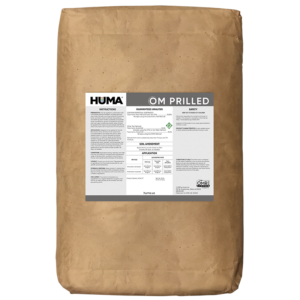
OM PRILLED
OMRI-Listed® OM PRILLED is a natural humic and fulvic acid product processed from naturally occurring, oxidized humic substances. It provides...
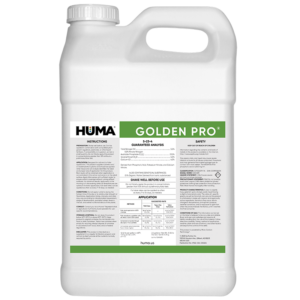
GOLDEN PRO
GOLDEN PRO®, carbon-complexed with Micro Carbon Technology®, is a unique formulation that provides plants with the nutrients to feed the...