
SIL-K
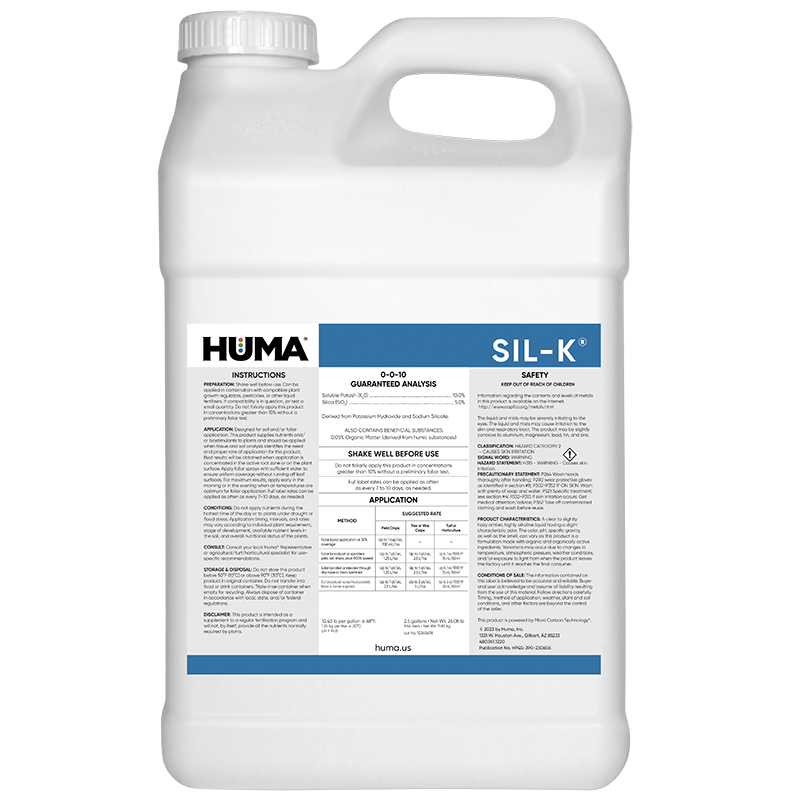
Benefits of Use:
- Increases the strength and rigidity of the plant cells
- Reduces the tendency of crops to wilt during the initial stages of drought
- Indirectly increases resistance to environmental stresses
When to Apply:
- During times of drought or heat stress
- In high traffic-wear areas
- When stronger leaf blades are needed for heat or wear tolerance
- When inadequate potassium/silica levels are found during tissue or soil analysis
FAQs
Related Products
C-PHOS
C-PHOS™, carbon-complexed with Micro Carbon Technology®, nourishes crops and corrects calcium and phosphorus deficiencies in a uniquely clear and stable...
OM COBALT
Carbon-complexed with Micro Carbon Technology®, OMRI-Listed® OM COBALT is an organic cobalt nutrient derived from cobalt sulfate (Co 5.0%, with...
K HUME OM
Huma's K HUME® OM is a natural humic and fulvic acid product processed from naturally occurring, oxidized humic substances. Humic...
Related Case Studies

Super Phos® Multi-State Midwest Trial
Background Application of phosphorus (P) fertilizers—such as triple super phosphate (TSP), monoammonium phosphate (MAP), diammonium phosphate (DAP), liquid ammonium polyphosphate (APP), and other forms—can be inefficient and, at times, not environmentally friendly. A technology that can mitigate these P fertilizer challenges without compromising yield and return on investment is highly desirable. Huma® Super Phos® is

Huma® Ultra-Precision™ Blend Plus Root Dip Increases Strawberry Yields 30%
Objective The purpose of this research project was to evaluate how a special blend of fertilizer solution and a root dip made of Huma® products with Micro Carbon Technology® affect strawberry yield when compared with a control program of grower’s standard fertilizer and a competitor root dip product. Materials & Methods Strawberry cultivar San Andreas
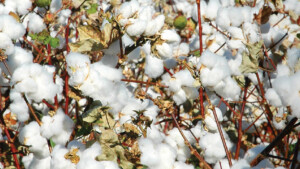
Huma Pro® Mix, pH-Stable Liquid Humic Acid Product, Increases Cotton Lint Yield
Conducted by: Bruce Kirksey, PhD, Agricenter International, Memphis, Tenn. Huma® Product: Huma Pro® Mix Background Scientific research shows that humic and fulvic acids are biostimulants—enhancing nutrient availability and uptake, improving plant root growth and mass, and impacting both crop yield and quality. Humic acid products are not all the same. They are marketed in solid


Related Blog Posts

What Determines a Farmer’s Crop Choice?
Ever wonder why farmers grow the crops they do? From soil type and climate to markets and processing plants, a wide range of factors influence what ends up in each field.

This Week in Ag #79
Seeing is believing. And I’m convinced the recent WASDE reports on crop production aren’t lying. Over the weekend we took my son to college. Our scenic journey through farm country – beauty is in the eye of the beholder, after all – took us deep into the Corn Belt. The projected 2024 corn yield in the Prairie State

Harvest The Most Important Crop Now
As harvest season wraps up, don’t overlook the unharvested crop in your crop residues. With FERTIL HUMUS, you can transform leftover stubble into a powerful soil-building tool. This carbon-based, microbial-enhancing solution breaks down residues, recycles nutrients, and strengthens soil structure, all while saving on fertilizer and tillage costs.