
SIL-K
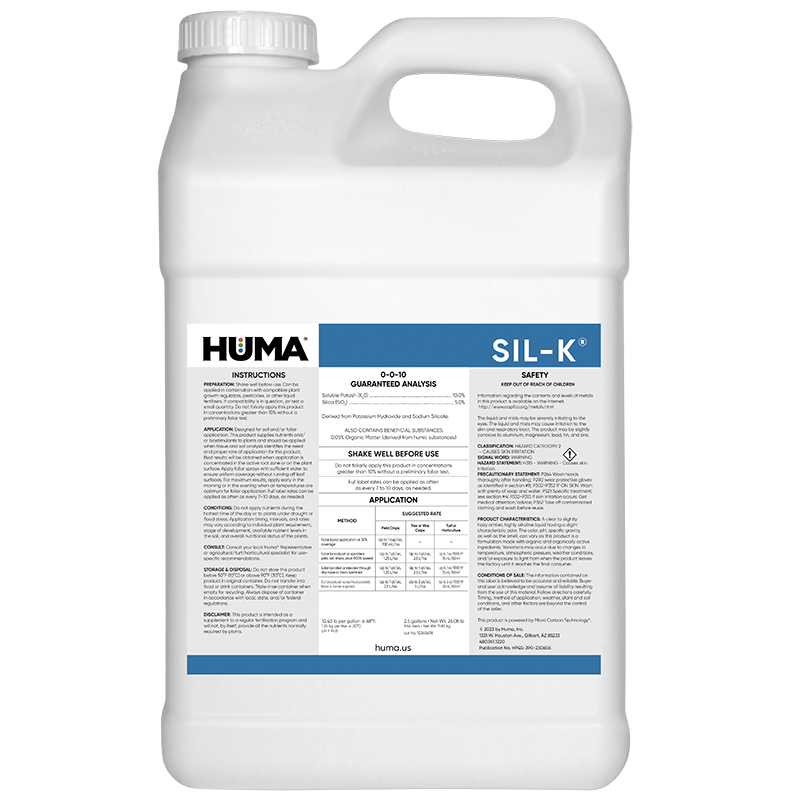
Benefits of Use:
- Increases the strength and rigidity of the plant cells
- Reduces the tendency of crops to wilt during the initial stages of drought
- Indirectly increases resistance to environmental stresses
When to Apply:
- During times of drought or heat stress
- In high traffic-wear areas
- When stronger leaf blades are needed for heat or wear tolerance
- When inadequate potassium/silica levels are found during tissue or soil analysis
FAQs
Related Case Studies

Promax® Controls Nematodes for English Boxwood Ornamental Plants
Objective This two-year trial aimed to assess the suppression effects of Promax® and 2 types of beneficial nematode treatments (S. feltiae and S. riobrave) versus a control on plant-parasitic nematodes (Stunt, Lance, Ring, and Spiral) for English Boxwood (Buxus sempervirens L. var. suffruticosa) ornamental plants. Materials & Methods Each experimental unit consisted of 2 English

Huma® Zap® Improves Corn Yield by 8.3 bu/A, With 10% ROI
Background Application of Zap® to soils in combination with other Huma® fertilizers at various locations previously resulted in crops with improved plant growth and higher yields. Applying Zap® with grower standard products or as a single product application to soil and plants could also impact results. Objective The focus of this study was to observe
Huma Liquid Products on Nebraska Corn
Background: Huma's Micro Carbon Technology based products (Fertil Soil®, Super Phos®, and Vitol®) have been shown to improve germination, plant health and vigor, increase phosphorus availability, and improve farming sustainability and regeneratively. Objectives: The aim of this study was to assess the effect of feeding the soil, roots, and the plant itself with Fertil Soil®,




Related Blog Posts

Proven: Nutrient Uptake In Just One Hour
Case Study: Proven - Nutrient Uptake In Just One Hour In foliar applications, speed matters. In just one hour, SUPER POTASSIUM showed a 22% increase in leaf potassium levels, proving its rapid uptake, even under tight spray windows and unpredictable weather.

This Week In Ag #91
There’s a new sheriff in town. Or at least an old one returning. And there’s new leadership in Congress. So how will the election results impact agriculture?

Pickin’ Time or Payout Time? The Reality of Fall Harvest
Fall is usually the most exciting season on the farm, but this year rising input costs and declining farmer sentiment are overshadowing the joy of harvest. With corn facing steep losses per acre and overall farm expenses projected to hit record highs, the numbers tell a sobering story for agriculture’s most important season.
Related Products

COMOL
Huma's COMOL™, carbon-complexed with Micro Carbon Technology®, ensures efficient nutrient uptake and translocation of phosphorus, cobalt, and molybdenum, which indirectly...
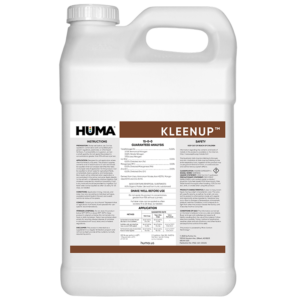
KLEENUP
KLEENUP™ is a nutrient and soil surfactant formulation with Micro Carbon Technology® that creates a favorable soil environment, improves aeration,...
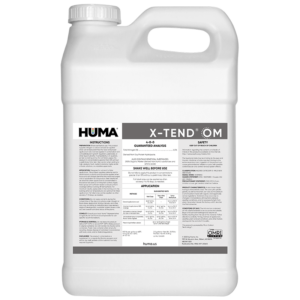
X-TEND OM
OMRI-Listed® X-TEND® OM is an excellent organic source of Micro Carbon Technology®, formulated with organic acids and nutrients to improve...