
44 MAG
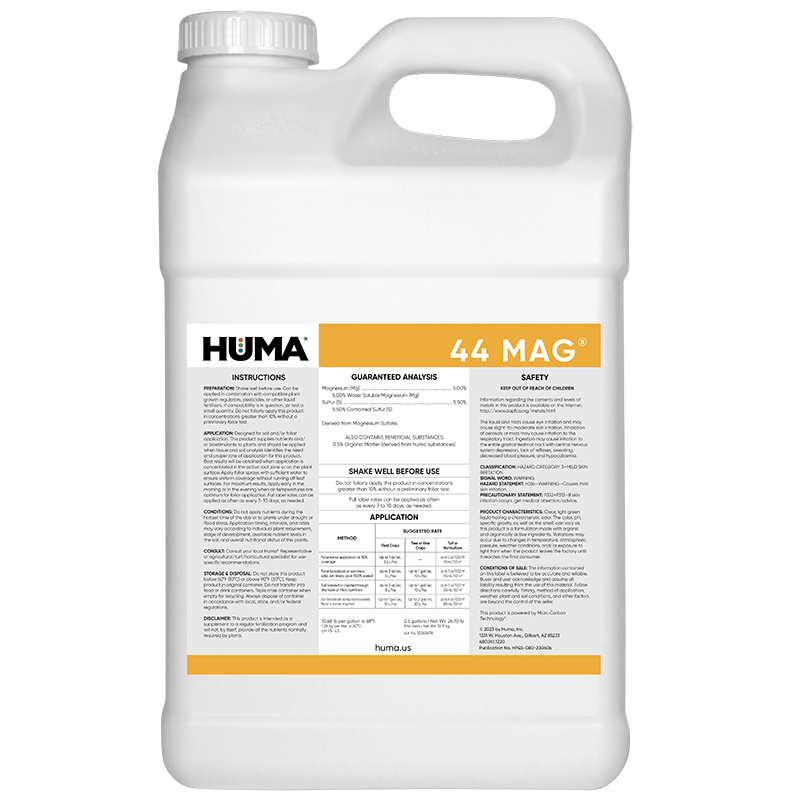
Benefits of Use:
- Essential core of the chlorophyll molecule
- Is active in the translocation of starches and necessary for sugar formation
- Acts as a carrier for phosphorus in the plant
- Regulates the uptake of other plant nutrients
- Enhances oil and fat formation
When to Apply:
- Low pH, high calcium, and high potash soils may reduce magnesium uptake
- Loss of green color starting at the bottom leaves and moving up the stalk; veins of leaves remain green
- Weak stalks
- Bunching-pattern root growth
- COTTON: Discolorization of leaves, turning purplish-red between the green veins, CORN: Development of an interveinal striped appearance on leaves, light yelllow to white
FAQs
Related Videos
Huma® Micronutrients and Secondary Macronutrients
Huma liquid micronutrient and secondary macronutrient fertilizers with Micro Carbon Technology (MCT) are extremely efficient. MCT improves nutrient uptake so you can get the most out of your crops. Deliver micronutrients and secondary macronutrients exactly
Learn More
Related Case Studies

Huma® Improves Alfalfa Quality In the Southwest
Background All Huma® Inc. products are based on extractions of humic substances and other materials that can stimulate plant growth and improve crop quality. Objective The objective of this field trial was to evaluate the efficacy of applying Huma® products, specifically Encapsalt®, Super Phos®, Max Pak®, 44 Mag,® Vitol®, Super Nitro®, Breakout®, Fertil Soil®, Iro-Max®,
Huma® Improves Alfalfa Soil Biology In the Southwest
Background Industrial agriculture can degrade soil quality for crops by altering the total living microbial biomass of soil. Many practices and beneficial ag products have been introduced to the market to improve soil quality. Some of these products are humic substance-based products. Objective The objective of this trial was to evaluate the efficacy of applying

Huma® and Zia Pueblo Farm Corn Project
Background Many small-scale farms (1-2 acres each) are established in Zia Pueblo community near San Ysidro, New Mexico. Huma® Inc. was asked to establish an experimental farm in the tribal community that could demonstrate the usage of beneficial agricultural inputs producing high-yield crop and preserving the health of the soil. Huma® humic-based products stimulate plant
Related Blog Posts

Joel Reid: Humates for Increased Phosphorus Availability
Humic substances in the soil are well known for increasing availability of plant-necessary nutrients (Pettit, 2012). Of the multitude of these nutrients, phosphorus is of paramount importance in many aspects of the growth phases and fruit/grain production of the food crops we raise worldwide. In many cases, phosphorus is an element that is rather immobile

BHN Sponsors Online Course on Sustainable Organic Agriculture Production
To help increase awareness about sustainable agriculture production, Bio Huma Netics, Inc., (BHN) is sponsoring a FarmProgress course for Certified Crop Advisers (CCAs) and Pest Control Advisers (PCAs) in the United States and Canada. This free online continuing education course, titled “Organic/Sustainable Agriculture Production -2022” aims to help working professionals learn about sustainable farming practices

Every Farmer’s Speed Dial
Every farmer has a speed dial, trusted contacts you rely on when timing matters and things don’t go as planned. From service managers to the chow wagon, these are the people who keep the operation moving.
Related Products
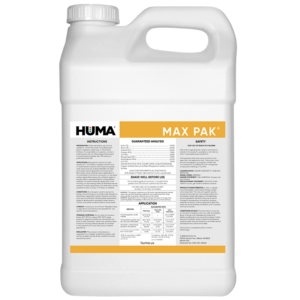
MAX PAK
MAX PAK® is a liquid micronutrient formulation containing a carbon complexed, highly stable source of many important micronutrients. MAX PAK...
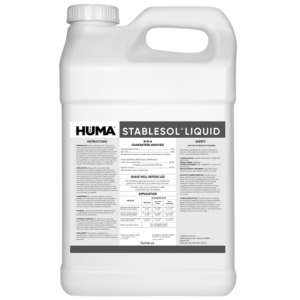
STABLESOL LIQUID
STABLESOL® LIQUID is an activated liquid humic-acid source derived from a highly oxidized, naturally occurring carbon and mineral deposit. STABLESOL LIQUID treats...
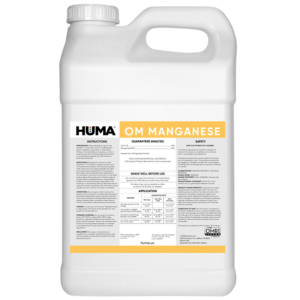
OM MANGANESE
Carbon-complexed with Micro Carbon Technology®, OMRI-Listed® OM MANGANESE is an organic manganese nutrient derived from manganese sulfate (Mn 5.0%, with...