
SULFUR
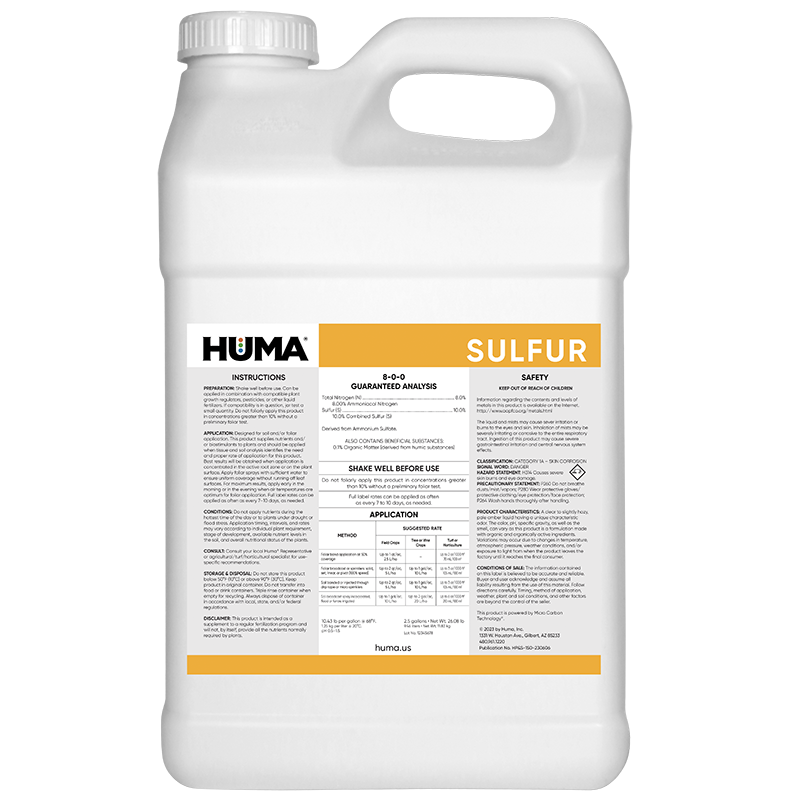
Benefits of Use:
- Improves plant respiration
- Increases photosynthetic rates
- Plays a key role in Ferredoxin, a protein involved in electron transfer
- Is involved in the formation of amino acids such as Cystine and Methionine, which are used to form protein
- Plays an important role in carbohydrate and lipid metabolism
- Sulfur deficiencies have been known to increase incidence of certain plant diseases
Deficiency Symptoms—When to Apply:
- Chlorosis in leaves from sulfur or nitrogen deficiency
- Stunted growth
- Reduced protein formation
- Crops sensitive to diseases
FAQs
Related Videos
Huma® Micronutrients and Secondary Macronutrients
Huma liquid micronutrient and secondary macronutrient fertilizers with Micro Carbon Technology (MCT) are extremely efficient. MCT improves nutrient uptake so you can get the most out of your crops. Deliver micronutrients and secondary macronutrients exactly
Learn More
Related Case Studies

Huma® Promax® for Strawberries: A Replacement for Standard Fumigation, Nematicides, and Fungicides
Introduction A field trial to test efficacy of Huma® Promax® as a cropprotection product for strawberries (Fragaria sp.) was applied in a location known to have spring disease problems with either Fusarium or Macrophomina pathogenic fungi. This report is based on a field trial with strawberries conducted by Holden Agricultural Research and Consulting submitted on

Huma® Breakout® Increases Processing-Tomato Yield With 8:1 ROI
Objective In this study, the Huma® growth manager product Breakout® was evaluated in terms of its effects on yield and quality of processing tomatoes. Materials & Methods In cooperation with the University of California, processing tomato seedlings were transplanted on a farm in Central Valley of California near Patterson on April 4 and then harvested

Huma Liquid Products on Nebraska Corn
Background: Huma's Micro Carbon Technology based products (Fertil Soil®, Super Phos®, and Vitol®) have been shown to improve germination, plant health and vigor, increase phosphorus availability, and improve farming sustainability and regeneratively. Objectives: The aim of this study was to assess the effect of feeding the soil, roots, and the plant itself with Fertil Soil®,

Related Blog Posts
This Week in Ag #66
When asked if he was finished with planting, dad would frequently respond by saying, “the first time.” His cynicism aside, replant decisions can be difficult. This year, too many growers are faced with that decision. If you plant when the soil is cold and wet, you’re inviting problems. But even if you plant in good soil conditions,

What Does Bushels Per Acre Mean?
We talk about bushels per acre all the time during harvest, but what does that measurement actually mean? Here’s a quick look at where bushels came from, how they’re used and what those yield numbers really tell us.

The Immortal Words of a Corn Legend
"Any corn plant that doesn’t emerge within 12 hours of others is a weed.” Immortal words from an immortal farmer. My friend Steve Albracht. The brash Texan certainly had a way with words. And with corn. I called him the Ric Flair of corn growers – he held as many National Corn Growers Association (NCGA) yield contest titles as Flair has wrestling championships. And he was just as bold. Visiting his Hart, Texas, farm was akin to visiting that of Francis Childs or Roswell Garst. Fast, uniform crop emergence and singulation weren’t just a goal; it was his obsession. He wanted every plant in the entire field to emerge within eight hours. Studies show that plants emerging 24 hours later can lose up to 25% of their yield. While some corn hybrids may be called racehorses, they don’t close on each other like racehorses do. Slow emergers and runt plants will never catch up to early risers.
Related Products
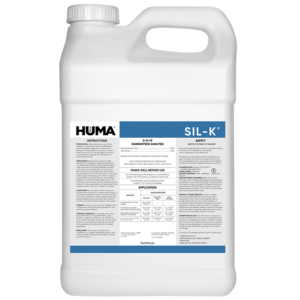
SIL-K
SIL-K®, carbon-complexed with Micro Carbon Technology®, provides the potassium and silica essential in all crops for stronger fruit holding and...
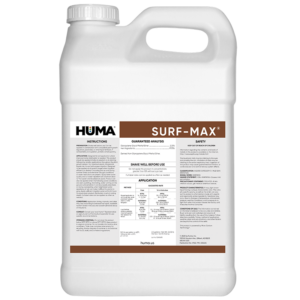
SURF-MAX
SURF-MAX® carbon-complexed with Micro Carbon Technology® is a blend of non-ionic surfactants designed to improve both penetration and lateral movement...
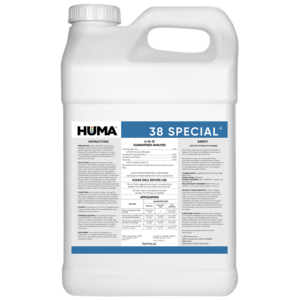
38 SPECIAL
38 SPECIAL®, carbon-complexed with Micro Carbon Technology®, is designed for a wide range of uses and can be applied to...