
MANGANESE
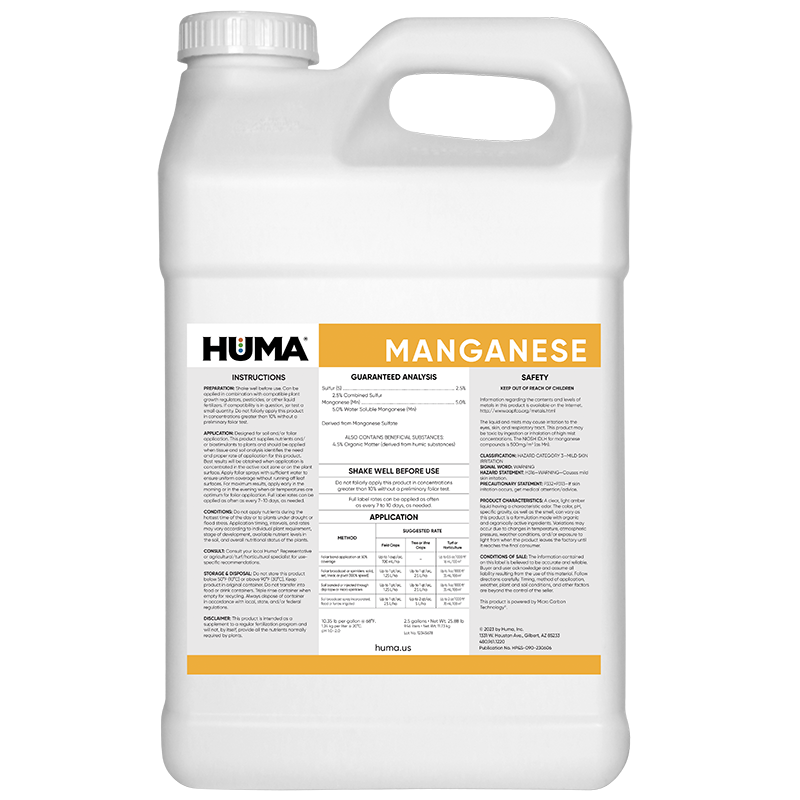
Benefits of Use:
- An enzyme activator that aids in chlorophyll synthesis
- Closely associated with the micronutrients copper and zinc
- Activates the lipid enzymes
- Essential for assimilation of carbon dioxide in photosynthesis
- Functions in the formation of riboflavin, ascorbic acid, and carotene
- Improves formation of lateral roots
Deficiency Symptoms—When to Apply:
- Chlorosis and/or mottling due to manganese deficiency
- Plants may be pale green to yellow-red in color between green veins on soybeans, tomatoes, and beets
- Tips of small grains turn gray to white (gray speck in oats)
- In neutral to alkaline soils high in calcium and in organic soils where manganese is less available
FAQs
Related Videos
Nutrient Requirements for Pecan Trees
Pecan grower Josh Bowman of First Fruit Orchards discusses macronutrient and micronutrient recommendations and timing for pecan trees.
Learn More
Huma® Micronutrients and Secondary Macronutrients
Huma liquid micronutrient and secondary macronutrient fertilizers with Micro Carbon Technology (MCT) are extremely efficient. MCT improves nutrient uptake so you can get the most out of your crops. Deliver micronutrients and secondary macronutrients exactly
Learn More
Related Case Studies
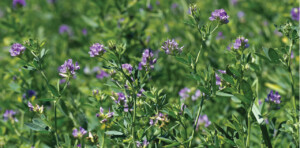
Huma® Improves Alfalfa Quality In the Southwest
Background All Huma® Inc. products are based on extractions of humic substances and other materials that can stimulate plant growth and improve crop quality. Objective The objective of this field trial was to evaluate the efficacy of applying Huma® products, specifically Encapsalt®, Super Phos®, Max Pak®, 44 Mag,® Vitol®, Super Nitro®, Breakout®, Fertil Soil®, Iro-Max®,
Huma® Improves Alfalfa Soil Biology In the Southwest
Background Industrial agriculture can degrade soil quality for crops by altering the total living microbial biomass of soil. Many practices and beneficial ag products have been introduced to the market to improve soil quality. Some of these products are humic substance-based products. Objective The objective of this trial was to evaluate the efficacy of applying
Related Blog Posts

Grandma Nichols: A One-Room Schoolhouse Legacy
Nearly 100 years ago, Grandma Nichols taught every grade in a one-room schoolhouse on the Illinois prairie. Her lesson plans were built around corn, livestock, pollinators, and the everyday realities of farm life, proof that what we now call regenerative agriculture was simply called farming.

From the Field: Journey of the Perfect Valentine’s Day Rose
Centuries before Saint Valentine was marrying couples in ancient Rome, legend says the red rose sprouted from the ground, watered by Aphrodite’s tears and her lover Adonis’ blood. Throughout the ages, the quintessential red rose has been a symbol of love, but have you wondered where it comes from? Most rose production is centralized in

This Week in Ag #87
Seasonal migration isn’t just for the birds. Or the snowbirds heading to Arizona. Some of nature’s most majestic and essential creatures are now making their way southward: butterflies. These winged beauties are prolific pollinators of crops, landscapes, wildflowers and gardens. Three-quarters of all food crops worldwide are somewhat or heavily dependent on pollinators such as butterflies. Monarch
Related Products
SUPER NITRO
SUPER NITRO®, carbon-complexed with Micro Carbon Technology®, is a nitrogen source that can be foliar-applied, according to label directions, without...
OM MICROS
Carbon-complexed with Micro Carbon Technology®, OMRI-Listed® Huma's OM MICROS is highly stable liquid organic micronutrient formulation that is balanced for...
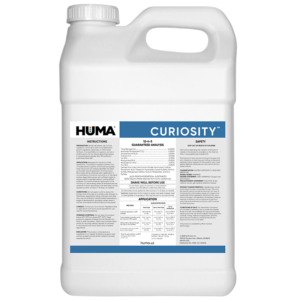
CURIOSITY
Huma's CURIOSITY™ is complexed with Micro Carbon Technology®, provides a unique combination of macronutrients and micronutrients for grass—and biostimulants designed...