
OM PRILLED
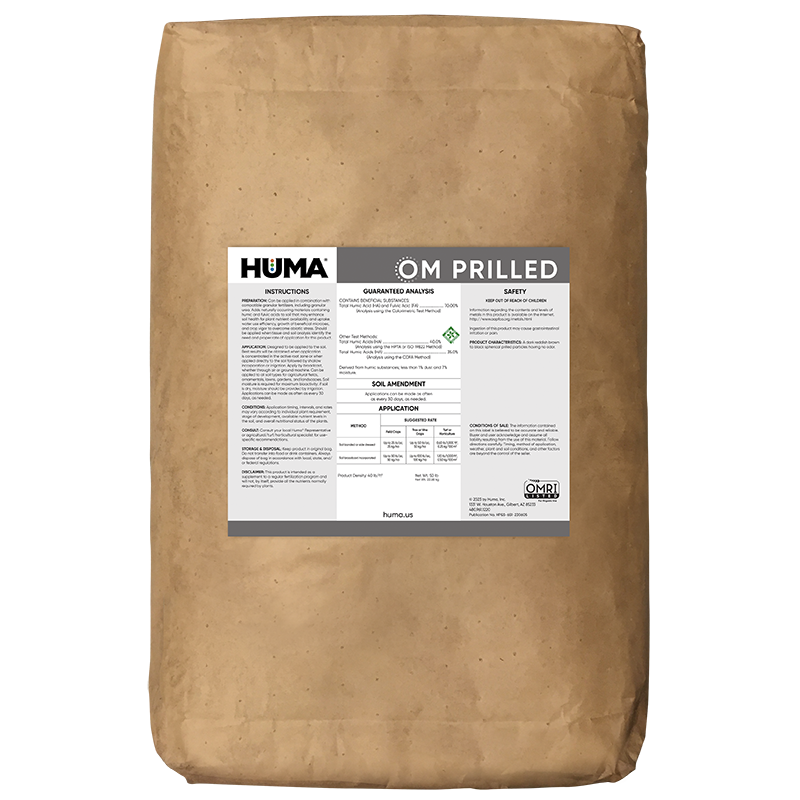
Benefits of Use:
- Ultra-dry granules are engineered to be compatible with all fertilizers, including urea
- Uniform, spherical granules allow for ease of handling and even application
- Hard granules are resistant to breakage during handling, have low moisture content, and are cleaner and easier to handle
- Long-term soil organic-matter building
- Increased water penetration and flocculation of clays
- Promotes conversion of fertilizer into plant-available food
- Increases soil nutrient mineralization
- Sustainable soil microbial activation
FAQs
Related Videos
Huma Minute – What is Humic Acid with Cory Ritter
Huma Mid-West Regional Sales Manager Cory Ritter discusses the different types of humic acids and what they do for your plants.
Learn More
Huma Minute – Humate Application Rates with Cory Ritter
Huma Mid-West Regional Sales Manager Cory Ritter discusses humate application rates and why there is not a one-size fits all rate.
Learn More
Huma Minute – Humic Acid Testing Methods with Cory Ritter
Huma Mid-West Regional Sales Manager Cory Ritter discusses the differences in the various humic acid testing methods.
Learn More
Related Case Studies
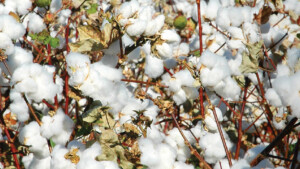
Huma® Breakout® Increases Cotton Yields 20%, With an ROI of 702%
Objective This field trial assessed the effects of 3 foliar applications of Huma® Breakout® at different growth stages during the growing season on the yield of cotton (Gossypium hirsutum, variety PHY312) when compared with the grower’s standard crop nutrition program. Materials & Methods This trial was set up in a complete randomized-block design of 10’
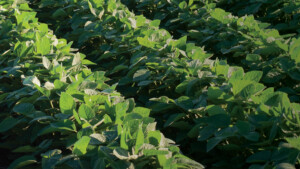
Huma® Program Increases Soybean Yields 21%, With an ROI of 389%
Objective This field trial assessed the effects of 2 foliar applications of 2 combinations of Huma® products versus a control during the growing season on the yield of soybeans (Glycine max, variety AG48X7) when compared with the grower’s standard crop nutrition program. Materials & Methods This trial was set up in a complete randomized-block design

Huma® Program Increases Strawberry Yields 14%, With an ROI > $2,500/acre
Objective This field trial assessed the effects of Promax® and Zap® on top of fumigation—plus additional foliar applications of 4 Huma® fertilizer products—on the yield of Portola strawberries when compared with the grower’s standard crop nutrition program. Materials & Methods This trial was set up in a complete randomized-block design conducted during the growing season


Related Blog Posts

Don’t Count Your Bushels Just Yet
A crop can look like a record-breaker one week and take an unexpected turn the next. From hungry birds to rain-ruined sorghum and discolored soybeans, harvest season is full of surprises.

BHN Acquires Warehouse in Tempe
By Lyndon Smith, President and CEOBio Huma Netics, Inc. I’m excited to share that Bio Huma Netics, Inc. (BHN) has acquired an additional building in Arizona. It’s a significant milestone for us that not only testifies to the continual progress we’re making as a company but will also serve as a building block for future
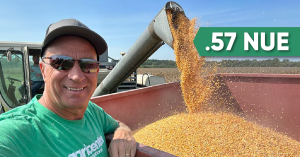
This Week in Ag #47
Nitrogen Use Efficiency has quickly become part of the vocabulary surrounding sustainability. But NUE is more than just a buzzword or another fancy acronym. NUE is the benchmark for nitrogen management. You’ll often see it used to measure the amount of nitrogen used to produce a bushel of grain. NUE is a pillar for calculating
Related Products
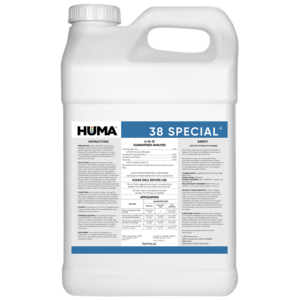
38 SPECIAL
38 SPECIAL®, carbon-complexed with Micro Carbon Technology®, is designed for a wide range of uses and can be applied to...
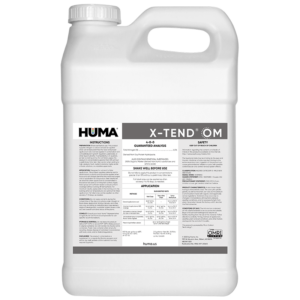
X-TEND OM
OMRI-Listed® X-TEND® OM is an excellent organic source of Micro Carbon Technology®, formulated with organic acids and nutrients to improve...
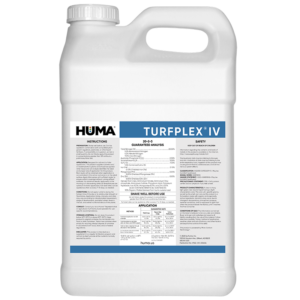
TURFPLEX IV
Huma's TURFPLEX® IV is a well-rounded formulation of complexed macro and micronutrients designed to promote lush, green growth in turf...