
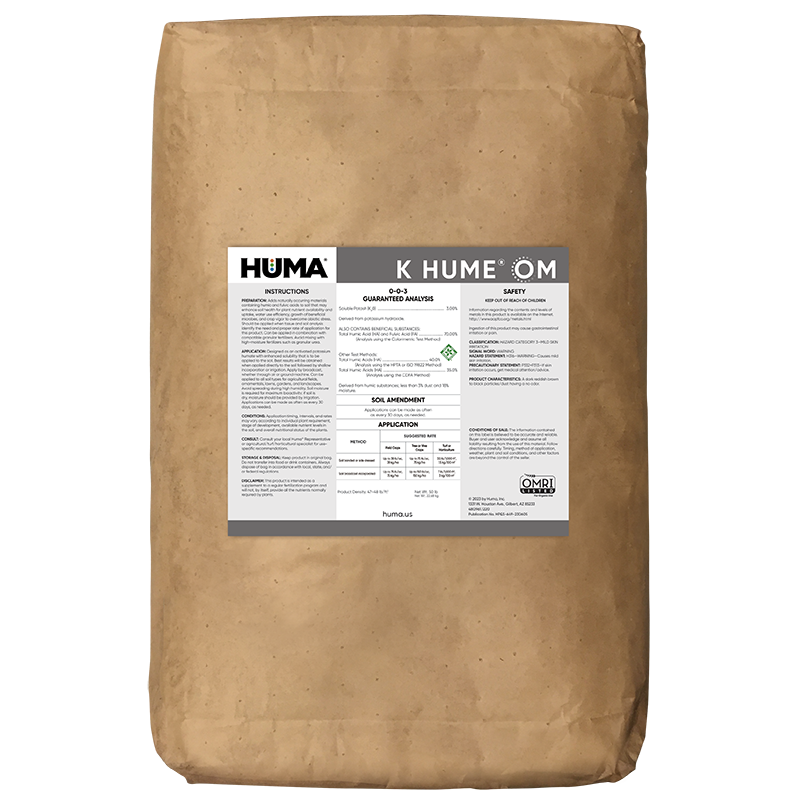
K HUME OM
Benefits of Use:
- Uniform granular size promotes even coverage/distribution of humic substances for short-term carbon benefit
- With the potassium coating, becomes a short-term soil organic-matter builder
- Increased water penetration
- Increased flocculation of clays
- Promotes conversion of fertilizer into plant-available food
- Increases soil nutrient mineralization
- Short-term soil microbial activation
FAQs
Related Videos
Huma Minute – Huma K-Hume OM with Barrett Smith
Huma Agronomist Barrett Smith discusses K-Hume OM and how it differs from a regular granular humic product.
Learn More
Huma Minute – What is Humic Acid with Cory Ritter
Huma Mid-West Regional Sales Manager Cory Ritter discusses the different types of humic acids and what they do for your plants.
Learn More
Huma Minute – Humate Application Rates with Cory Ritter
Huma Mid-West Regional Sales Manager Cory Ritter discusses humate application rates and why there is not a one-size fits all rate.
Learn More
Related Case Studies

Humic Products Increase Soybean Yield In Iowa
Background Scientific research shows humic and fulvic acids can have a biostimulant effect on plant root growth and mass, nutrient availability and uptake, and crop yield and quality. Objective The objective of this study was to compare and contrast the immediate effects that three types of humic products from Huma®, Inc., have on soybean yield.

Humic Products Increase Iowa Corn Yield
Background Scientific research shows humic and fulvic acids can have a biostimulant effect on plant root growth and mass, nutrient availability and uptake, and crop yield and quality. Objective The objective of this study was to compare and contrast the immediate effects that three types of humic products from Huma®, Inc. have on corn yield.
Related Blog Posts

China—Hot Land for Global Novel Fertilizer
“China—Hot Land for Global Novel Fertilizer,” is a recent AgroPages feature article that includes Bio Huma Netics—with its Huma Gro® product line—among the top companies actively marketing novel fertilizers to China. Read the story at https://news.agropages.com/News/NewsDetail—15144.htm. cirrus cloud .

Seedling to Season’s Greetings
From fresh pine scent to sustainable farming, real Christmas trees do more than brighten the holidays. This week, we explore how America’s Christmas tree farmers grow a renewable crop that supports local agriculture, boosts wildlife habitat, and helps the environment, one seedling at a time.

Seven Days, Countless Miracles
A lot can happen in seven days. On the farm, seeds emerge, roots stretch deep, animals grow, and crops begin to take shape. This Holy Week is a reminder that growth—both in the field and in life—often happens faster than we realize. Sometimes, the biggest miracles unfold in the smallest windows of time.
Related Products
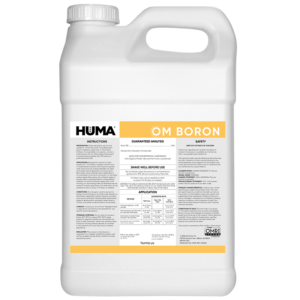
OM BORON
Carbon-complexed with Micro Carbon Technology®, OMRI-Listed® OM BORON is an organic boron nutrient. It ensures maximum assimilation of boron, which...

OM CALCIUM
Carbon-complexed with Micro Carbon Technology® (MCT), OMRI-Listed® OM CALCIUM is an organic nitrogen-free calcium nutrient. Calcium is a required nutrient...
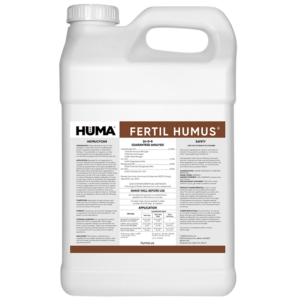
FERTIL HUMUS
FERTIL HUMUS® carbon-complexed with Micro Carbon Technology® has the nutrients necessary to feed beneficial fungal activity in the soil and...