
OM 2-6 mm
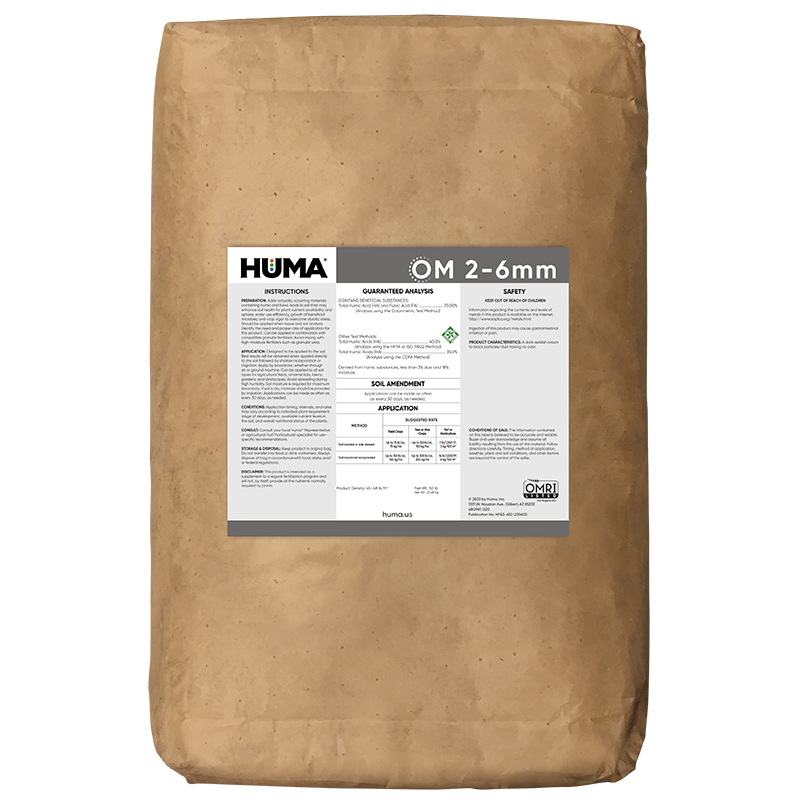
Benefits of Use:
- Uniform granular size promotes even coverage/distribution of humic/fulvic acid forsustainable carbon benefit
- Long-term soil organic-matter building
- Increased water penetration
- Increased flocculation of clays
- Promotes conversion of fertilizer into plant-available food
- Increases soil nutrient mineralization
- Sustainable soil microbial activation
FAQs
Related Videos
Huma Minute – What is Humic Acid with Cory Ritter
Huma Mid-West Regional Sales Manager Cory Ritter discusses the different types of humic acids and what they do for your plants.
Learn More
Huma Minute – Humate Application Rates with Cory Ritter
Huma Mid-West Regional Sales Manager Cory Ritter discusses humate application rates and why there is not a one-size fits all rate.
Learn More
Huma Minute – Humic Acid Testing Methods with Cory Ritter
Huma Mid-West Regional Sales Manager Cory Ritter discusses the differences in the various humic acid testing methods.
Learn More
Related Products

OM 6 mm(-)
Huma® OM 6 mm(-) is a natural humic and fulvic acid product processed from naturally occurring, oxidized lignite. It provides a...
X-TEND OM
OMRI-Listed® X-TEND® OM is an excellent organic source of Micro Carbon Technology®, formulated with organic acids and nutrients to improve...
BORON
Huma's BORON is carbon-complexed with Micro Carbon Technology®, ensures efficient and effective uptake of boron, which is required for cell...
Related Case Studies

Huma® Fertilizer Products Increase Cucumber Yields at ROI of 113%
Objective The purpose of this research project was to evaluate how Huma® liquid fertilizer products with Micro Carbon Technology® affect cucumber yield when compared with a control program of grower’s standard fertilizer. Materials & Methods This study was conducted at the Southeast Ag Research facilities in Chula, Ga. The experiment was conducted with four replicates.

Huma® OM Soil Activator Increases Cotton Yield 20%, With 141% ROI
Background In an earlier in-house research project, it was observed that OM Soil Activator (formerly known as Fertilgold® Soil) caused plants to grow better and improve soil characteristics. The product as then released for field trial status. Objective The focus of this study was to observe if OM Soil Activator could improve cotton yield under
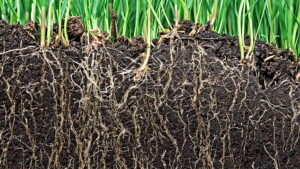
Zap® Improves Soil Water-Holding Capacity and Soil Structure
Objective Huma® Zap® has been shown to improve crop yield and soil conditions. This report illustrates some of the ways Zap® improves soil characteristics such as water-holding capacity and structure. Materials & Methods In this study, two sets of soil in pots were saturated with either water or 3% Zap® solution. None of the pots



Related Blog Posts

Corn Breaks Records and Markets
U.S. corn growers just shattered production records, topping 17 billion bushels for the first time ever. But while yields hit historic highs, corn prices moved in the opposite direction—setting up new challenges for markets, margins, and the broader farm economy in 2026.

Farmer Sentiment: A 23-Point Gut Punch
Farmer confidence took a sharp turn in January, falling 23 points according to the Purdue Ag Economy Barometer. From projected losses in the Corn Belt to rising bankruptcies and tighter purchasing plans, the numbers point to a year defined by caution and tough financial decisions across farm country.

Video: Earth Day, 2021
Over 50 years ago, on April 22, 1970, 20 million Americans took to the streets to protest environmental destruction and to celebrate the wonders of Planet Earth. The basic message was that we had to find new ways to live our lives, raise our food, and conduct our businesses that were environmentally friendly and sustainable—that