
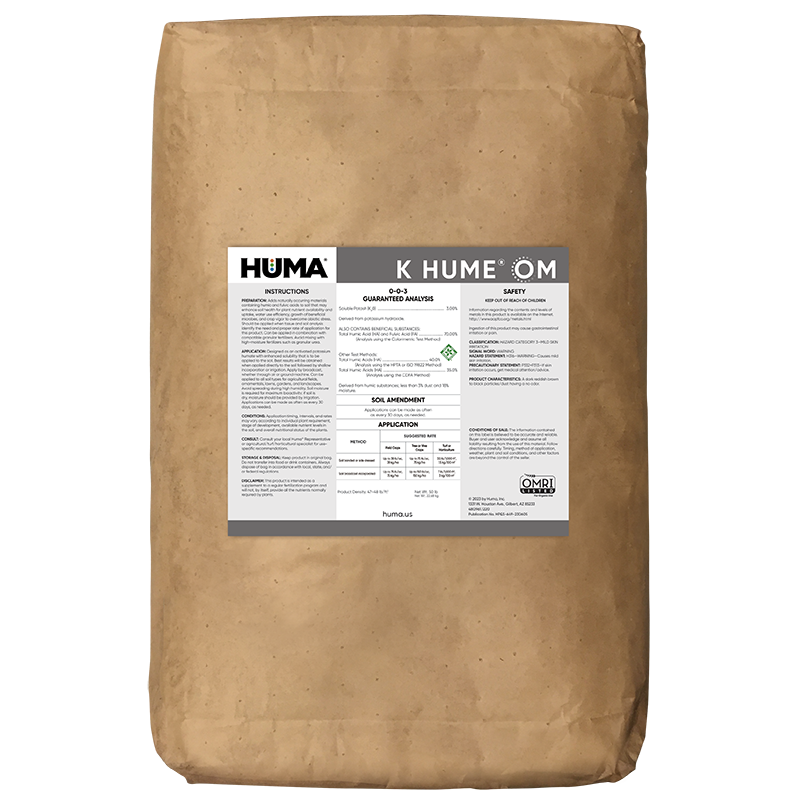
K HUME OM
Benefits of Use:
- Uniform granular size promotes even coverage/distribution of humic substances for short-term carbon benefit
- With the potassium coating, becomes a short-term soil organic-matter builder
- Increased water penetration
- Increased flocculation of clays
- Promotes conversion of fertilizer into plant-available food
- Increases soil nutrient mineralization
- Short-term soil microbial activation
FAQs
Related Videos
K-Hume OM
K Hume OM — is a 60%-70% humic and fulvic acid combined with potassium hydroxide to make an excellent soil conditioner. Improved solubility (76% soluble) speeds activity in the soil for enhanced microbial uptake.
Learn More
Humate Application Rates
HIGHER YIELDS: Humates lead to higher crop yields and better-quality produce. BETTER SOIL HEALTH: Humic substances help create healthier, more fertile soil with a balanced pH, supporting robust plant growth. REDUCED CHEMICAL INPUTS: With
Learn More
Related Case Studies

Humic Products Increase Iowa Corn Yield
Background Scientific research shows humic and fulvic acids can have a biostimulant effect on plant root growth and mass, nutrient availability and uptake, and crop yield and quality. Objective The objective of this study was to compare and contrast the immediate effects that three types of humic products from Huma®, Inc. have on corn yield.

Humic Products Increase Soybean Yield In Iowa
Background Scientific research shows humic and fulvic acids can have a biostimulant effect on plant root growth and mass, nutrient availability and uptake, and crop yield and quality. Objective The objective of this study was to compare and contrast the immediate effects that three types of humic products from Huma®, Inc., have on soybean yield.

Huma® OM Liquid HA 16 With Micro Carbon Technology® Improves Spring Wheat Yield With 60% Increased ROI
Background Humic substances have been shown to improve crop yield. Solid and liquid forms of humic substances with high levels of organic acids can be produced by incorporating Micro Carbon Technology®. Some are suitable for conventional and others for organic farming. Huma® OM Liquid HA 16, OMRI-Listed for organic farming, is a liquid form of

Related Blog Posts

From the Field: Why I Switched to MICROHUMIC® OM for Seed Lubrication
As a farmer and ag salesman at Huma, I’m always on the lookout for products that can make farming easier and more efficient. That’s how I first came across MICROHUMIC® OM at the 2024 Commodity Classic, right after I joined Huma. While working in our booth, I was chatting with our CEO, Lyndon Smith, when

8 Simple Steps to Healthy Crop Soil

Control Pests and Improve Soil Health with PROUD 4 + ZAP
Learn how PROUD 4 and ZAP work together to control soil pests, suppress diseases and nematodes, and rebuild a healthy, biologically active soil. Discover why this carbon-based program helps protect crops while improving long-term soil health.
Related Products

X-TEND B
X-TEND® B is a concentrated Micro Carbon Technology® product with high levels of organic acids and nutrients. This product is formulated...
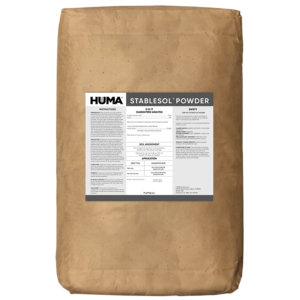
STABLESOL POWDER
Huma's STABLESOL® POWDER is a water soluble powder produced using a proprietary extraction, modification, and spray dry process. This process yields...
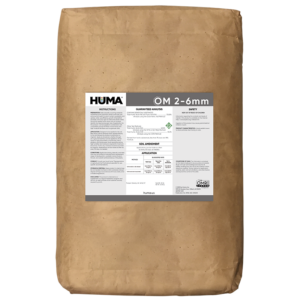
OM 2-6 mm
Huma's OM 2–6 mm is a natural humic and fulvic acid product processed from naturally occurring, oxidized humic substances. It provides...