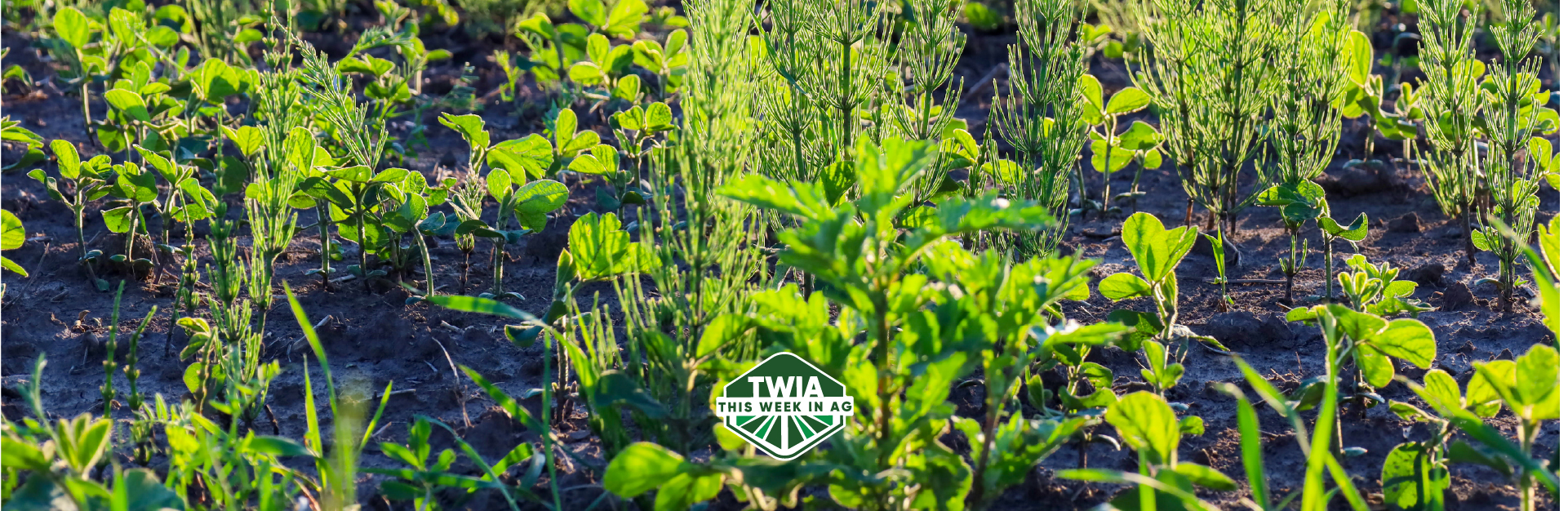
The Year the Weeds Disappeared
A look back at 1996, when Roundup Ready soybeans changed weed control, accelerated no-till adoption, and transformed the way farmers thought about efficiency and crop production.


A look back at 1996, when Roundup Ready soybeans changed weed control, accelerated no-till adoption, and transformed the way farmers thought about efficiency and crop production.
Michael Jordan dominated the court, Friends topped TV ratings, and Tiger Woods was about to change golf. But in agriculture, 1996 marked an even bigger turning point. From GPS yield mapping and Bt corn to Roundup Ready soybeans and the Freedom to Farm Act, discover how one year transformed farming forever.
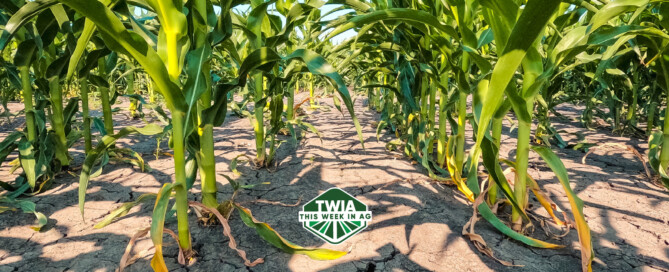
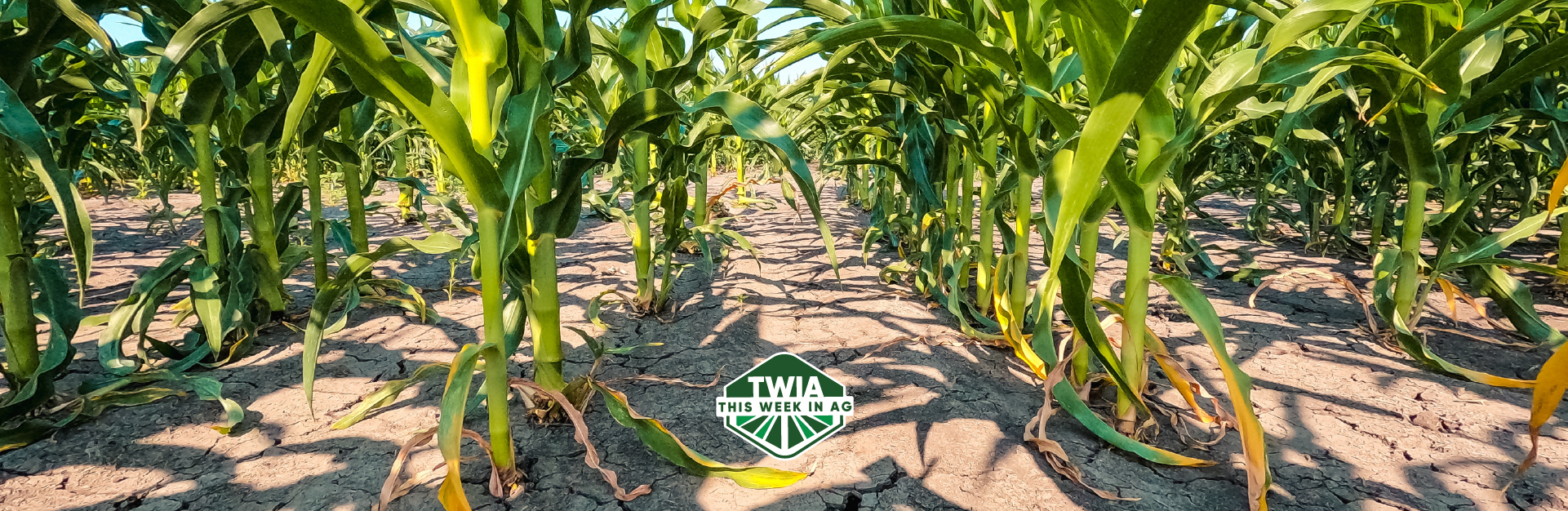
Europe's record-breaking heat is shrinking grain production and driving prices higher, but global weather isn't the only story. As drought expands across parts of the U.S., the weeks ahead will be critical for crop development—and grain markets.
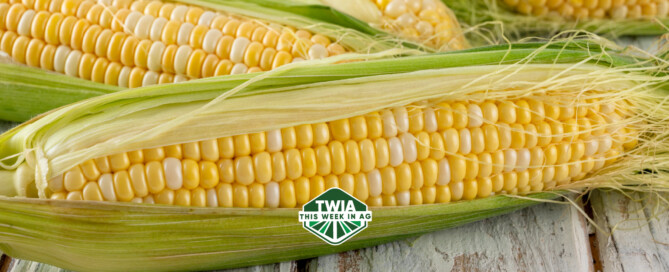
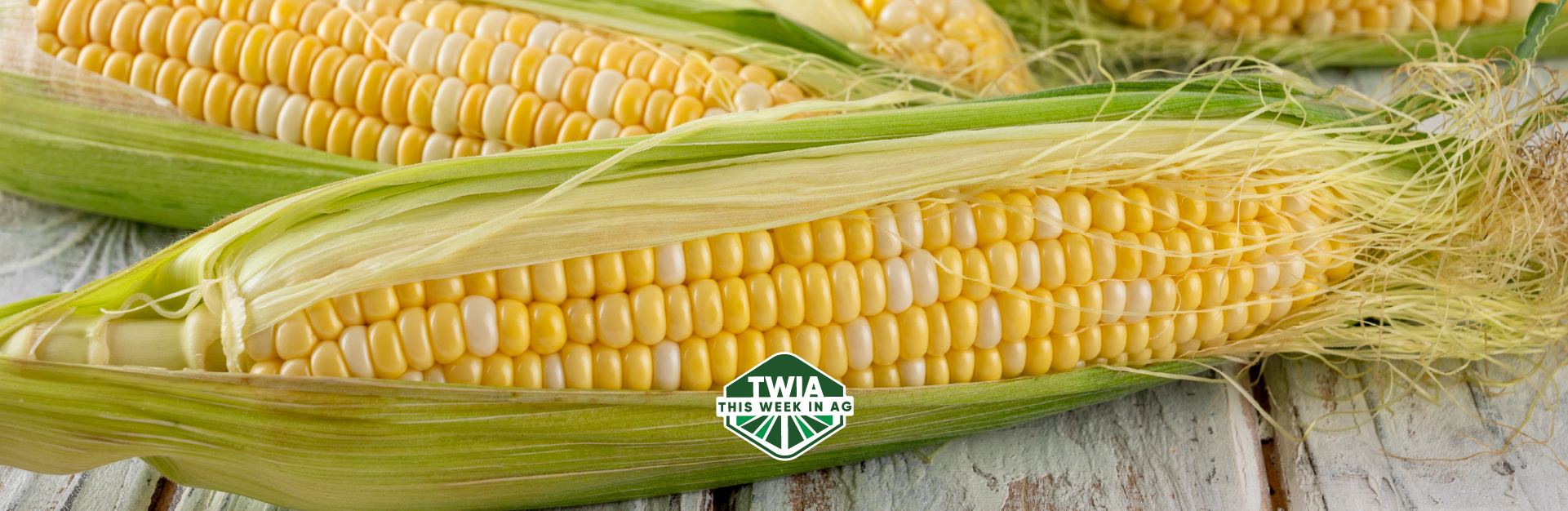
For many Midwestern families, the words "Sweet corn's ready!" mark the true start of summer. From family feasts and raccoon raids to early morning harvests and roadside stands, this story celebrates the memories, traditions and hard work behind one of America's favorite seasonal crops.
Input costs continue to put pressure on farms across the country, affecting everything from crop production to livestock operations. As expenses climb and margins tighten, growers are looking for ways to make every dollar and every acre work harder.
As America celebrated its 200th birthday in 1976, farmers were experiencing one of the most prosperous periods in agricultural history. Take a look back at the optimism, growth, and pivotal decisions that helped shape the future of American agriculture.
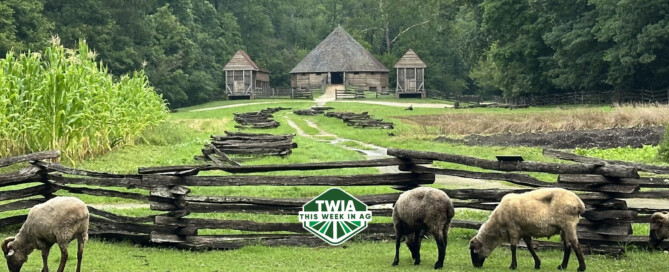
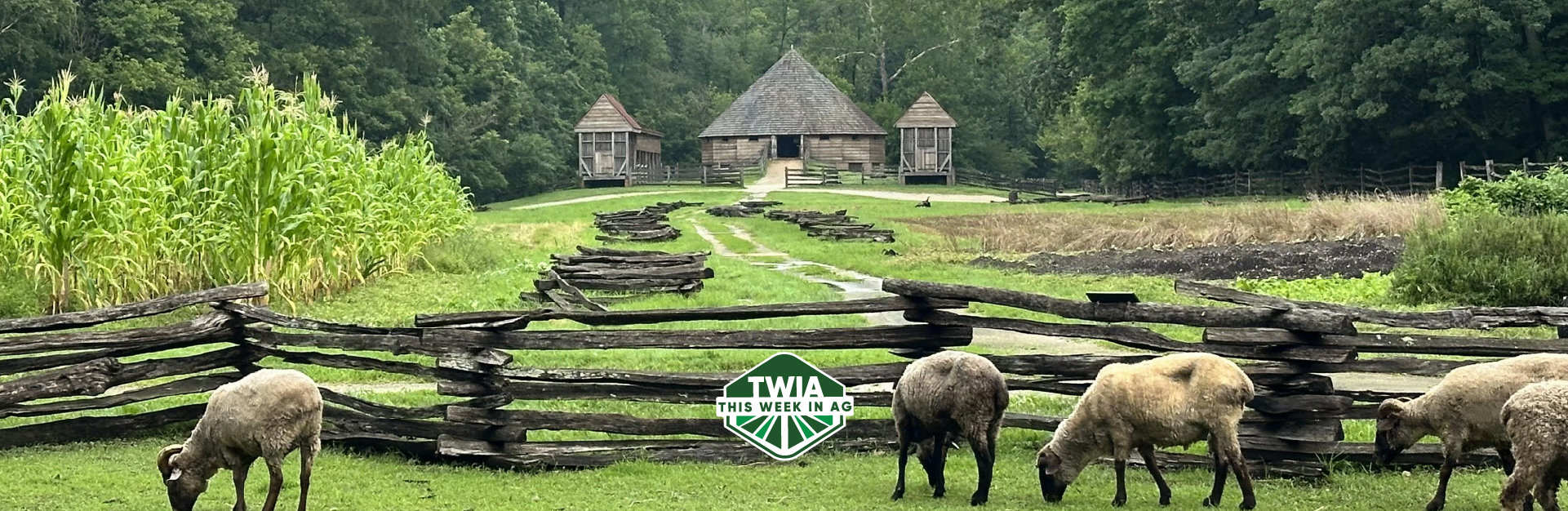
As America celebrates 250 years of independence, it's worth remembering that many of the nation's founders were farmers first. From George Washington's crop rotations to Thomas Jefferson's passion for soil stewardship, these leaders understood that a strong nation begins with healthy land. Their legacy reminds us that agriculture has always been at the heart of America's story.
For years, growers believed soybeans wouldn't flower until after the summer solstice. Today, many soybean fields are proving otherwise. Earlier planting dates and improved management practices are changing crop development timelines, allowing soybeans to capture more sunlight, produce more growth, and ultimately deliver higher yields.
For decades, June was the month grain farmers watched markets closely, hoping to lock in seasonal highs. But that long-standing tradition has quietly disappeared. What changed, and what factors will determine grain prices this summer? Fred Nichols examines the weather, acreage, global competition, and China's role in today's grain markets.
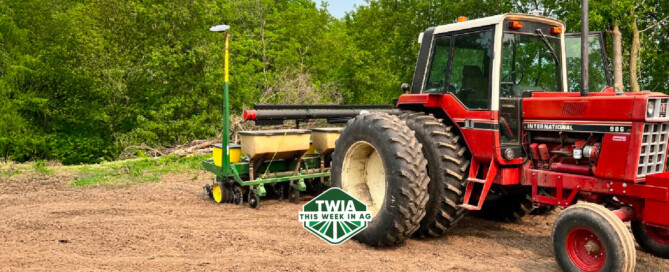
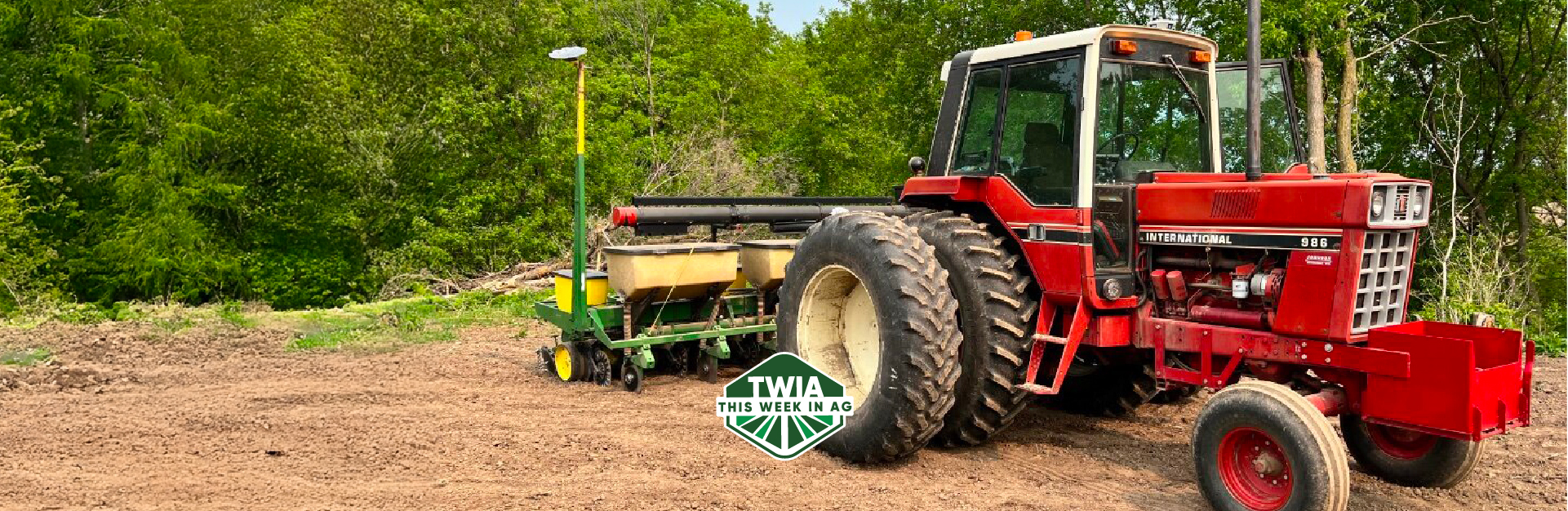
When Dad showed up late for supper, something was clearly different. What rolled up the driveway that day wasn't just a new tractor—it was an International Harvester 986. Fifty years later, the memories remain as vivid as the red paint, reminding us that some machines become part of a family's story.

STAY IN TOUCH