FAQs
Related Case Studies

Bio Genesis® Reduces Foam and Increases Stability at Arizona Municipal Wastewater Treatment Facility
Problem A municipal wastewater treatment facility in Arizona uses an activated sludge system with 4 oxidation ditches to treat approximately 9 million gallons per day. The system frequently experiences intermittent foaming and settling issues. The operator was looking for a solution to the foaming and settling issues that would also provide operational stability throughout the
Super Phos® Lowers Papermill Operating Costs in China
Problem The existing wastewater treatment system uses 600 kg/day of diammonium phosphate (DAP) to provide the needed phosphorus concentration to maintain a healthy microbial population to treat wastewater. These microorganisms break down the organic matter being discharged from the paper processing facility. Without the correct concentration of available phosphorus, the microorganisms are unable to grow
Bio Energizer® Reduces Sludge at Small N.M. Municipal Facility
Problem A small town in New Mexico (pop. 1,300) had a municipal wastewater system with a flow rate of 50,000 gallons per day. The system included a series of three lagoons that tapered to a depth of 13 feet. Pond 1 had an average sludge depth of 1.9 feet, Pond 2 averaged 3.5 feet, and
Related Blog Posts
The Water Break Podcast, Episode 29: Preventing Backflow, Part 2
“Where we bridge the gap between water plant operators and engineers” In episode 29 of the Water Break Podcast, Heather Jennings, PE, discusses fundamental water systems backflow and cross-connection issues with Gary McLaren, Marketing Director and “Backflow Nerd” at HydroCorp, based in Troy, Michigan, and Rich Davison, Engineering Sales at Soderholm & Associates in Madison,
Biological Remediation of Crude Oil Contaminated Soil
A bioremediation pilot project in Texas successfully treated highly saturated crude oil–oil-contaminated soils using Huma® products. Within 30 days, total petroleum hydrocarbons (TPH) dropped from 75,000 ppm to below 10,000 ppm, demonstrating the effectiveness of probiotic technology in transforming toxic tank bottom materials into manageable, biologically active soil.

Wastewater Wednesday: Oh, Sand Dam, This is my Jam
Related Products
KLEENUP (HE)
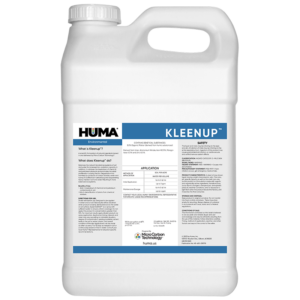
Huma® Kleenup™ is a nutrient and soil surfactant formulation with Micro Carbon Technology® that creates a favorable soil environment, improves aeration,...
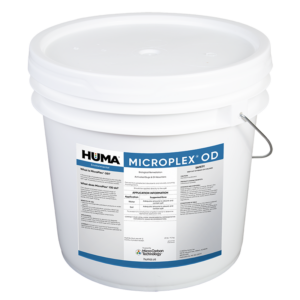
MICROPLEX OD
Huma's MICROPLEX® OD is a fine powder of preselected absorbents and naturally occurring microbial strains that is formulated for use on...
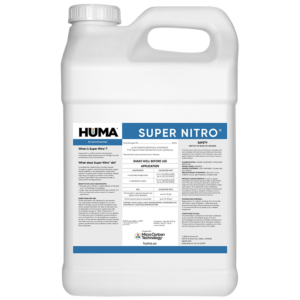
Super Nitro® (HE)
Huma® Super Nitro® is a Micro Carbon Technology® complexed, highly stable source of nitrogen for both wastewater and soil remediation. In...