FAQs
Related Case Studies

Bio Energizer® Reduces Costs and Turbidity in Paperboard Lagoons at Kentucky Papermill Wastewater Facility
Problem A paper mill wastewater facility was treating 940 tons of paper bags, recycled linerboard, and corrugating medium, daily. The mill was interested in improving wastewater operating efficiency and lowering operating expenses over their standard polymer usage. The plant was experiencing filamentous bacteria, solids, and bulking issues in the final clarifier. It was discharging 4,000
Bio Energizer® Reduces Sludge at Small Municipal Facility
Problem A small town in Utah (pop. 1,800) had a municipal wastewater system with a flow rate of 192,000 gallons per day. The system included a series of four lagoons that tapered to a depth of 6 feet, although at this time only Ponds 1 and 2 were being evaluated for treatment as they were
Bio Energizer® Reduces Sludge 45% In One Year, Saves Municipal Plant $6 M In Dredging Costs
Summary In this study, a one-year bioremediation plan featuring Bio Energizer® was implemented for a municipal wastewater treatment facility with 2 primary lagoons in which sludge depths had reached 5–7 feet. The lagoons were at risk of upset and wastewater processing capacity was reduced. Sludge levels were measured at baseline and quarterly. Sludge depth was
Related Blog Posts

Lower Operating Costs with Super Phos®
Project Summary A paper mill wastewater treatment facility uses diammonium phosphate to maintain a healthy microbial population. These microorganisms, which break down the organic matter, require the correct concentration of available phosphorus, without which the microorganisms are unable to grow and reproduce.
New Video: 8 Essential Products for Wastewater Bioremediation
n this video, Heather Jennings, PE, Director of Probiotic Solutions®, provides an introduction to 8 essential products for wastewater bioremediation.

The Impact of Commonly Abused and Illicit Drugs in Wastewater Treatment
By Heather Jennings, PE, Senior Project Engineer for Probiotic Solutions® I was attending a wastewater conference and overheard an operator talking about how a drug bust turned his lagoon orange and almost put him out of compliance with his permit. At another location, I was told that the city I was visiting had been hit by
Related Products
MICROPLEX HC
Huma's MICROPLEX® HC is a highly concentrated blend of natural bacteria specifically chosen for their ability to metabolize petroleum hydrocarbons and treat...
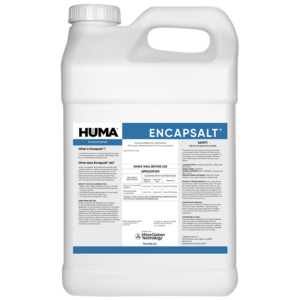
Encapsalt® (HE)
Huma® Encapsalt® is a soil activator combined with surfactants based in and delivered by Micro Carbon Technology® that help sequester and...
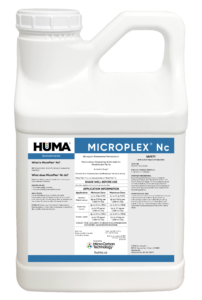
MICROPLEX N/Nc
Huma's MICROPLEX® N is a liquid suspension of preselected and adapted Nitrosomonas and Nitrobacter microbial strains, specifically chosen for their ability...