
IRO-MAX
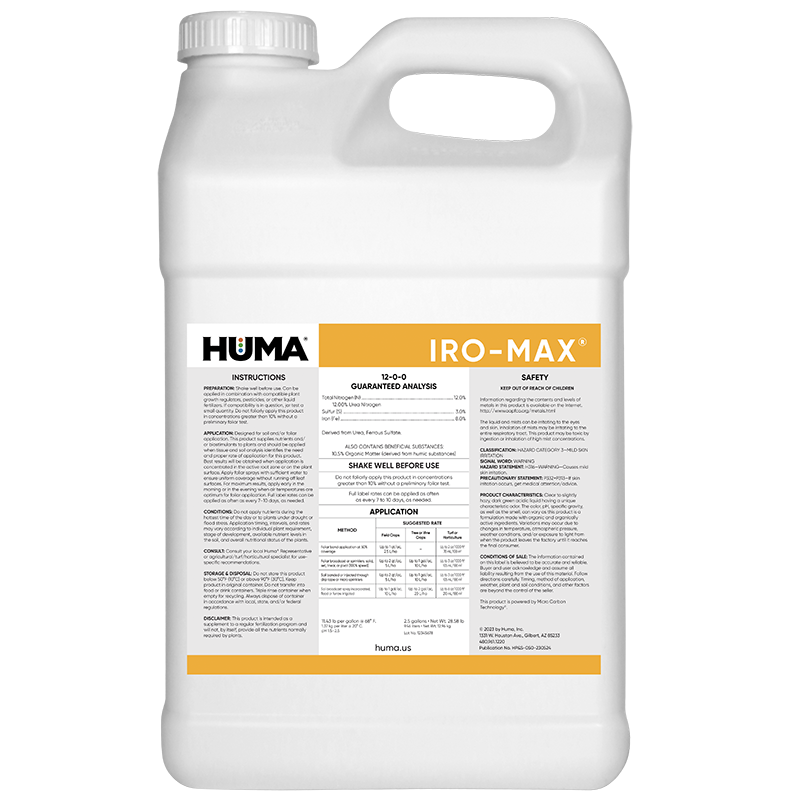
Benefits of Use:
- Iron is required by plants for the formation of chlorophyll.
- Iron is a component of enzymes that activate other biochemical processes within plants such as respiration, symbiotic nitrogen fixation, and energy transfer.
- IRO-MAX® relieves chlorotic symptoms of iron-deficient plants.
Deficiency Symptoms—When to Apply:
- Plants develop severe chlorosis, or a yellowing or “bleaching” of leaf tissue with veins remaining green
- Severe iron deficiencies result in stunted growth
- In grain crops, leaves will show chlorotic or yellow striping
- High pH, excess bicarbonate, calcium, magnesium, and/or phosphate
- High levels of nitrate, over-irrigation or poor drainage, poor aeration, plant viruses, root pruning, or nematode damage
- Deficiencies of potassium and calcium
FAQs
Related Videos
Huma® Micronutrients and Secondary Macronutrients
Huma liquid micronutrient and secondary macronutrient fertilizers with Micro Carbon Technology (MCT) are extremely efficient. MCT improves nutrient uptake so you can get the most out of your crops. Deliver micronutrients and secondary macronutrients exactly
Learn More
Related Products
SURF-MAX
SURF-MAX® carbon-complexed with Micro Carbon Technology® is a blend of non-ionic surfactants designed to improve both penetration and lateral movement...
SIL-K
SIL-K®, carbon-complexed with Micro Carbon Technology®, provides the potassium and silica essential in all crops for stronger fruit holding and...
OM 1-3 mm
Huma's OM 1–3 mm is a natural humic and fulvic acid product processed from naturally occurring, oxidized humic substances. It...
Related Case Studies

Huma® OM Liquid HA 16 With Micro Carbon Technology® Improves Spring Wheat Yield With 60% Increased ROI
Background Humic substances have been shown to improve crop yield. Solid and liquid forms of humic substances with high levels of organic acids can be produced by incorporating Micro Carbon Technology®. Some are suitable for conventional and others for organic farming. Huma® OM Liquid HA 16, OMRI-Listed for organic farming, is a liquid form of

Huma® MicroMate Humic Acid Makes More Blooms, Faster, on Commercial Petunias
Objective Speeding up the maturity timing of flowers and having more flowers on commercial ornamental plants will make them more marketable and help flower growers produce more potted flower plants per year. The focus of this study was to assess the effects of a natural humic product from Huma® called Micromate on the speed of
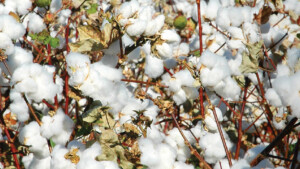
Huma Pro® Mix, pH-Stable Liquid Humic Acid Product, Increases Cotton Lint Yield
Conducted by: Bruce Kirksey, PhD, Agricenter International, Memphis, Tenn. Huma® Product: Huma Pro® Mix Background Scientific research shows that humic and fulvic acids are biostimulants—enhancing nutrient availability and uptake, improving plant root growth and mass, and impacting both crop yield and quality. Humic acid products are not all the same. They are marketed in solid





Related Blog Posts

The Bearing That Broke the Farmer’s Back
Equipment breakdowns have always been part of farming, but today, the repair bills and downtime can feel unbearable. With parts prices soaring, dealer labor rates climbing, and right-to-repair battles heating up, farmers are feeling the squeeze every time a machine quits.

Reniform Nematodes: A Hidden Menace in Modern Agriculture
By Mojtaba Zaifnejad, Ph.D.Sr. Director of Field Research and Technical Services,Huma, Inc.® In my previous article on nematodes, I described the general topic of nonparasitic and parasitic nematodes. In this segment the focus will be on a specific plant parasitic nematode – Reniform nematodes (Rotylenchulus reniformis). We will delve into the intriguing world of reniform
This Week In Ag #97
New Year’s babies bring a renewed spirit of hope to those whose lives they touch. On January 1, 1865, a baby born in Diamond, Missouri, not only brought hope, but salvation to US agriculture. His name was George Washington Carver.