
IRO-MAX
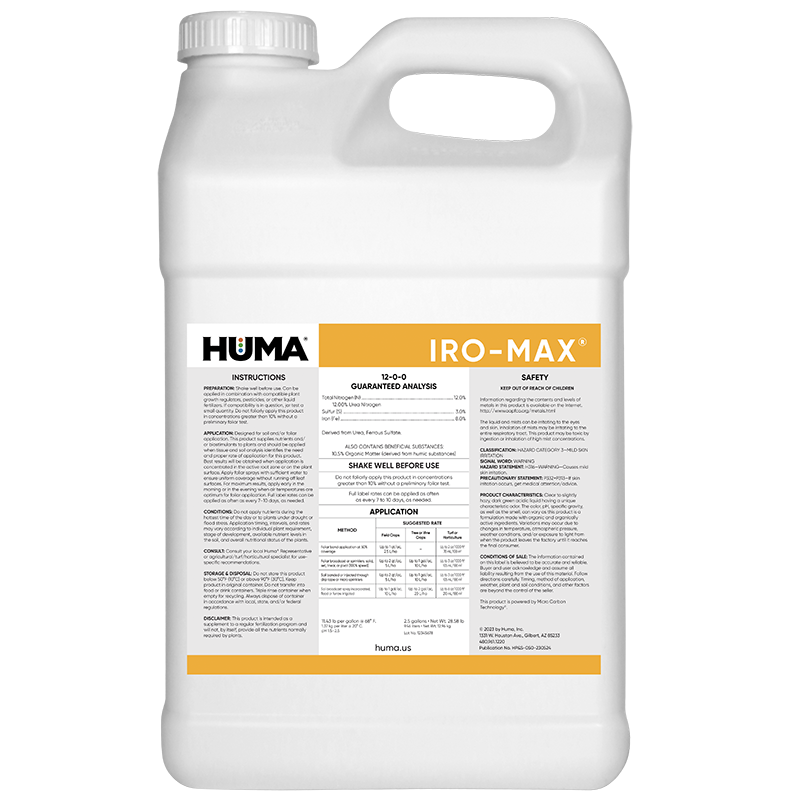
Benefits of Use:
- Iron is required by plants for the formation of chlorophyll.
- Iron is a component of enzymes that activate other biochemical processes within plants such as respiration, symbiotic nitrogen fixation, and energy transfer.
- IRO-MAX® relieves chlorotic symptoms of iron-deficient plants.
Deficiency Symptoms—When to Apply:
- Plants develop severe chlorosis, or a yellowing or “bleaching” of leaf tissue with veins remaining green
- Severe iron deficiencies result in stunted growth
- In grain crops, leaves will show chlorotic or yellow striping
- High pH, excess bicarbonate, calcium, magnesium, and/or phosphate
- High levels of nitrate, over-irrigation or poor drainage, poor aeration, plant viruses, root pruning, or nematode damage
- Deficiencies of potassium and calcium
FAQs
Related Videos
Huma® Micronutrients and Secondary Macronutrients
Huma liquid micronutrient and secondary macronutrient fertilizers with Micro Carbon Technology (MCT) are extremely efficient. MCT improves nutrient uptake so you can get the most out of your crops. Deliver micronutrients and secondary macronutrients exactly
Learn More
Related Case Studies
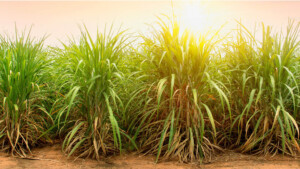
Huma® Products on Sugar Cane Result in 14x Less P and 32x Less K Required, Plus Increased Yield and Net Return
Background Humates and plant growth stimulators can positively influence a crop such as sugar cane to produce a higher yield. Objective The focus of this study was to observe how fall application of Huma® products Fertil Soil®, a source of soil nutrients and humates, and Breakout®, which stimulates growth, would affect sugar cane production. The

Huma® Fertil Soil® Increases Corn Yield With 260% ROI
Background Application of Fertil Soil® to soils in combination with other Huma® fertilizers at various locations previously resulted in crops with improved plant growth and higher yields. Applying Fertil Soil® with grower standard products or as a single product application to soil and leaves could also impact results. Objective The focus of this study was
PROUD 3 Fungicide Replacement
Background Huma® fungicide programs with Micro Carbon Technology® provide growers with effective options that can replace synthetic fungicides with a more sustainable and environmentally friendly approach, while providing excellent control and improving crop health, yield and quality. Objective The focus of this study was to assess if 2 of Huma’s products CROP-GARD® (Growth Manager) and


Related Blog Posts

This Week in Ag #16
If the TV show MythBusters ever did a program on farming, there are several common myths about farmers they could bust.

The President Who Planted the Future
Before he led a nation, Abraham Lincoln worked the land. This week, we look back at how a farm kid’s firsthand understanding of agriculture helped shape policies, institutions and opportunities that still influence American farming today.
What Differentiates Humic and Fulvic Acids?
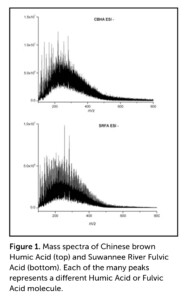
By Richard Lamar, PhDDirector of Humic ResearchBio Huma Netics, Inc. For centuries, humic acids (HA) were thought to be composed of much larger molecules than those found in fulvic acids (FA). However, the application of Fourier-transform ion cyclotron resonance mass spectrometry (FT-ICR MS), which separates molecules on the basis of molecular weight, demonstrates that the
Related Products
FULVI PRO
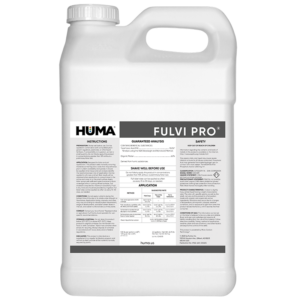
FULVI PRO®, carbon-complexed with Micro Carbon Technology®, is an activated liquid fulvic acid source derived from highly oxidized humic substances....
OM GREENS
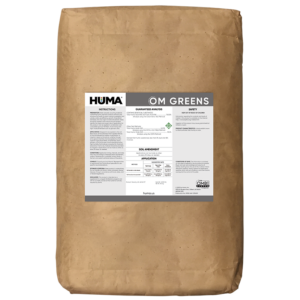
Huma's OM GREENS is a natural humic and fulvic acid product processed from naturally occurring, oxidized humic substances. It provides a...

PROUD 4
PROUD 4® is an OMRI-Listed® crop protection product. It is a broad-spectrum insecticide, nematicide, miticide, and fungicide with on-contact and...