
FAQs
Related Case Studies

Bio Energizer® Reduces Sludge 45% In One Year, Saves Municipal Plant $6 M In Dredging Costs
Summary In this study, a one-year bioremediation plan featuring Bio Energizer® was implemented for a municipal wastewater treatment facility with 2 primary lagoons in which sludge depths had reached 5–7 feet. The lagoons were at risk of upset and wastewater processing capacity was reduced. Sludge levels were measured at baseline and quarterly. Sludge depth was
Lagoon Study Shows Sludge Layer Biologically Active and Responsive to Reduction Using Bio Energizer®
Summary In this study, a one-year bioremediation plan was implemented for a municipal wastewater treatment facility with 2 primary lagoons that were at risk of upset and in which wastewater processing capacity was reduced due to an increased sludge layer. Specific changes in strata microbial life were tracked through ATP and DNA analysis at quarterly
Bio Energizer® Reduces Costs and Turbidity in Paperboard Lagoons at Kentucky Papermill Wastewater Facility
Problem A paper mill wastewater facility was treating 940 tons of paper bags, recycled linerboard, and corrugating medium, daily. The mill was interested in improving wastewater operating efficiency and lowering operating expenses over their standard polymer usage. The plant was experiencing filamentous bacteria, solids, and bulking issues in the final clarifier. It was discharging 4,000
Related Blog Posts

Anaerobic Digester Saves 42% In Sludge Hauling
by Heather Jennings, PE The case summary described below is an example of how our Bio Energizer® product helped reduce overall solids handling and improved supernatant clarity. It really doesn’t take much Bio Energizer® to reduce solids within your system when the microbial community is stimulated or “kicked into gear” to do their job. Typically,
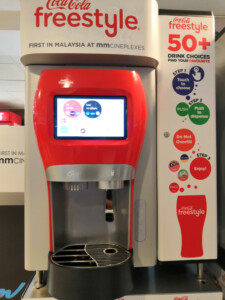
Bargaining for Clean Water: Why Dean Kamen Invented the Coca-Cola Freestyle
By Jael Batty When Kamen asked Coke for help distributing his water purifier, Coke challenged Kamen to develop a better soda fountain first. Dean Kamen, Inventor of Medical Technology The inventor of the Segway, Dean Kamen is known in the scientific community for developing medical equipment. His inventions include a wearable prescription pump for insulin

Webinar Video: Lagoons Under the Surface
Webinar video highlights key findings—including $6M in savings—from a year-long bioremediation program for lagoon sludge reduction at a municipal wastewater treatment plant. In this 31-minute video, Heather Jennings, PE, Director of Probiotic Solutions®, and Diego Lopez, Chief Plant Operator for the City of Lemoore, Calif., Wastewater Treatment Plant discuss highlights from the year-long study of
Related Products
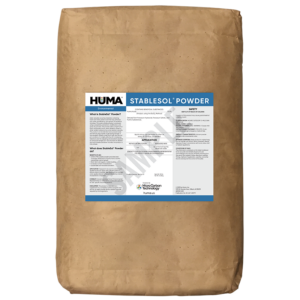
STABLESOL POWDER (HE)
STABLESOL® POWDER is a water soluble powder produced using a proprietary extraction, modification, and spray dry process. This process yields a...
MICROPLEX JS
Huma's MICROPLEX® JS is a two-part formulation of a live synergistic blend of natural, Class I bacteria, specifically chosen for their...
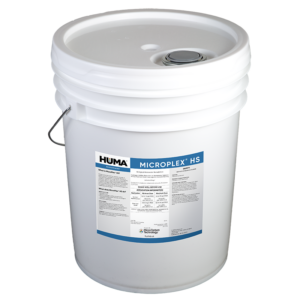
MICROPLEX HS
Huma® MicroPlex® HS is a liquid suspension (with an activator packet) of preselected and adapted anaerobes designed to improve biodegradation under anoxic...