
FAQs
Related Videos
Related Case Studies

Bio Energizer® Toxicity Testing
Abstract Bio Energizer® is frequently used to facilitate bioremediation of wastewater. A study was conducted by an independent laboratory to measure possible negative effects Bio Energizer® might have on a freshwater test species (rainbow trout). Using EPA-approved methodology to evaluate Bio Energizer®, the lab administered the product at 10 ppm to a test tank and
Bio Energizer® Reduces Sludge at Small Municipal Facility
Problem A small town in Utah (pop. 1,800) had a municipal wastewater system with a flow rate of 192,000 gallons per day. The system included a series of four lagoons that tapered to a depth of 6 feet, although at this time only Ponds 1 and 2 were being evaluated for treatment as they were
Bio Genesis® Reduces Foam and Increases Stability at Idaho Municipal Wastewater Treatment Facility
Problem A municipal wastewater treatment facility in Idaho uses a small, activated sludge system to treat 35,000 gallons per day (gpd); waste activated sludge (WAS) is removed from the system approximately every 2 to 3 weeks. The system frequently experienced intermittent foaming and settling issues, as well as seasonal impact from grease relating to the
Related Blog Posts

Video: BHN Company Values
In this 4-minute video, BHN President/CEO Lyndon Smith speaks with us about BHN’s Company Values—Integrity, Win-Win-Win, Proactive Innovation, Relentless Pursuit of Excellence—and their impact on how we conduct business, treat our customers, and benefit the world.
Let’s Talk Nutrients for a Minute
by Heather Jennings, PE Generally, in the wastewater industry we talk about 100 mg/L BOD to 5 mg/L Nitrogen to 1 mg/L Phosphorus. The values for nitrogen and phosphorus can be higher or lower than this, but it’s the average number that many wastewater system designs are built around. If you look a little further,

BHN Remains Open for Business
At this time, though we have reduced all nonessential staff travel/interaction and are not accepting visitors, Bio Huma Netics remains open for business and is processing all orders. In anticipation of the possibility that we may have to suspend production at some future time to protect the health of our staff, we encourage our customers
Related Products
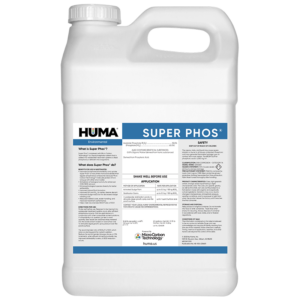
Super Phos (HE)
Huma® Super Phos®, complexed with Micro Carbon Technology®, is a liquid phosphate nutrient that is added into wastewater treatment systems to...
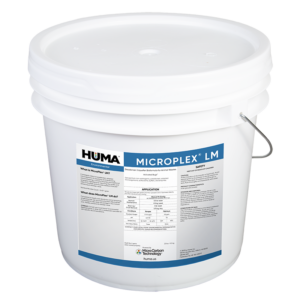
MICROPLEX LM
Huma's MICROPLEX® LM is a synergistic blend of preselected, adapted microorganisms for liquefying and deodorizing animal droppings. MICROPLEX LM contains enzymes and...
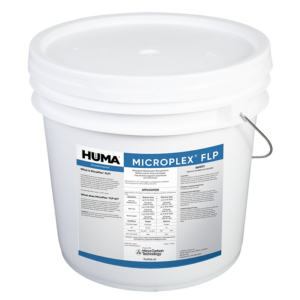
MICROPLEX FLP
Huma's MICROPLEX® FLP is a synergistic blend of preselected, adapted microorganisms and enzymes for use in facultative lagoons and ponds receiving municipal,...