FAQs
Related Case Studies

Bio Energizer® Reduces Sludge at Small N.M. Municipal Facility
Problem A small town in New Mexico (pop. 1,300) had a municipal wastewater system with a flow rate of 50,000 gallons per day. The system included a series of three lagoons that tapered to a depth of 13 feet. Pond 1 had an average sludge depth of 1.9 feet, Pond 2 averaged 3.5 feet, and
Bio Genesis® Reduces Foam and Increases Stability at Arizona Municipal Wastewater Treatment Facility
Problem A municipal wastewater treatment facility in Arizona uses an activated sludge system with 4 oxidation ditches to treat approximately 9 million gallons per day. The system frequently experiences intermittent foaming and settling issues. The operator was looking for a solution to the foaming and settling issues that would also provide operational stability throughout the
Bio Genesis® Reduces Foam and Increases Stability at Idaho Municipal Wastewater Treatment Facility
Problem A municipal wastewater treatment facility in Idaho uses a small, activated sludge system to treat 35,000 gallons per day (gpd); waste activated sludge (WAS) is removed from the system approximately every 2 to 3 weeks. The system frequently experienced intermittent foaming and settling issues, as well as seasonal impact from grease relating to the
Related Blog Posts

Industrial Wastewater Treatment for Corn Processing Plant
Plant Manaer Geraldo O.: "It's the silver bullet we've been looking for all along." Plant Operator Steve W.: "We tried everything to solve the (odor) problem....We've been tickled to death with the product." Plant Operator Ken R.: "It definitely works. Bio Energizer allows us to function more efficiently."

Ducks Walking on Water?
by Heather Jennings, PE Bio Energizer® Reduces Sludge Over 40% at Utah Municipal WTP The case study described below was a project that I worked on with a small-lagoon municipal system so overwhelmed with solids that state action was being taken. The ducks on the other side of the lagoon from me literally looked as
EARTH DAY 2020: Celebrating 50 Years
Fifty years ago today, on April 22, 1970, 20 million Americans took to the streets to protest environmental destruction and to celebrate the wonders of Planet Earth. The basic message was that we had to find new ways to live our lives, raise our food, and conduct our businesses that were environmentally friendly and sustainable—that
Related Products
Nutriplex®
Huma® Nutriplex® is a scientific formulation of nutrients based in and delivered by Micro Carbon Technology®. Nutriplex® is a multi-nutrient product...
MICROPLEX FOG
Huma's MICROPLEX® FOG is a synergistic blend of preselected microorganisms for use in sewer systems, lift stations, and biological wastewater treatment plants...
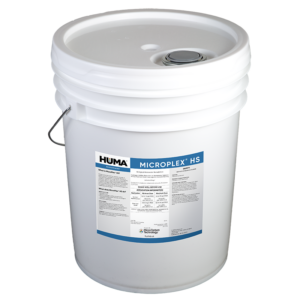
MICROPLEX HS
Huma® MicroPlex® HS is a liquid suspension (with an activator packet) of preselected and adapted anaerobes designed to improve biodegradation under anoxic...