
Encapsalt® (HE)
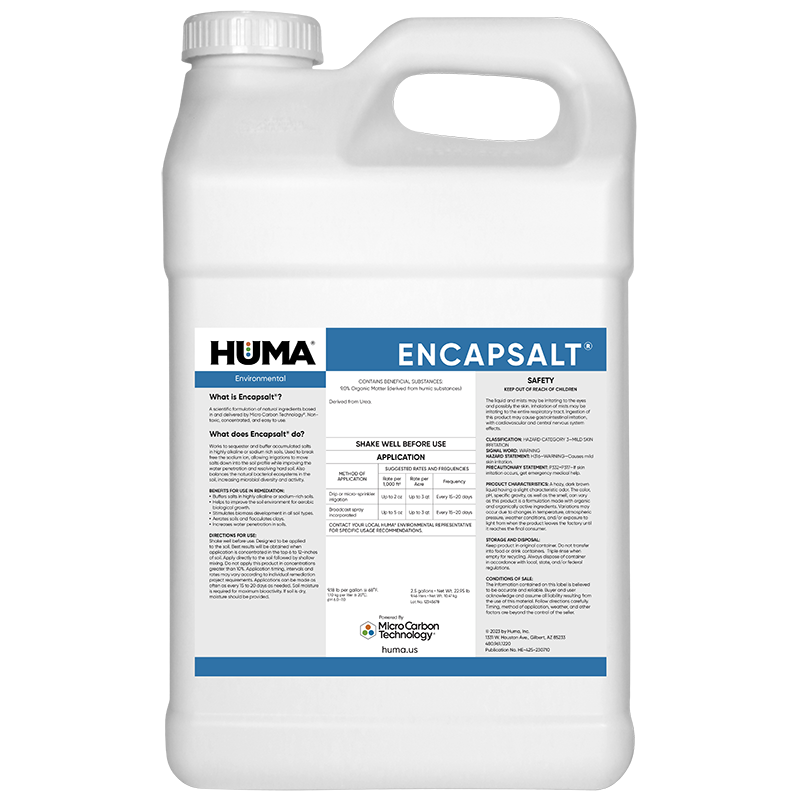
Benefits of Use:
- Buffers salts in highly alkaline or sodium-rich soils
- Helps to improve the soil environment for aerobic biological growth
- Stimulates biomass development in all soil types
- Aerates soils and flocculates clays
- Increases water penetration in soils
Treats the Following Problems:
- Salt damage in soil
- Anaerobic soil conditions
- Low soil organic matter
- Poor water penetration
FAQs
Related Case Studies

Bio Energizer® Reduces Sludge at Small N.M. Municipal Facility
Problem A small town in New Mexico (pop. 1,300) had a municipal wastewater system with a flow rate of 50,000 gallons per day. The system included a series of three lagoons that tapered to a depth of 13 feet. Pond 1 had an average sludge depth of 1.9 feet, Pond 2 averaged 3.5 feet, and
Bio Energizer® Toxicity Testing
Abstract Bio Energizer® is frequently used to facilitate bioremediation of wastewater. A study was conducted by an independent laboratory to measure possible negative effects Bio Energizer® might have on a freshwater test species (rainbow trout). Using EPA-approved methodology to evaluate Bio Energizer®, the lab administered the product at 10 ppm to a test tank and
Bio Energizer® Reduces Sludge at Small Municipal Facility
Problem A small town in Utah (pop. 1,800) had a municipal wastewater system with a flow rate of 192,000 gallons per day. The system included a series of four lagoons that tapered to a depth of 6 feet, although at this time only Ponds 1 and 2 were being evaluated for treatment as they were
Related Blog Posts

Video: BHN Company Values
In this 4-minute video, BHN President/CEO Lyndon Smith speaks with us about BHN’s Company Values—Integrity, Win-Win-Win, Proactive Innovation, Relentless Pursuit of Excellence—and their impact on how we conduct business, treat our customers, and benefit the world.
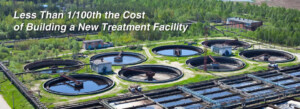
Reduce the Need for New Treatment Plants
Try our Probiotic Solutions® products before considering building a new treatment plant. Probiotic Solutions® products are used successfully in wastewater treatment systems to improve water quality and reduce operating costs.

Welcome to Huma®: Humic Solutions with a Human Touch
I am extremely proud to officially unveil our company’s new branding and name. We are now Huma®– a 50-year-old legacy ready to be reintroduced to the world! It is a strategic decision to shorten our name from Bio Huma Netics® (BHN) to Huma® and we are confident that this progressive move is in our company
Related Products
Nutriplex®
Huma® Nutriplex® is a scientific formulation of nutrients based in and delivered by Micro Carbon Technology®. Nutriplex® is a multi-nutrient product...
Bio Dredge
Huma® Bio-Dredge®, complexed with Micro Carbon Technology® (MCT), is a probiotic formulation of organic acids, natural biological systems, buffers, nutrients, and energy...
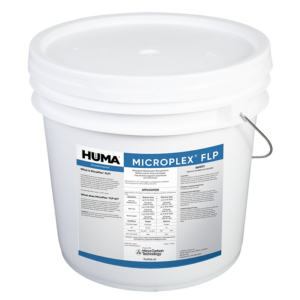
MICROPLEX FLP
Huma's MICROPLEX® FLP is a synergistic blend of preselected, adapted microorganisms and enzymes for use in facultative lagoons and ponds receiving municipal,...