
COPPER
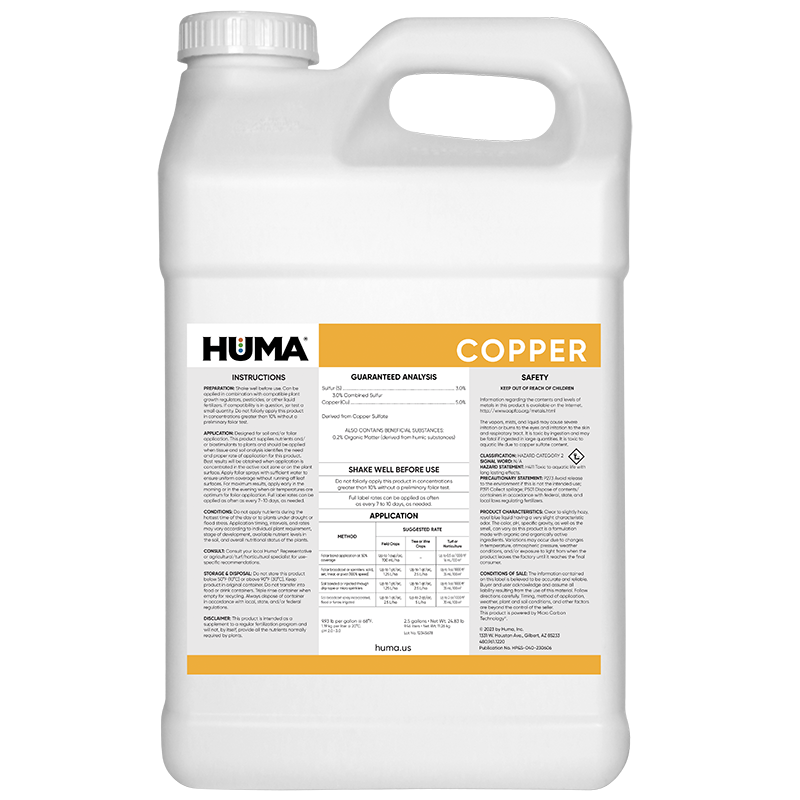
Benefits of Use:
- Increases enzyme activity in the metabolism of plant
- Has a regulatory effect when soil nitrogen is high
- Has a role in the production of Vitamin A within the plant and funtions in chlorophyll formation
- May be used with sulfur to improve plant tolerance of environmetal stresses
Deficiency Symptoms—When to Apply:
- Young leaves become wilted, chlorotic, and twisted, followed by withering and dying
- Plants show a half-dwarfing effect with an inward rolling of leaves that develop a blue-green appearance
FAQs
Related Products

BORO-PRO
Huma's BORO-PRO® is carbon-complexed with Micro Carbon Technology®, ensures efficient and effective uptake of boron, which is required for cell...

X-TEND B
X-TEND® B is a concentrated Micro Carbon Technology® product with high levels of organic acids and nutrients. This product is...
MAX PAK
MAX PAK® is a liquid micronutrient formulation containing a carbon complexed, highly stable source of many important micronutrients. MAX PAK...
Related Case Studies

Huma® Promax® for Strawberries: A Replacement for Standard Fumigation, Nematicides, and Fungicides
Introduction A field trial to test efficacy of Huma® Promax® as a cropprotection product for strawberries (Fragaria sp.) was applied in a location known to have spring disease problems with either Fusarium or Macrophomina pathogenic fungi. This report is based on a field trial with strawberries conducted by Holden Agricultural Research and Consulting submitted on
X-TEND Increases Soybean Yields
Background Huma’s X-TEND® has been applied to dry fertilizer and liquid blends to improve fertilizer effectiveness and to decrease nutrient losses. X-TEND may also be utilized to treat the soil and the plants directly to improve nutrient use efficiency, and act as a biostimulant to improve plant growth, and ultimately look at an increase in
Huma® Zap® Increases Cotton Lint Yield by 125.8 lb/A, With 67% ROI
Background Application of Zap® to soils in combination with other Huma® fertilizers at various locations previously resulted in crops with improved plant growth and higher yields. Applying Zap® with grower standard products or as a single product application to soil and plants could also impact results. Objective The focus of this study was to observe





Related Blog Posts
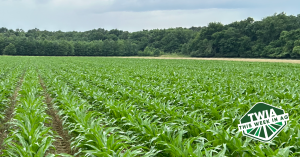
This Week in Ag #68
How many kernel rows, or rounds, will an ear of corn have? That’s being determined right now in my cornfield. My corn has hit the critical V6 growth stage (in just 31 days, no less). Next to emergence and pollination, V6 is one of the most significant times of the plant’s life. This is when the

Video: Earth Day, 2022
On April 22, let's celebrate by doing something good for Planet Earth. There are enormous environmental challenges ahead, but also great opportunities.

First Commercial Field Trial of Fertilgold® Organics Product Application
In this first trial application of Fertilgold® Organics products on organic white corn, the grower was asked to evaluate the ease of use and the effectiveness of 4 new OMRI-Listed liquid Fertilgold® Organics crop nutrition products based on known field deficiencies. Two 80-acre plots of organic white corn in eastern Nebraska were at the tassel