
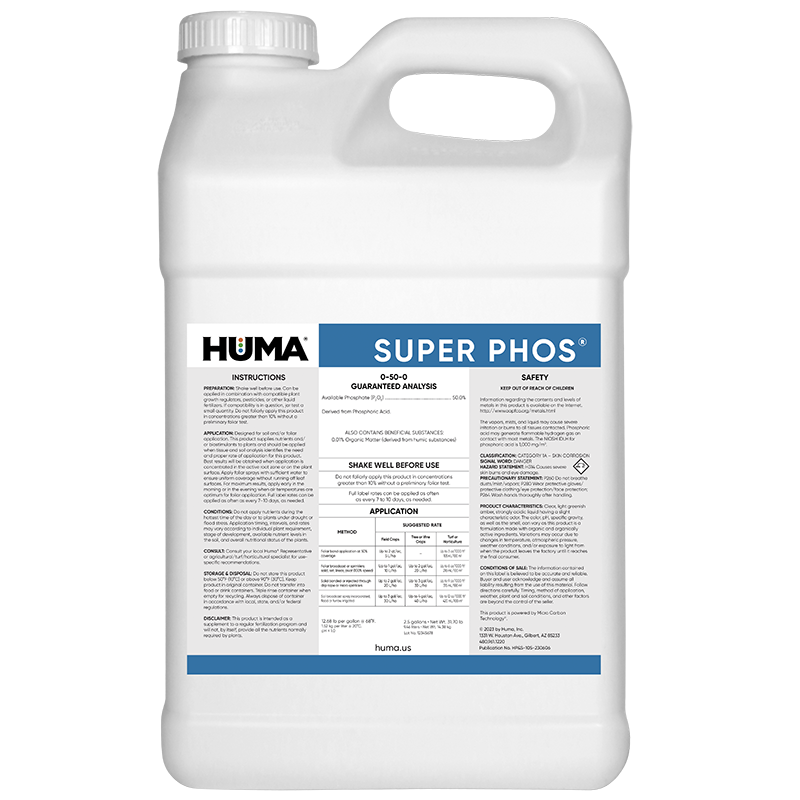
SUPER PHOS
Benefits of Use:
- Resists “tie-up” with calcium or aluminum to remain water soluble and available to plant roots
- Moves with irrigation water to aid in proper placement
- Can be tank-mixed to improve availability of other phosphorus solutions
- Is non-salt-forming
- Aids in phosphorus uptake in cold or waterlogged soils
- Is useful in the cleaning and maintenance of drip irrigation systems
- Aids in phosphorus uptake in high pH or calcareous soils
Deficiency Symptoms-When to Apply:
- Slow growth; stunted plants
- Purplish coloration on foliage of some plants (older leaves first)
- Dark green coloration with tips of leaves dying
- Poor grain, fruit, or seed development
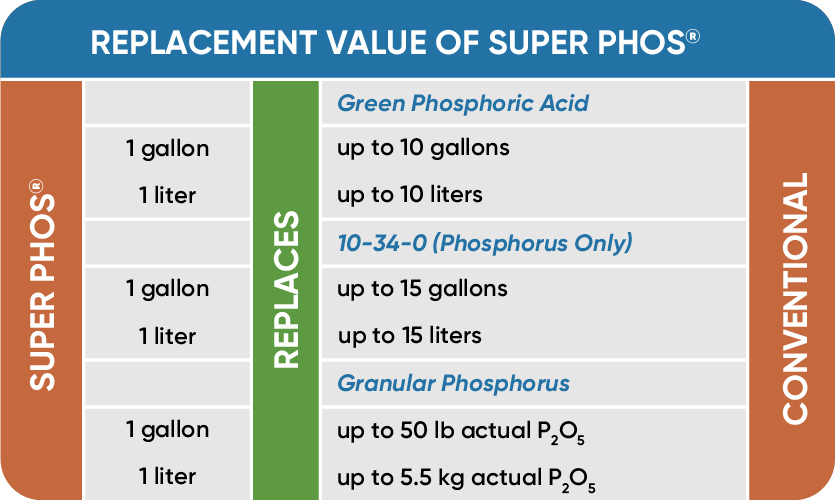
Click here to see how much Super Phos can save you!
FAQs
Related Videos
Super Phos® + Calcium Mixing Stability Test
In this video, we demonstrate the unique compatibility of our highly concentrated Super Phos® 0-50-0 product when mixed with calcium. In traditional fertilizers, when phosphorus and calcium are mixed they can precipitate and fall
Learn More
Huma Super Phos
Huma® Super Phos®, carbon-complexed with Micro Carbon Technology®, can be foliar-applied, according to label directions, without the risk of phytotoxicity.
Learn More
Related Case Studies

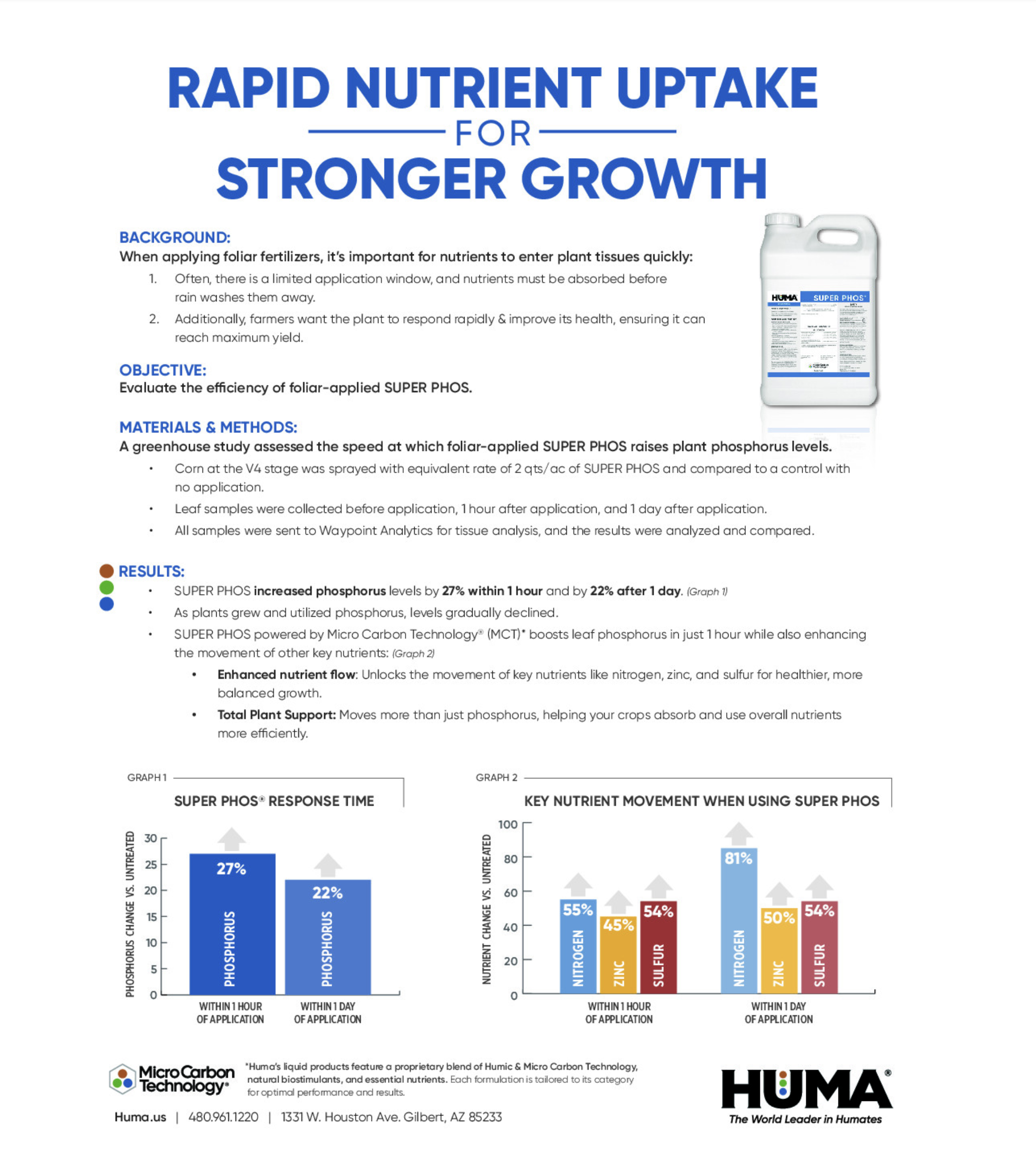
Huma Liquid Products on Nebraska Corn
Background: Huma's Micro Carbon Technology based products (Fertil Soil®, Super Phos®, and Vitol®) have been shown to improve germination, plant health and vigor, increase phosphorus availability, and improve farming sustainability and regeneratively. Objectives: The aim of this study was to assess the effect of feeding the soil, roots, and the plant itself with Fertil Soil®,

Huma® Improves Alfalfa Quality In the Southwest
Background All Huma® Inc. products are based on extractions of humic substances and other materials that can stimulate plant growth and improve crop quality. Objective The objective of this field trial was to evaluate the efficacy of applying Huma® products, specifically Encapsalt®, Super Phos®, Max Pak®, 44 Mag,® Vitol®, Super Nitro®, Breakout®, Fertil Soil®, Iro-Max®,
Huma® Improves Alfalfa Soil Biology In the Southwest
Background Industrial agriculture can degrade soil quality for crops by altering the total living microbial biomass of soil. Many practices and beneficial ag products have been introduced to the market to improve soil quality. Some of these products are humic substance-based products. Objective The objective of this trial was to evaluate the efficacy of applying

Related Blog Posts

Save 25% on Phosphorus Fertilizer with Huma SUPER PHOS®
Phosphorus fertilizer prices are at record highs, but Huma Super Phos® offers a smarter solution. With Micro Carbon Technology®, Super Phos® delivers higher nutrient efficiency while saving growers up to 25% per pound of P₂O₅ compared to DAP or MAP.
Beating High Phosphorus Prices
Phosphorus prices for 2026 are painful, but cutting fertilizer rates isn’t the only option. By switching to more efficient sources like SUPER PHOS and unlocking tied-up nutrients with K-HUME, growers can stretch their phosphorus dollars while still pushing for top-end yields.

Evaluation of Micro-Carbon Technology-Based P Fertilizer, SUPER PHOS®, in Spring Wheat
Related Products

OM CALCIUM
Carbon-complexed with Micro Carbon Technology® (MCT), OMRI-Listed® OM CALCIUM is an organic nitrogen-free calcium nutrient. Calcium is a required nutrient...
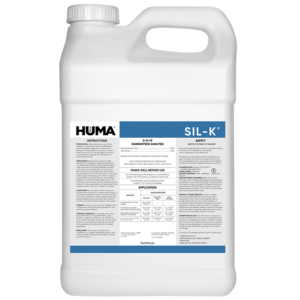
SIL-K
SIL-K®, carbon-complexed with Micro Carbon Technology®, provides the potassium and silica essential in all crops for stronger fruit holding and...
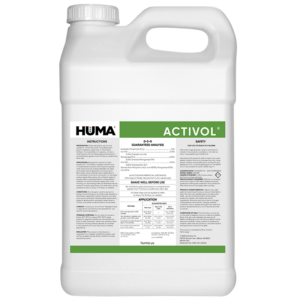
ACTIVOL
ACTIVOL®, carbon-complexed with Micro Carbon Technology®, is a concentrated formulation of nutrients and refined plant oils that increases plant tolerance...