
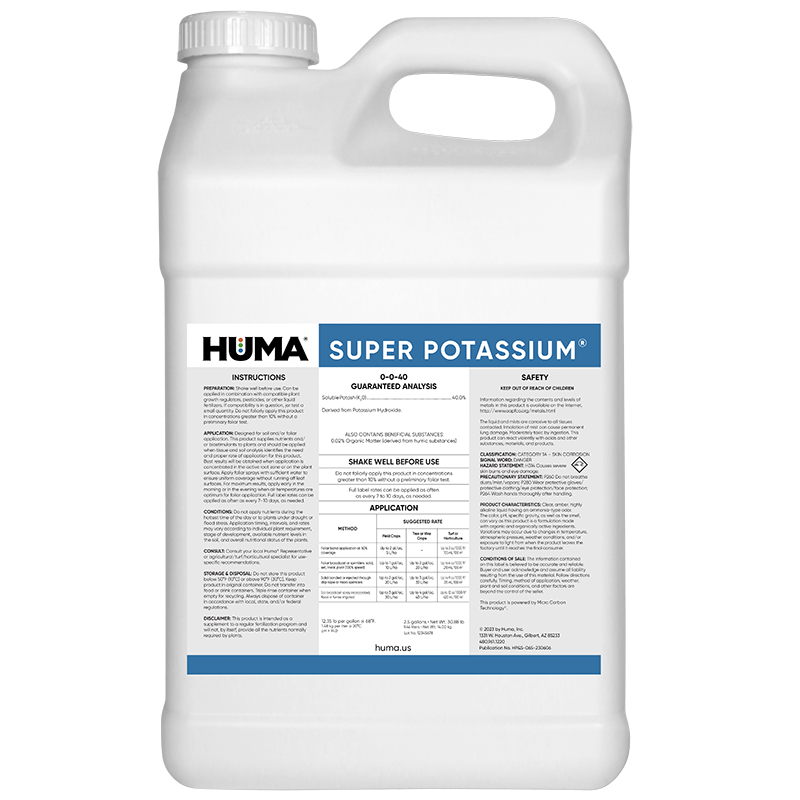
SUPER POTASSIUM
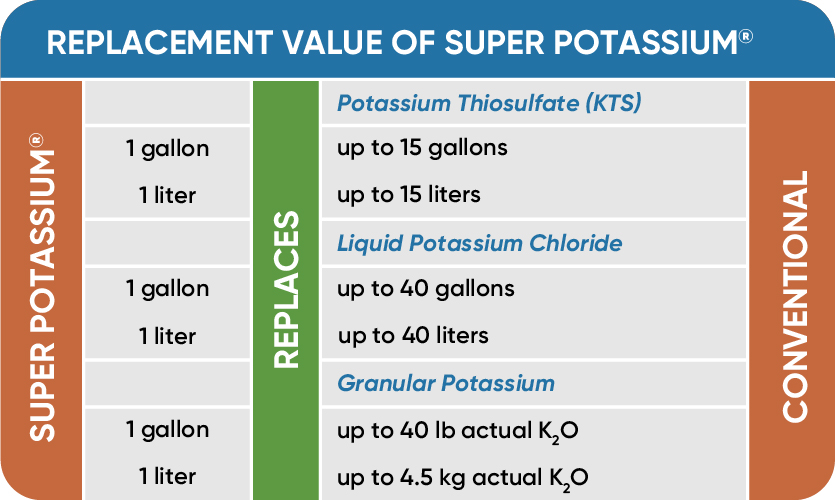
Benefits of Use:
- Resists tie-up in the soil and remains available through the plant root system
- Provides quick crop response and can be applied just prior to actual crop need
- Can be tank-mixed to improve availability of other potassium solutions
- Is non-salt-forming and does not contain chloride
- Aids in potassium uptake in heavy clay, compacted, or high-salinity soils
- Can be mixed with nitrogen solutions for easy application
- Is completely water soluble and can be water incorporated
Deficiency Symptoms—When to Apply:
- Tip and marginal “burn” starting on more mature leaves
- Weak stalks: plants lodge easily
- Small fruit or shriveled seeds
- Slow growth
FAQs
Related Videos
Mixing Liquid Humic Acid with Agrochemicals
This video demonstrates how to mix liquid humic acids, such as Huma Pro® 16, with liquid fertilizers without creating precipitation that can gum up spray or irrigation equipment.
Learn More
Super Potassium® Efficiency with Jason Felton
Watch our video on Super Potassium® Efficiency with Jason Felton
Learn More
Trials on Cotton in Turkey
Watch our video on Cotton Trials in Turkey
Learn More
Related Products
Z-MAX®
Z-MAX®, carbon-complexed with Micro Carbon Technology®, ensures efficient and effective uptake of zinc, sulfur, manganese, and copper to optimize micronutrient...
OM COBALT
Carbon-complexed with Micro Carbon Technology®, OMRI-Listed® OM COBALT is an organic cobalt nutrient derived from cobalt sulfate (Co 5.0%, with...
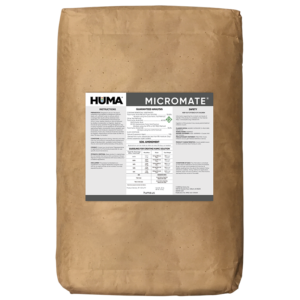
MICROMATE
Huma's MICROMATE® is the result of a revolutionary new micronizing technology and is designed for suspension in a liquid to deliver...
Related Case Studies
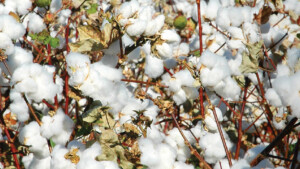
Super Potassium on Cotton
Background: Farmers who try to supply K2O needs on the farm don’t have too many options to get K into the plant, especially in deficient soils. A typical application is KCl which contains an excess amount of Chloride which may not be beneficial to the plant and soil microbes. Huma’s Micro Carbon Technology® based Super

Huma® and Zia Pueblo Farm Corn Project
Background Many small-scale farms (1-2 acres each) are established in Zia Pueblo community near San Ysidro, New Mexico. Huma® Inc. was asked to establish an experimental farm in the tribal community that could demonstrate the usage of beneficial agricultural inputs producing high-yield crop and preserving the health of the soil. Huma® humic-based products stimulate plant
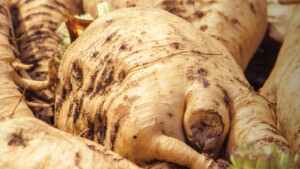
Recoverable Sugar of Sugar Beets Yield Increased Using Huma® Program, Year 2
Objective This field trial was conducted to observe effectiveness of additional preharvest applications of Huma® products on recoverable sugar of sugar beets and return on investment. Materials & Methods This trial on sugar beet (Beta vulgais vulg. altissima) was conducted in Homedale, Idaho. The crop was seeded on April 18 and was harvested on October
Related Blog Posts

It All Has to Start With The Soil
The Soil Health Institute has released a 60-minute documentary, Living Soil, that captures the history — and significance — of the soil health movement. Our soils support 95 percent of all food production, and by 2060, our soils will be asked to give us as much food as we have consumed in the last 500

Cherry Blossoms: A Sight to See
Cherry Blossoms: A Sight to See! Konnichiwa! This Week in Ag comes to you this week from Japan. I’m here for my son’s wedding. My new daughter chose this time of year to align with the famous blooming of the cherry blossoms. These Sakura trees provide amazing backdrops for wedding photos. You may have heard about Japan’s cherry blossoms and perhaps seen pictures online or on travel shows. But let me be clear: these do not do the flowers justice. The sights are awe-inspiring. Gardens, parks, temples, river banks and streets lined with Sakura trees provide spectacularly scenic backdrops. Pedals blow in the wind like gentle snowfall. A unique feature of some Sakura trees is their ability to bloom before leaves emerge, which further emphasizes the flowers.

Earth Day: “It’s Getting Better All the Time”
Celebrating Earth Day every April 22 is a great time to pause and reflect: How are we, today, treating the environment and the plants, animals, and people who live in it? What have we accomplished in the past year that makes our planet a better, more sustainable place to live and raise our families? What are our goals for future improvement?