
COMOL
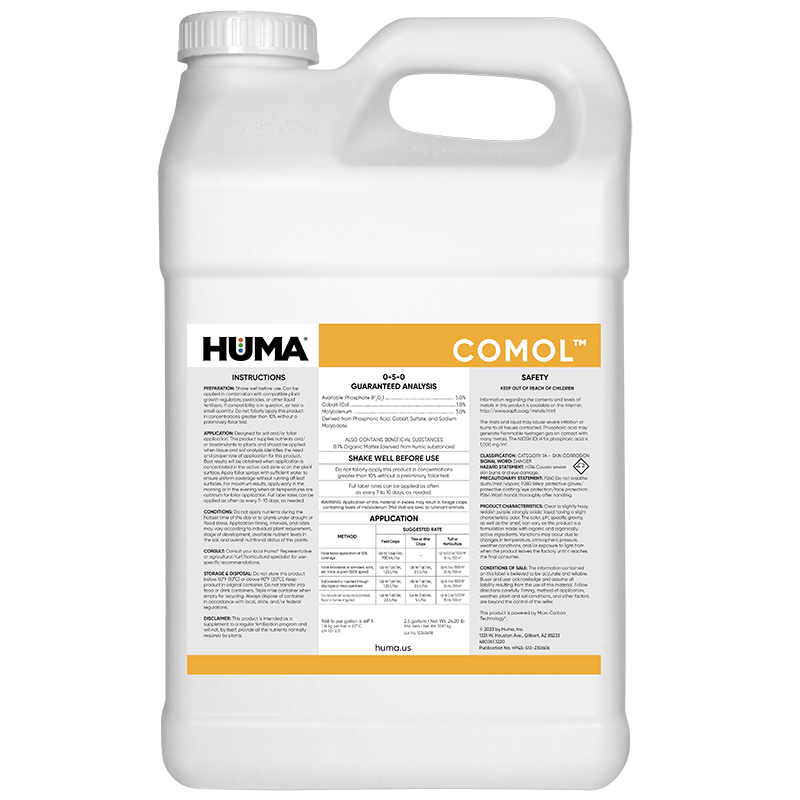
Benefits of Use:
- May be applied with Huma® Vitol® for a foliar nutrient balance for most crops to overcome stresses caused by severe weather or herbicide and pesticide residues
- Produces coenzymes necessary to convert nitrogen to amino acids for protein synthesis
- Stimulates natural production of enzymes that are required in ascorbic acid synthesis
- Buffers excessive ethylene concentrations in plant tissue
- Essential for nitrogen fixation in legumes (nitrogenase)
Deficiency Symptoms—When to Apply:
- In young plants, stunted growth or yellowish green leaves; in older leaves, light green followed by yellowing, drying, or shedding; often with abundant anthocyanins in the veins; chlorosis of entire leaf
- Shoots short, thin, growth upright and spindly, flowering reduced
- Premature fruit drop of crop; slow fruit development, smaller fruit size or not sufficiently colored
- Poor root system
- Plant stress from weather or chemical residues
- Limited nodule-forming bacteria in legumes
FAQs
Related Case Studies

Huma® X-Tend® Increases Cotton Yield With 295% ROI
Background X-Tend® mixed with other fertilizers applied to specific crops has enhanced results with improved plant growth and higher yields. Combining X-Tend® with grower standard products applied to soil and when applied as a single product foliar application could also impact results. Objective The focus of this study was to observe if X-Tend® as a yield enhancing

Huma® Nutrient and Fumigation Replacement Program Increases Strawberry Yields
Objective This field trial assessed the effects on strawberry yields of replacing field fumigation with periodic applications of Huma® Promax® and Zap® and replacing a grower’s standard fertilizer program with irrigation-applied Ultra-Precision™ blended liquid Huma® crop nutrition products. Materials & Methods This trial was conducted in Arroyo Grande, Calif., using Portola strawberries planted in 40’

Zap® Improves Soil Biology and Soil Structure
Objective Huma® Zap® has been shown to improve crop yield and soil conditions. This research investigated some of the ways Zap improves soil characteristics such as soil biology and soil structure. Materials & Methods Two sets of soil in containers received two different solutions. The first received 120 ml of only water and the second


Related Blog Posts

This Week in Ag #73
Growing up on the farm, we’d often eat our mid-day meal (what we referred to as dinner, but most of the world now calls lunch) at my grandparents’ house, which was the farm’s home base. It was a planned break from planting, harvesting, chore work, mowing, baling hay or one of dozens of other never-ending

Microorganisms: The Living Engine of Soil—Part 2
In Part 2 of this series, we look at Plant-Microbial Interactions.

Global Fertilizer Day Is October 13
Global Fertilizer Day: Join us in celebrating the world's farmers. They have set themselves the almost impossible task of feeding more and more people while using less land and fewer resources.
Related Products
X-TEND OM
OMRI-Listed® X-TEND® OM is an excellent organic source of Micro Carbon Technology®, formulated with organic acids and nutrients to improve...
ACTIVOL
ACTIVOL®, carbon-complexed with Micro Carbon Technology®, is a concentrated formulation of nutrients and refined plant oils that increases plant tolerance...
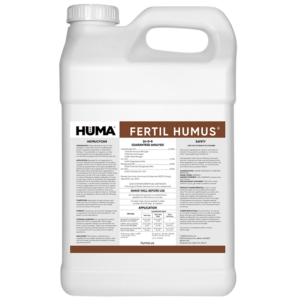
FERTIL HUMUS
FERTIL HUMUS® carbon-complexed with Micro Carbon Technology® has the nutrients necessary to feed beneficial fungal activity in the soil and...